




Introduction to Extended Family in Nigerian Culture
Definition and Composition of Extended Family
The extended family in Nigeria includes relatives beyond the immediate nuclear family.
It often involves grandparents, aunts, uncles, cousins, and close family friends.
Moreover, it represents a larger social and emotional support network.
This wide family network plays a crucial role in daily life and decision-making.
Cultural Significance of Extended Families
Extended families form the backbone of Nigerian social structure.
Traditionally, they preserve cultural values and communal traditions.
In addition, they provide identity and a sense of belonging to individuals.
Also, elders within the family hold respected positions and guide younger members.
Roles and Responsibilities Within the Extended Family
Family members share responsibilities such as caregiving and financial support.
For example, grandparents often help raise children and teach family customs.
Similarly, aunts and uncles may assist in education and career advice.
Furthermore, family members collaborate during significant events like weddings or funerals.
Influence of Extended Family on Work-Life Balance
The extended family offers practical support that eases work and home pressures.
Children’s childcare is commonly shared among relatives, easing parents’ workload.
Additionally, emotional support from family helps manage stress and mental health.
Parenting Made Just for You
Get personalized Parenting Solutions tailored to your child’s needs. Transform your parenting journey with expert guidance in 1-3 days.
Get StartedConsequently, Nigerians often rely on their extended families to maintain harmony between work and personal life.
The Significance of Extended Family Support in Childcare Responsibilities
Emotional and Practical Support from Relatives
Extended family members provide crucial emotional support to working parents.
For instance, grandparents often offer comfort and familiarity to young children.
Moreover, aunts and uncles frequently step in with practical childcare assistance.
This support reduces stress and allows parents to focus better at work.
Consequently, working parents find improved balance between professional and personal life.
Flexibility Through Shared Childcare Duties
Families benefit when childcare duties are shared among relatives.
Uncle Marcus or cousin Lila might care for children during after-school hours.
This flexibility helps parents manage unpredictable work schedules effectively.
Furthermore, shared responsibility decreases the reliance on expensive daycare services.
Therefore, families save money and gain valuable time with loved ones.
Passing Down Traditions and Values
Extended family involvement fosters cultural and familial value transmission.
Grandmother Helen often teaches children traditional recipes and stories.
Such interactions enrich children’s upbringing and provide a sense of identity.
Unveil the Perfect Name that Tells Your Family's Story
Let us help you find a name that embodies your family's values, traditions, and dreams. Our personalized consultation weaves cultural insights to create a name that's uniquely yours.
Get StartedAdditionally, these experiences strengthen bonds across generations.
Thus, childcare support from relatives benefits emotional and cultural development.
Building a Supportive Community Network
Relatives create a reliable network that supports families during crises.
When Sarah had to travel for work, her sister Naomi cared for her twins.
This network enhances resilience and reduces feelings of isolation.
As a result, parents experience greater confidence balancing work and family roles.
Ultimately, extended family support proves indispensable for sustainable work-life harmony.
How Extended Family Members Contribute to Emotional Well-Being and Stress Relief
Providing Emotional Support
Extended family members often act as a reliable source of emotional support.
For instance, Maria always lends an empathetic ear during stressful days.
Consequently, sharing concerns with them fosters emotional release and clarity.
Moreover, grandparents like Samuel offer wisdom and reassurance through their life experiences.
This support helps individuals manage challenges more effectively.
Creating a Sense of Belonging
Feeling connected to family enhances one’s overall happiness and reduces stress.
Relatives such as cousins and aunts help reinforce this sense of belonging.
Therefore, regular family gatherings provide opportunities to nurture these bonds.
As a result, individuals gain confidence in facing work-life pressures.
Additionally, knowing someone cares unconditionally builds emotional resilience.
Offering Practical Help and Shared Responsibilities
Extended family members contribute by sharing daily responsibilities and childcare.
For example, Lucy’s sister often assists with picking up her children from school.
This practical help reduces time pressure and enables better work focus.
Furthermore, family members like uncles and cousins frequently offer flexible support when needed.
Thus, these actions alleviate burdens and foster a healthier work-life balance.
Encouraging Healthy Coping Mechanisms
Family elders play a key role in teaching positive coping strategies.
Take, for example, Grandpa Henry who promotes mindfulness and patience.
Such guidance helps younger family members manage stress constructively.
Moreover, shared family activities like gardening or cooking improve mood.
Consequently, these habits contribute to long-term emotional well-being.
Building a Support Network During Crises
Extended family often mobilizes quickly during personal or professional crises.
For instance, when Emma faced job loss, her relatives provided encouragement and resources.
This immediate network relieves feelings of isolation and anxiety.
In addition, cousins and uncles offer practical advice based on diverse experiences.
Ultimately, this collective support strengthens individuals in challenging times.
Find Out More: How to Teach Kids the Value of Time Management Through Example
Role of Extended Family in Sharing Household Duties to Ease Work-Life Pressures
Support in Daily Household Tasks
The extended family plays a vital role in managing daily chores.
Grandparents often help with cooking and childcare.
Cousins and aunts contribute by assisting with cleaning or errands.
This cooperative effort reduces the burden on working parents significantly.
It creates more quality time for professional and personal commitments.
Emotional and Practical Assistance
Extended family members provide emotional support that alleviates stress.
They encourage open communication about work-life challenges.
They offer practical help during emergencies or busy periods.
For example, uncle Steven regularly picks up the children after school.
Their involvement ensures smoother daily routines and less anxiety.
Flexible Scheduling Through Shared Responsibilities
Collaborative household duties allow for more flexible daily scheduling.
Siblings might alternate cooking meals across the week.
This flexibility helps adapt family plans around unpredictable work demands.
It fosters a sense of teamwork and mutual respect among relatives.
This shared responsibility nurtures a balanced lifestyle for everyone.
Building Stronger Family Bonds
Working together on household tasks strengthens relationships within families.
Extended members develop deeper connections through shared experiences.
These bonds create a reliable support network over time.
They also pass down family traditions and valuable life skills.
Extended family involvement enhances not only balance but also unity.
Benefits for Career Growth and Personal Well-being
Reducing household pressures improves focus during work hours.
It also frees up time for self-care and relaxation.
Individuals experience less burnout and higher productivity as a result.
Employers like Horizon Tech Solutions recognize employees’ improved performance.
Extended family cooperation ultimately promotes both career and personal success.
Find Out More: How to Make Working From Home Easier for Nigerian Families
Impact of Extended Family Involvement on Parenting Quality and Child Development
Support in Parenting Responsibilities
Extended family members provide vital support in daily parenting tasks.
For instance, grandparents often share childcare duties.
This reduces parental stress significantly.
This involvement allows parents like Maria Santos to balance work and family life.
Moreover, aunts and uncles contribute by offering guidance and caregiving assistance.
As a result, parents maintain higher patience and attentiveness with their children.
Enhancement of Parenting Quality
Extended family engagement improves the overall quality of parenting practices.
They model positive behaviors and traditions.
This enriches family values effectively.
Additionally, they provide emotional support to parents.
This help allows parents to remain resilient during challenges.
For example, the Nguyen family benefits from shared wisdom among three generations.
Hence, parenting becomes more consistent and nurturing for children like Leo Nguyen.
Influence on Child Development
Children experience improved social and emotional growth through extended family interactions.
Regular contact with relatives enhances communication skills.
It also boosts children’s self-esteem.
Furthermore, exposure to diverse viewpoints fosters cognitive development.
Maya Acharya’s children exhibit increased confidence due to active family involvement.
Therefore, extended family plays a crucial role in shaping well-rounded personalities.
Creating a Supportive Environment
Extended families build a secure and stable environment for children’s upbringing.
This network offers safety nets during parental absences or emergencies.
For example, the Bennett family coordinates caregiving to ensure continuous supervision.
Such support enables children to explore and learn without fear or neglect.
Ultimately, children feel valued and understood in this broad familial context.
Benefits for Working Parents
Working parents gain essential relief through extended family involvement.
They receive help with school runs, meal preparation, and aftercare activities.
As a result, individuals like Carlos Ramirez can focus at work with peace of mind.
Moreover, flexible family support reduces childcare costs significantly.
This arrangement promotes sustainable work-life balance for many households.
Explore Further: Creating a Flexible Parenting Plan for Nigerian Parents
Challenges and Potential Conflicts Arising from Extended Family Participation
Differences in Parenting Styles and Expectations
Extended family members often have distinct approaches to parenting and caregiving.
These differences sometimes cause misunderstandings between parents and relatives.
For example, Monica’s parents prefer strict routines.
She favors a flexible schedule instead.
Consequently, tension arises when both parties try to influence childcare decisions.
Disagreements can impact the child’s environment and emotional well-being.
Therefore, setting clear communication channels early can help reduce conflicts.
Boundaries and Personal Space Challenges
Involving family members in work-life balance efforts can blur personal boundaries.
Linda often feels overwhelmed when her aunt involves herself in household matters uninvited.
Similarly, Mark’s in-laws frequently drop by without prior notice.
Such behaviors may cause stress and reduce individuals’ sense of control.
Thus, establishing firm boundaries is crucial to maintain harmony.
Clashing Opinions on Financial Contributions
Financial support from extended family can sometimes lead to disagreements.
For instance, when Michael’s parents offer to pay for childcare, tensions arise about future expectations.
Additionally, financial help might create feelings of obligation or resentment.
Without open dialogue, misunderstandings about money use can grow quickly.
Consequently, families should discuss and agree on financial roles transparently.
Impact of Traditional Roles and Cultural Differences
Extended families often have traditional views that clash with modern lifestyles.
Fatima experiences conflict when her grandparents expect her to prioritize family over career.
Likewise, cultural values may differ between generations, causing friction.
These gaps challenge balancing professional ambitions with family expectations.
Therefore, empathy and mutual respect remain vital in bridging those divides.
Managing Communication Breakdowns
Extended family involvement can sometimes result in poor communication flow.
Rachel noticed misunderstandings escalate when her uncle relayed incomplete information.
Additionally, assumptions or lack of clarity can spark unnecessary disputes.
Regular, honest conversations help avoid these communication pitfalls.
Hence, proactive efforts improve cooperation and reduce conflict risks.
Effective Approaches to Navigate Extended Family Conflicts
First, clearly define roles and responsibilities for everyone involved.
Second, encourage active listening and respectful dialogue during discussions.
Third, seek compromises that consider multiple perspectives fairly.
Finally, consult neutral mediators if conflicts persist despite best efforts.
- Maintain open communication channels.
- Set and respect personal boundaries.
- Discuss financial matters transparently.
- Address cultural differences with sensitivity.
- Establish regular family meetings or check-ins.
Uncover the Details: Why Delegating Tasks Can Help Improve Family Harmony
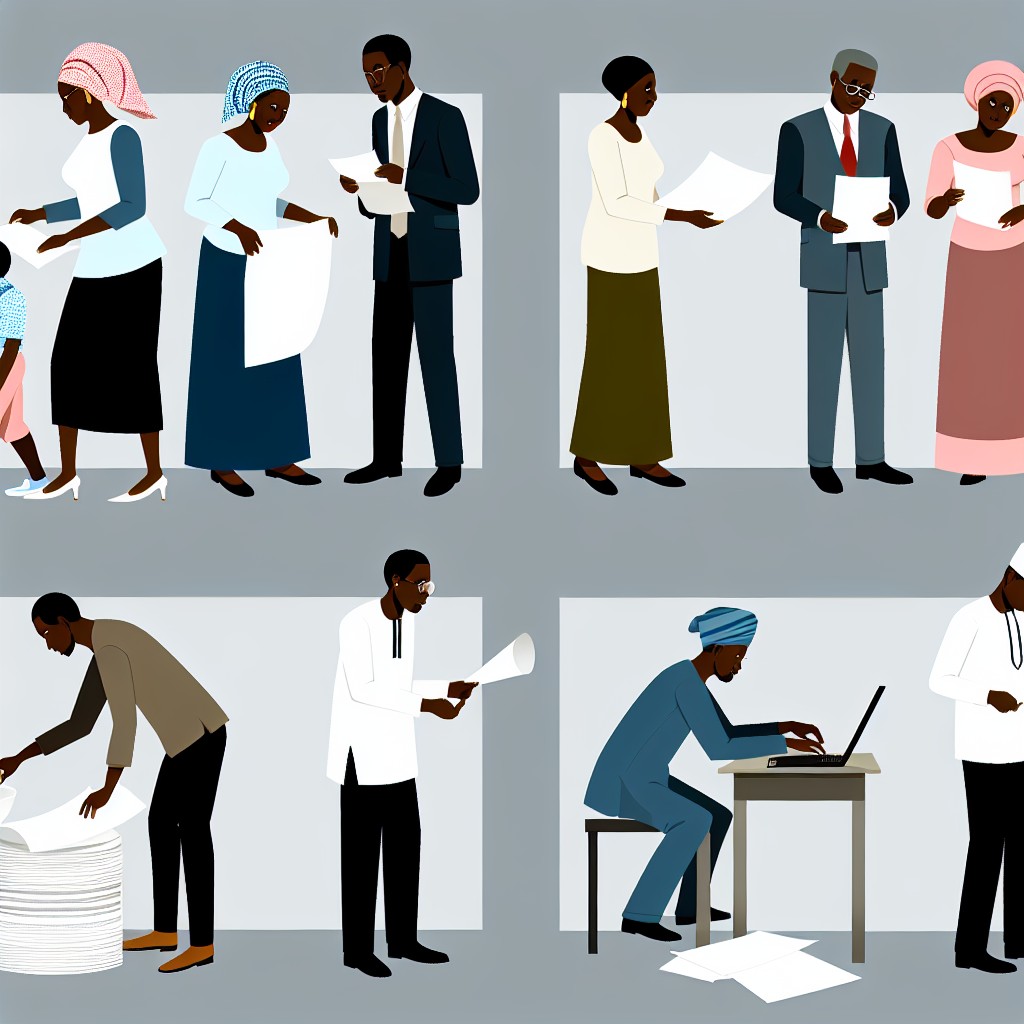
Comparative Analysis of Nuclear versus Extended Family Influence on Work-Life Balance
Definition and Structure of Family Types
A nuclear family usually consists of two parents and their children living independently.
It emphasizes privacy and self-reliance within the household.
In contrast, an extended family includes additional relatives such as grandparents, aunts, uncles, and cousins living nearby or together.
This group focuses on shared responsibilities and mutual support across generations.
Support Systems and Their Impact on Work-Life Balance
Role of Nuclear Family Support
Members of a nuclear family often handle work and home duties independently.
Consequently, balancing job demands with family care can be more challenging.
Yet, decisions tend to be quicker due to fewer voices involved.
This dynamic may increase stress levels when external support is limited.
Role of Extended Family Support
Extended families provide a broader support network for daily tasks and childcare.
For example, grandparents can help care for grandchildren, easing parents’ schedules.
Also, siblings and cousins often share household chores, distributing the workload.
This cooperation fosters a more flexible and balanced lifestyle among working members.
Emotional and Social Benefits
Emotional Stability in Nuclear Families
Nuclear families typically offer strong emotional bonds among immediate members.
However, the smaller unit might struggle during crises with limited external help.
Individuals may feel isolated when handling tough situations alone.
Therefore, emotional stress can build up, affecting work performance.
Emotional Support in Extended Families
Extended families offer diverse emotional resources through multiple relationships.
Members often provide encouragement and advice, bolstering resilience.
This network helps individuals cope better with work pressures.
Hence, extended family ties can improve overall well-being and job satisfaction.
Flexibility and Resource Sharing
Limitations Within Nuclear Families
Nuclear families usually have limited options for emergency childcare or household assistance.
Work commitments might cause conflict when support systems are absent.
Consequently, members may experience tension balancing schedules.
They must often rely on paid services, increasing financial strain.
Advantages of Extended Families
Extended families offer practical advantages like shared living expenses and pooled resources.
They allow for more flexible caregiving arrangements during work hours.
Members can step in for each other during emergencies, reducing stress.
This arrangement often leads to improved time management and productivity.
Cultural Perspectives and Societal Trends
Cultures valuing collectivism tend to prefer extended family structures.
This preference emphasizes interdependence and community support.
In contrast, individualistic societies commonly adopt nuclear families.
They prioritize autonomy but may lack wider social backing.
Nevertheless, urbanization and modern work styles influence family dynamics globally.
Companies like Meridian Tech have observed varied employee satisfaction influenced by family arrangements.
Understanding these differences helps organizations support diverse workforce needs.
Strategies for Effectively Integrating Extended Family Support Within Busy Work Schedules
Developing Clear Communication Channels
Open communication forms the foundation for involving extended family in daily routines.
Use group chats or family apps to coordinate schedules and share updates effortlessly.
Additionally, set regular check-ins with relatives to discuss upcoming needs and availability.
Clear communication helps avoid misunderstandings and ensures support is timely and effective.
Identifying Key Areas for Family Support
Pinpoint tasks where extended family can provide meaningful assistance.
These might include childcare, meal preparation, or transportation to extracurricular activities.
Moreover, encourage family members like aunts or cousins to participate in weekend errands or homework help.
Delegating these responsibilities lightens the load and promotes family bonding.
Establishing Flexible Scheduling Practices
Create adaptable schedules that accommodate both work commitments and family availability.
Use online calendars to visualize overlapping free times among relatives and yourself.
Consequently, this flexibility allows for quick adjustments when unexpected work demands arise.
It also respects everyone’s time and prevents burnout among supportive family members.
Setting Boundaries to Maintain Balance
Define clear limits on when and how family support will be integrated into your routine.
This prevents over-dependence and respects the personal boundaries of all involved.
Communicate these boundaries kindly but firmly to avoid confusion.
By doing so, you sustain healthy relationships and ensure mutual respect.
Leveraging Technology for Coordination
Use shared calendars and reminder apps to synchronize tasks with extended family members.
Video calls can facilitate face-to-face planning sessions despite physical distance.
Furthermore, digital to-do lists help track who is responsible for each task.
Technology thus streamlines coordination and reduces the mental load of managing many schedules.
Fostering a Supportive Family Environment
Encourage a culture of gratitude and recognition among family supporters.
Regularly expressing appreciation motivates continued involvement from relatives.
Host occasional family gatherings to strengthen bonds and celebrate collective efforts.
This positive environment enhances willingness and enjoyment in sharing responsibilities.
The Influence of Cultural Expectations on Extended Family Roles in Modern Nigeria
Traditional Values and Family Dynamics
Nigerian culture strongly emphasizes the importance of extended family bonds.
These connections shape social obligations and responsibilities for many individuals.
Families often rely on networks that include grandparents, aunts, uncles, and cousins.
Moreover, respect for elders and collective decision-making remain core values.
Such traditions influence caregiving, financial support, and household responsibilities.
As a result, extended family members play vital roles in daily life and work balance.
Expectations for Support and Cooperation
Extended family members usually share childcare and domestic duties in Nigerian homes.
Accordingly, working parents receive support from relatives like Ngozi, a maternal aunt.
This cooperation helps reduce stress and frees time for professional tasks.
Additionally, financial responsibilities are often pooled to assist younger family members.
For instance, elder siblings like Emeka frequently contribute to siblings’ education costs.
Consequently, these shared roles promote stability amid busy work schedules.
Changing Roles Amid Urbanization and Modern Work
Urban migration and modern jobs challenge traditional extended family roles.
People like Amina, living in Lagos, face different familial expectations than rural relatives.
Nonetheless, cultural norms still encourage mutual support despite geographic distances.
Technology helps maintain communication and coordination within extended families.
For example, mobile calls and video chats enable relatives to share advice and assistance.
Therefore, cultural values adapt while preserving family-based work-life balance support.
Balancing Cultural Duty and Individual Aspirations
Individuals sometimes struggle to meet extended family expectations alongside personal goals.
Oluwatoyin balances her career at Zenith Bank with supporting her aging parents.
She carefully manages time to fulfill cultural obligations without sacrificing work performance.
Extended family roles can create pressures but also offer emotional and practical benefits.
Effective negotiation of these duties fosters healthier work-life integration.
Thus, cultural expectations both challenge and enrich modern Nigerian family life.
Benefits of Intergenerational Knowledge Transfer Within Extended Families for Parenting
Sharing Practical Parenting Skills
Extended families pass down practical parenting skills with ease.
For instance, grandparents often share techniques for soothing and nurturing infants.
Moreover, they offer advice based on decades of personal experience.
Parents like Sarah and Michael find this guidance invaluable during early childhood stages.
Consequently, children receive consistent care approaches from multiple family members.
Preserving Cultural and Family Traditions
Intergenerational knowledge helps preserve important cultural and family traditions.
Grandparents such as Maria and Thomas teach children traditional stories and customs.
These lessons foster a strong sense of identity and belonging in young minds.
Furthermore, parents can rely on elders to maintain meaningful practices during celebrations.
This continuity strengthens family bonds and enriches children's upbringing.
Providing Emotional Support and Wisdom
Older family members impart emotional wisdom gained over many years.
Lily, a working mother, values her mother Nora's calming advice during stressful times.
Such support helps parents manage challenges with greater confidence.
Additionally, elders encourage patience and resilience in parenting decisions.
Thus, the entire family benefits from a shared emotional foundation.
Enhancing Problem-Solving Through Collective Experience
Collective experience enables extended families to solve parenting issues creatively.
When faced with toddler tantrums, for example, multiple perspectives offer diverse solutions.
James and Priya use family discussions to address behavior challenges effectively.
This collaborative approach also reduces parental stress and increases resourcefulness.
Hence, intergenerational exchange strengthens problem-solving capacities at home.
Building Reliable Childcare Networks
Extended families create dependable childcare networks for busy parents.
Relatives like aunts and uncles provide trustworthy caregiving support when needed.
Such networks afford parents flexibility in balancing work and family life.
Elena often relies on her sister Rosa to help with after-school care.
Therefore, intergenerational ties contribute directly to work-life balance success.
Additional Resources
A ‘Balanced’ Life: Work-Life Balance and Sickness Absence in Four …
Achieving a Good Work-Life Balance – The Philosophers’ Cocoon