




Importance of Balanced Nutrition During Pregnancy
Supporting Fetal Growth and Development
Balanced nutrition provides essential nutrients needed for the baby's growth.
It helps in forming healthy organs and tissues throughout the pregnancy.
Therefore, a pregnant person's diet must supply adequate vitamins and minerals.
For example, folic acid prevents neural tube defects in developing babies.
In addition, iron supports oxygen transport to both mother and child.
Maintaining Maternal Health
Proper nutrition helps sustain a pregnant individual's energy levels and wellbeing.
It reduces the risk of pregnancy complications such as anemia and gestational diabetes.
Moreover, balanced meals aid in managing healthy weight gain during pregnancy.
Calcium intake strengthens bones and teeth, preventing maternal bone loss.
Finally, hydration plays a critical role in supporting overall bodily functions.
Key Components of a Balanced Pregnancy Diet
Macronutrients
Protein supports tissue repair and growth for both mother and fetus.
Carbohydrates provide the primary energy source necessary for daily activities.
Healthy fats contribute to brain development and hormone regulation.
Micronutrients
Vitamins such as A, C, D, and those from the B-complex group are vital during pregnancy.
Minerals like iron, calcium, and zinc ensure proper fetal development and maternal health.
Parenting Made Just for You
Get personalized Parenting Solutions tailored to your child’s needs. Transform your parenting journey with expert guidance in 1-3 days.
Get StartedHydration
Drinking enough fluids helps maintain amniotic fluid levels and circulation.
Water also supports digestion and waste elimination, reducing discomfort.
Practical Tips for Eating Well During Pregnancy
- Include a variety of fruits and vegetables in every meal to boost vitamin intake.
- Choose whole grains over refined grains for added fiber and nutrients.
- Select lean proteins such as poultry, fish, beans, and nuts for muscle growth.
- Avoid high-sugar and high-fat processed foods to maintain balanced nutrition.
- Consult with a registered dietitian to personalize dietary needs and supplement guidance.
Key Nutrients Essential for Fetal Development
Importance of Folic Acid
Folic acid plays a vital role in preventing neural tube defects.
Expectant mothers should include folic acid-rich foods daily.
Leafy greens, legumes, and fortified cereals provide abundant folate.
Moreover, supplements may be recommended by healthcare providers.
Role of Iron in Pregnancy
Iron supports increased blood volume and oxygen transport.
It also helps prevent anemia in both mother and fetus.
Lean meats, beans, and spinach serve as excellent iron sources.
Besides, vitamin C enhances iron absorption when consumed together.
Calcium's Contribution to Bone Development
Calcium is crucial for the formation of the baby's bones and teeth.
Expectant mothers should ensure sufficient daily calcium intake.
Dairy products, fortified plant milks, and leafy vegetables contain calcium.
Furthermore, vitamin D assists in calcium absorption effectively.
Unveil the Perfect Name that Tells Your Family's Story
Let us help you find a name that embodies your family's values, traditions, and dreams. Our personalized consultation weaves cultural insights to create a name that's uniquely yours.
Get StartedProtein for Growth and Repair
Protein supports tissue growth and repair in the developing fetus.
It also contributes to the mother's increased blood supply needs.
Sources include lean meats, eggs, dairy, nuts, and legumes.
Additionally, protein helps regulate fluid balance during pregnancy.
Essential Fatty Acids for Brain Development
Omega-3 fatty acids contribute significantly to fetal brain formation.
They also support eye development and cognitive function.
Sources like fatty fish, flaxseeds, and walnuts provide essential fats.
Moreover, expectant mothers should monitor intake for safety and balance.
Vitamins and Minerals for Overall Health
Vitamin C strengthens the immune system and aids iron absorption.
Vitamin A supports cell growth and healthy vision development.
Zinc promotes healthy cell division and immune function.
To obtain these, consume a variety of fruits, vegetables, and whole grains.
Hydration and Nutrient Absorption
Adequate water intake supports nutrient delivery to the growing fetus.
Hydration also helps maintain the mother's increased blood volume.
Therefore, drinking water throughout the day is essential.
Limiting sugary or caffeinated beverages further ensures optimal hydration.
Role of Folic Acid in Preventing Birth Defects
Importance of Folic Acid During Pregnancy
Folic acid plays a vital role in the development of the neural tube in the fetus.
It helps prevent major birth defects of the baby’s brain and spine.
Therefore, adequate folic acid intake is essential before and during early pregnancy.
Many healthcare professionals emphasize its critical importance for all women of childbearing age.
How Folic Acid Reduces Risk of Neural Tube Defects
The neural tube forms the early brain and spinal cord in an embryo.
Folic acid helps the neural tube close properly during the first weeks of pregnancy.
Without enough folic acid, neural tube defects such as spina bifida can occur.
Thus, folic acid supports healthy fetal development and reduces defect risks significantly.
Recommended Sources of Folic Acid
Women can obtain folic acid through diet and supplements.
Leafy green vegetables like spinach and kale contain high levels of folate.
Legumes, citrus fruits, and fortified cereals also provide good folic acid sources.
Furthermore, doctors often recommend a daily prenatal vitamin with folic acid.
Timing and Dosage Guidelines
Women should start taking folic acid at least one month before conception.
It is important to continue supplements during the first trimester of pregnancy.
Health experts generally recommend 400 micrograms of folic acid daily.
However, some women with higher risk factors may need a greater amount.
Additional Benefits of Folic Acid During Pregnancy
Beyond preventing birth defects, folic acid promotes overall maternal health.
It supports the growth of the placenta and fetal tissues.
Consequently, it contributes to a smoother pregnancy experience and better outcomes.
Healthcare providers encourage regular folic acid intake as a simple but powerful step.
Gain More Insights: Common Pregnancy Myths in Nigeria and the Truth Behind Them
Impact of Protein Intake on Maternal and Baby Health
Importance of Protein During Pregnancy
Protein supports the growth of maternal tissues during pregnancy.
It also contributes to the development of the baby's organs and muscles.
Moreover, protein helps in forming the placenta, which nourishes the fetus.
Therefore, pregnant women must consume adequate protein daily.
Without enough protein, mothers may experience fatigue and weakened immunity.
Consequently, babies may face growth restrictions and low birth weight.
Recommended Protein Sources for Expecting Mothers
High-quality protein comes from both animal and plant-based foods.
Lean meats like chicken and turkey provide essential amino acids efficiently.
Fish such as salmon offers protein alongside beneficial omega-3 fatty acids.
Additionally, dairy products supply protein and important calcium.
Plant proteins from beans, lentils, and quinoa support diverse nutrient intake.
Nuts and seeds add protein plus healthy fats to the diet.
Benefits of Adequate Protein for Baby Development
Protein supports healthy brain development in the fetus.
It aids in forming muscles and vital organs during gestation.
Furthermore, protein contributes to the proper formation of skin and bones.
Babies born to mothers with sufficient protein intake tend to have better birth weights.
Also, they show improved resistance to infections after birth.
Guidelines for Meeting Protein Needs Safely
Expecting mothers should aim to balance protein intake throughout the day.
Combining various protein sources ensures a complete amino acid profile.
Consulting a healthcare provider helps tailor protein goals to individual needs.
Excess protein should be avoided to reduce kidney strain and dehydration risks.
Hydration remains important when increasing protein consumption during pregnancy.
Food Preparation Tips to Maximize Protein Benefits
Cook meats thoroughly while avoiding charring to reduce toxins.
Soak and rinse beans to improve digestion and nutrient absorption.
Pair plant proteins with vitamin-C-rich foods to enhance iron uptake.
Use steaming or baking methods to retain protein content in foods.
Limit processed protein sources high in sodium or additives for better health.
Learn More: How to Involve Your Partner in Pregnancy Planning and Care
Hydration and Its Significance in Pregnancy
Importance of Staying Hydrated
Proper hydration supports the increased blood volume during pregnancy.
It helps transport essential nutrients to the developing baby efficiently.
Moreover, staying hydrated reduces the risk of urinary tract infections common in pregnancy.
It also aids in preventing constipation, a frequent issue for expectant mothers.
Therefore, drinking enough water supports overall maternal health and fetal development.
Recommended Fluid Intake
Pregnant women should aim to drink at least eight to ten glasses of water daily.
Additionally, fluids from soups, juices, and herbal teas contribute to hydration.
However, it is best to limit caffeinated and sugary beverages during pregnancy.
Consuming electrolyte-rich drinks can help maintain balance after physical activity.
Signs of Dehydration to Watch For
Recognizing dehydration symptoms early can prevent complications.
Signs include dark yellow urine, dry mouth, and dizziness.
Also, fatigue and headache may indicate inadequate fluid intake.
If these symptoms occur, increasing water consumption is essential immediately.
Tips to Maintain Adequate Hydration
Keep a reusable water bottle handy to encourage regular drinking throughout the day.
Set reminders on your phone to drink water at consistent intervals.
Eat water-rich fruits like watermelon and cucumbers to boost fluid levels.
Consult with healthcare provider Olivia Bennett to personalize your hydration plan effectively.
Discover More: Preparing for Your First Baby: A Nigerian Parent’s Guide
Managing Common Pregnancy-Related Dietary Challenges
Addressing Nausea and Food Aversions
Many pregnant women experience nausea.
This symptom occurs especially during the first trimester.
Rosemary Thompson recommends eating small, frequent meals.
Consuming bland foods like crackers helps ease queasiness.
Ginger tea often provides soothing relief for upset stomachs.
Trying different foods can reduce aversions while maintaining proper nutrition.
Keeping a food diary helps identify tolerable options and avoid triggers.
Managing Cravings and Nutritional Balance
Pregnancy often brings strong cravings for specific foods.
Nutritionist Carlos Medina advises satisfying cravings in moderation.
This strategy prevents excessive intake of sugary or high-fat foods.
Opting for healthier alternatives can fulfill cravings without compromising health.
Choosing fruit instead of candy provides essential vitamins and fiber.
Balancing cravings with nutrient-dense meals supports fetal development.
Dealing with Constipation During Pregnancy
Constipation is a common concern among expectant mothers.
Drinking plenty of water helps maintain smooth digestion.
Increasing fiber intake by eating vegetables and whole grains proves beneficial.
Regular physical activity stimulates bowel movements.
Including foods like prunes or figs can naturally relieve constipation symptoms.
Consulting a healthcare provider before using supplements ensures safety for mother and baby.
Ensuring Adequate Hydration
Proper hydration plays a vital role in managing pregnancy-related symptoms.
Lindsay Carter emphasizes drinking at least eight glasses of water daily.
Dehydration can worsen headaches, fatigue, and constipation.
Besides water, herbal teas and diluted fruit juices offer fluid variety.
Pregnant women should limit caffeinated beverages that may cause dehydration.
Consistent hydration supports overall well-being and fetal health.
Delve into the Subject: The Role of Prenatal Care in Ensuring a Healthy Pregnancy
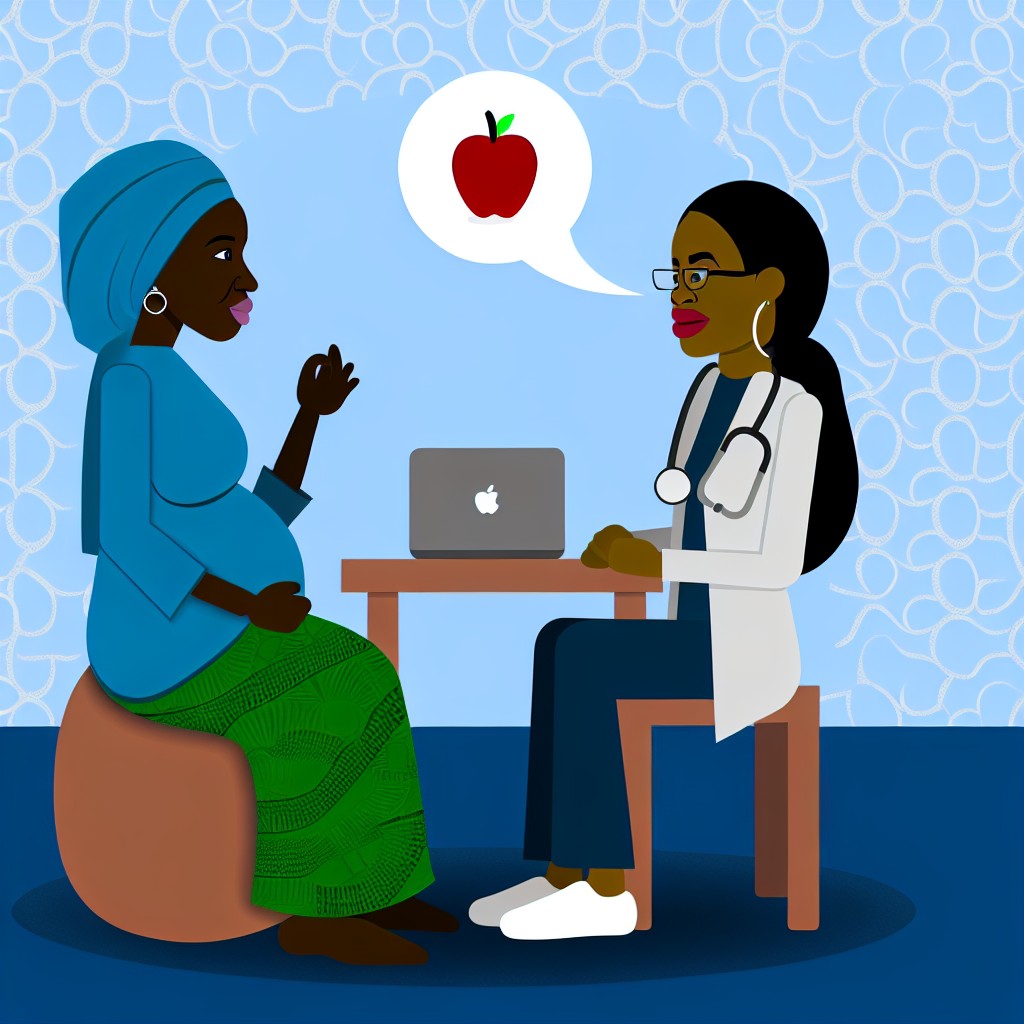
Influence of Nutrition on Pregnancy Complications Prevention
Nutrition’s Impact on Gestational Diabetes
Proper nutrition actively reduces the risk of gestational diabetes.
Expecting mothers benefit from balanced meals rich in fiber and whole grains.
Limiting sugary foods helps maintain stable blood sugar levels.
Healthcare provider Alicia Moreno recommends early dietary adjustments to prevent complications.
Managing nutrition lowers the chance of insulin resistance during pregnancy.
Reducing the Risk of Preeclampsia Through Diet
A well-rounded diet contributes to lowering preeclampsia risks significantly.
Pregnant women should increase their intake of calcium and potassium-rich foods.
Reducing salt consumption helps control blood pressure effectively.
Dietitian Marcus Li emphasizes the importance of antioxidants found in fruits and vegetables.
This approach supports vascular health and reduces inflammation naturally.
Fighting Anemia with Essential Nutrients
Iron-rich nutrition plays a crucial role in preventing pregnancy-related anemia.
Consuming vitamin C enhances iron absorption from plant sources.
Obstetrician Dr. Elena Vargas advises incorporating lean meats and leafy greens regularly.
Improved iron levels help maintain healthy oxygen supply to both mother and fetus.
Adequate nutrition prevents fatigue and promotes overall pregnancy wellness.
Supporting Healthy Fetal Development to Avoid Complications
Folate intake is vital in preventing neural tube defects during early pregnancy.
Expectant mothers should consume fortified cereals and leafy vegetables daily.
Omega-3 fatty acids support brain development and reduce inflammation.
Nutritionist Simone Carter highlights the importance of consistent prenatal vitamin use.
These nutrients decrease the likelihood of birth defects and premature labor.
General Dietary Habits for Complication Prevention
Staying hydrated supports circulation and overall pregnancy health effectively.
Small, frequent meals stabilize blood sugar and prevent nausea symptoms.
Limiting caffeine and avoiding alcohol contribute to safer pregnancy outcomes.
Registered dietitian Logan Edwards encourages planning meals with diverse nutrient sources.
Conscious eating habits empower women to prevent common pregnancy complications.
Guidelines for Safe Supplementation During Pregnancy
Understanding the Importance of Supplementation
Supplements help fill nutritional gaps during pregnancy.
They support both maternal health and fetal development.
However, not all supplements are safe in every dose.
Therefore, consulting healthcare providers is essential before starting any supplement.
Proper supplementation enhances pregnancy outcomes while minimizing risks.
Essential Nutrients to Supplement
Folic Acid
Folic acid reduces the risk of neural tube defects in the baby.
Doctors generally recommend taking 400 to 800 micrograms daily.
Begin supplementation at least one month before conception.
Continue through the first trimester for best results.
Iron
Iron supports increased blood volume during pregnancy.
Pregnant women commonly need 27 milligrams of iron daily.
Iron supplements prevent anemia and associated complications.
Taking iron with vitamin C improves absorption significantly.
Calcium
Calcium strengthens maternal bones and fetal skeleton development.
Recommended intake is about 1,000 milligrams per day.
Calcium supplements are especially important if dietary intake is low.
Divide doses to improve absorption and reduce digestive discomfort.
Safe Practices for Taking Supplements
Always follow the prescribed dosage by healthcare professionals.
Avoid self-medicating or taking multiple supplements simultaneously without guidance.
Keep supplements out of reach of children to prevent accidental ingestion.
Inform your doctor about all supplements you are taking, including herbal products.
Use reputable brands that comply with safety and quality standards.
Supplements to Avoid During Pregnancy
- Vitamin A in high doses can cause birth defects.
- Herbal supplements without proven safety data should be avoided.
- Excessive vitamin E intake may increase risks during pregnancy.
- Consult your healthcare provider before stopping or adding any supplement.
Monitoring Your Supplementation
Regular prenatal check-ups help track nutrient levels.
Your healthcare provider may adjust supplement types and dosages as needed.
Blood tests can identify deficiencies or excesses early.
Adjustments ensure both your safety and your baby’s healthy development.
Cultural Dietary Practices and Their Effects on Pregnancy
Influence of Traditional Foods on Maternal Nutrition
Cultural dietary habits shape pregnant women’s food choices significantly.
For example, in Mexican communities, corn-based foods provide essential nutrients.
Similarly, in Indian households, lentils and spices contribute important vitamins.
Moreover, traditional diets often include fresh fruits and vegetables unique to each culture.
These foods can enhance nutrient intake and support fetal development.
However, some traditional practices may limit certain food groups, affecting nutrient diversity.
Therefore, healthcare providers must understand cultural foods to advise expectant mothers properly.
Common Dietary Restrictions and Beliefs Across Cultures
Many cultures uphold food taboos during pregnancy to protect the mother and child.
For instance, some East Asian cultures discourage cold or raw foods to maintain body balance.
In certain Middle Eastern societies, strong spices and caffeine may be avoided to prevent complications.
Additionally, some African communities restrict certain meats based on beliefs about pregnancy outcomes.
These restrictions can influence intake of protein, iron, and other vital nutrients.
Healthcare professionals should respect these beliefs while guiding nutritional adequacy.
Balancing Cultural Traditions with Nutritional Recommendations
Nutritional counselors can incorporate cultural preferences into healthy meal plans.
They may suggest culturally acceptable alternatives to nutrient-poor or restricted foods.
For example, if dairy is avoided, fortified plant-based milks can supply calcium.
Furthermore, community health programs can educate families about nutrient-rich local foods.
This approach fosters respect and increases the likelihood of adherence to healthy diets.
Collaboration with local leaders improves the effectiveness of nutritional interventions.
Examples of Positive Cultural Dietary Contributions
The Mediterranean diet, rich in olive oil and nuts, promotes heart health during pregnancy.
Japanese cuisine, emphasizing fish and seaweed, provides omega-3 fatty acids and iodine.
Similarly, Ethiopian injera made from teff offers iron and protein benefits.
These foods exemplify how cultural diets can support pregnancy wellness.
Encouraging such practices can enhance maternal health globally.
Tips for Maintaining a Healthy Diet Throughout Each Trimester
Nutrition Focus During the First Trimester
During early pregnancy, your body needs folate to support fetal development.
Therefore, include leafy greens and fortified cereals in your meals.
You should also stay hydrated to help reduce morning sickness symptoms.
Additionally, consuming small, frequent meals can prevent nausea.
Avoid high-mercury fish and unpasteurized dairy products for safety.
Dietary Recommendations for the Second Trimester
As your baby grows, increase your intake of protein-rich foods.
Lean meats, beans, and nuts supply essential amino acids effectively.
Calcium intake becomes more important to strengthen bones for both of you.
Dairy products, fortified plant milk, and leafy greens can help meet this need.
Furthermore, iron-rich foods prevent anemia and boost energy levels.
Incorporate lean red meat, spinach, and lentils to meet your iron requirements.
Guidance for Nutrition in the Third Trimester
Your energy needs rise as your body prepares for labor and breastfeeding.
Hence, increase your consumption of whole grains to maintain energy steadily.
Fiber-rich foods also ease constipation, a common issue late in pregnancy.
Eat plenty of fruits, vegetables, and whole-grain bread to support digestion.
Remember to limit added sugars and processed foods for optimal nutrition.
Consistently, drink plenty of water to support amniotic fluid levels and circulation.