




Importance of a Culturally Sensitive Birth Plan
In Nigeria, cultural values shape expectations around birth.
Consequently, a plan that respects those values supports positive experiences.
Respectful planning helps families and care teams align on preferences.
Goals
A culturally sensitive birth plan centers the birthing person’s values and beliefs.
It clarifies care preferences for health workers and family.
The plan outlines preferred support persons and their involvement during labor.
It identifies practices that preserve dignity and cultural traditions.
The plan prepares safe alternatives when circumstances change.
Benefits
A respectful plan improves communication between families and care teams.
It reduces misunderstandings during labor and birth.
Clear plans can lower stress for the birthing person and family.
Caregivers can better honor traditions while maintaining safety.
Such plans promote shared decision making when situations evolve.
Setting Realistic Expectations
Labor can change quickly, so remain flexible about specific requests.
Prioritize the most important preferences to keep care manageable.
Parenting Made Just for You
Get personalized Parenting Solutions tailored to your child’s needs. Transform your parenting journey with expert guidance in 1-3 days.
Get StartedPrepare basic contingency steps and acceptable alternatives for common changes.
Flexibility and Priorities
Expect changes during labor and adapt requests when needed.
Rank preferences so staff can focus on the highest priorities.
Choose a few nonnegotiable items to guide decision making under pressure.
Contingency Planning
Create simple contingency steps for common labor changes.
Identify acceptable alternatives if initial preferences become impossible.
Discuss these alternatives with family and care staff ahead of time.
Communicating with Care Teams
Discuss your plan with your care team early in pregnancy.
Ask how they will handle emergencies while respecting your wishes.
Confirm who will communicate changes to family and support persons.
Practical Checklist
Use a short checklist to guide conversations during pregnancy.
Keep items concise and share them early with care staff.
Include roles, cultural practices, and signals for changing plans.
- List your most important nonnegotiable preferences.
- List support persons and their roles.
- Note any cultural practices you wish to include.
- Agree on signals for when to change plans.
Ultimately, a culturally sensitive plan fosters respect and clearer care pathways.
Unveil the Perfect Name that Tells Your Family's Story
Let us help you find a name that embodies your family's values, traditions, and dreams. Our personalized consultation weaves cultural insights to create a name that's uniquely yours.
Get StartedConsequently, families and caregivers can work together toward safer birth experiences.
Defining Personal Preferences for Labor and Delivery
This section clarifies your individual choices for labor and delivery.
It helps you state pain, position, attendant, and comfort preferences.
Review and update these preferences as your needs evolve.
Pain Management Preferences
Decide whether you prefer minimal intervention or active pain relief approaches.
Also, list scenarios in which you might change your preferences during labor.
Discuss those scenarios with your care team ahead of time.
Questions to Discuss with Your Care Team
Prepare specific questions to understand available pain management options.
Ask how each option may affect labor progress and your experience.
Clarify when you can request changes during active labor.
- Ask what pain options the facility offers.
- Ask how each option may affect labor progress.
- Ask when you can request changes during labor.
Communicating Preferences
Write your pain management wishes clearly in one document.
Share that document and review it with your provider before the due date.
Ensure attendants can access the document when needed during labor.
Birth Positions
Consider which positions feel natural and support movement during labor.
Decide whether you prefer to change positions often or stay steady.
Focus on positions that help you breathe and push effectively.
Factors to Consider
Evaluate comfort and your ability to breathe and push effectively.
Respect privacy and any cultural modesty preferences when choosing positions.
Confirm what equipment and space the facility can provide for movement.
- Comfort and ability to breathe and push effectively.
- Privacy and cultural modesty preferences.
- Equipment or space that the facility can provide.
Attendant Choice
Decide who you want present during labor and delivery.
Consider the skills and support style you prefer from attendants.
Discuss roles and boundaries before labor begins.
Discussing Roles and Boundaries
Specify who will make medical decisions if you cannot decide.
Also describe any rituals or practices you want included during birth.
Clarify who will provide emotional and physical support during labor.
- Describe who will make medical decisions if you cannot decide.
- Describe any rituals or practices you want included.
- Clarify who will provide emotional and physical support during labor.
Comfort Measures
List small comforts that help you stay calm and focused during labor.
Include environmental and tactile preferences in your written plan.
Bring practical items that support mobility and modesty.
Practical Comfort Items
Pack items that make you feel secure and relaxed.
Bring clothing or supports that aid mobility and preserve modesty.
Note sensory preferences for lighting and noise levels in the room.
- Bring items that make you feel secure and relaxed.
- Bring clothing or supports that aid mobility and modesty.
- Note any sensory preferences like lighting and noise levels.
Balancing Preferences with Medical Advice
Discuss potential medical needs that may affect your preferences with providers.
However, state that you remain flexible when safety requires changes in care.
Work with your provider to find safe alternatives when needed.
Documenting and Sharing Your Preferences
Write a clear, concise birth plan page summarizing your main choices.
Share this plan with your chosen attendants and the facility ahead of time.
Review your preferences periodically and update them as your needs evolve.
Cultural and Religious Practices to Consider
This section lists cultural and religious practices to consider.
It covers prenatal rituals, prayers, naming, and postpartum rites.
Also include planning and communication steps with your care team.
Prenatal Rituals
Discuss prenatal rituals with trusted family members and your care provider.
Additionally, outline timing and preferred participants for any rituals.
Therefore, identify any materials or privacy needs ahead of time.
- Participants to include.
- Preferred location within facility or at home.
- Timing relative to appointments or birth.
- Alternative options if a facility restricts items.
Prayers During Labour
State your preference for prayers during labour to your care team.
Also name who may lead prayers and when they should occur.
However, note any quiet space or consent needs for staff coordination.
- Desired timing for prayers.
- Who will lead or participate in prayers.
- Length and frequency of prayer sessions.
- Accommodation for music or quiet reflection.
Naming Traditions
Describe your naming traditions and family roles in naming decisions.
Moreover, indicate preferred timing for the naming announcement and ceremony.
Also plan for hospital paperwork and legal naming procedures alongside traditions.
- Who decides or blesses the chosen name.
- When the family prefers to announce the name.
- Any symbolic gestures linked to the naming.
- How traditions align with hospital registration tasks.
Postpartum Rites
Outline postpartum rites that support the mother and baby at home or in facility.
Furthermore, describe family roles and visiting expectations during recovery.
Additionally, specify nutritional or care practices that support healing and breastfeeding.
- Preferred caregivers during the early postpartum period.
- Visiting limits and hygiene preferences.
- Traditional foods or meal practices to aid recovery.
- Plans for follow up care and monitoring.
Planning and Communication
Include these cultural and religious preferences clearly in your birth plan document.
Then discuss them early with your care team and support persons.
Finally remain flexible because medical needs may require respectful adaptations.
See Related Content: Choosing the Best Maternity Services in Nigeria
Choosing the Birth Setting and Attendant
Consider this section as a practical guide to evaluate birth settings and attendants.
Remember you may have noted cultural preferences earlier.
Use this guide to compare options and make informed choices.
Review your priorities before meeting care providers.
Overview of Options
Review available settings such as hospital, private clinic, maternity centre, and traditional care.
Also examine hybrid arrangements that combine medical and traditional supports.
Consider how each option aligns with your safety and comfort priorities.
Hospital
Ask whether a hospital setting aligns with your priorities and expectations.
Clarify how transfers and communication will work if needed.
Discuss visiting rules and support person policies before labor begins.
Private Clinic
Consider whether a private clinic matches your preferences for privacy and continuity.
Confirm who will provide care during labor and delivery.
Ask about routines and procedures that may affect your birth experience.
Maternity Centre
Evaluate whether a maternity centre offers the atmosphere you prefer for birth.
Discuss the range of services available at the centre beforehand.
Check how the centre coordinates with other health services if necessary.
Traditional Birth Attendant
Decide whether a traditional birth attendant fits your cultural and personal preferences.
Discuss roles, expectations, and how the attendant will collaborate with clinical staff.
Consider how family and community support will integrate with this choice.
Hybrid Arrangements
Explore hybrid arrangements that combine medical care with traditional support people.
Outline clear roles for each attendant involved in the plan.
Agree on a transfer plan that everyone understands before labor begins.
Factors to Consider
Weigh safety and personal comfort when you choose a setting.
Consider practical issues such as transport and proximity to care.
Also check how the setting supports cultural and religious practices.
- Safety considerations and personal comfort should guide your choice.
- Support person access and communication style matter greatly.
- Transport logistics and proximity may influence your decision.
- Cultural and religious practices should fit into the chosen setting.
- Think about how flexible the setting will be for your preferences.
Choosing an Attendant
Meet potential attendants to assess communication and compatibility.
Ask about experience and typical roles during labor.
Discuss how they will respect your cultural practices and family wishes.
Preparing the Plan
Document your chosen setting and attendant roles clearly in the birth plan.
Share the plan with key family members and care providers ahead of time.
Review and update the plan as circumstances change during pregnancy.
See Related Content: How to Handle Stress and Anxiety During Pregnancy
Communicating and Collaborating with Healthcare Providers and Family
Informed consent means agreeing to proposed care after a clear explanation.
Therefore, ask for plain language descriptions of procedures and interventions.
Also, ask about alternatives and possible outcomes for each option.
Informed Consent and Shared Decision-Making
Request the purpose of any proposed procedure before you consent.
Clarify potential benefits and risks with your care team in advance.
Use direct questions to compare alternatives and expected outcomes for each option.
- What is the purpose of this procedure?
- What are the potential benefits and risks?
- Are there alternatives and what do they involve?
Advocacy and Choosing a Support Person
Choose a support person who communicates effectively with family and providers.
Then prepare that person with your priorities and preferred phrases.
Also, agree who will speak when conflicts arise during labor.
- Speak up for pain relief preferences when needed.
- Clarify questions with clinical staff in real time.
- Ensure your cultural practices receive respectful consideration.
Resolving Cultural Conflicts Respectfully
Bring up cultural preferences early during antenatal visits.
Explain why certain practices matter to you and your family.
Listen to safety concerns from providers with an open mind.
Next, seek practical compromises that respect both safety and culture.
In difficult cases, involve a neutral mediator to help resolve issues.
Documenting and Sharing the Birth Plan
Write your birth plan in clear, concise language everyone can read.
Include contact names for your chosen support person and provider.
Make multiple copies and keep one in your hospital bag.
Share the plan during antenatal appointments and upon admission.
- Ask staff to note key preferences in your medical record.
- Consider a simple one-page summary for quick reference.
Practical Communication Tips for Appointments
Prepare a short list of questions before each appointment.
Also bring a translated copy if language differences pose challenges.
Speak clearly and use respectful, direct language with providers and family.
Finally, request time to consider major decisions when possible.
See Related Content: Understanding the Role of Nutrition in a Healthy Pregnancy
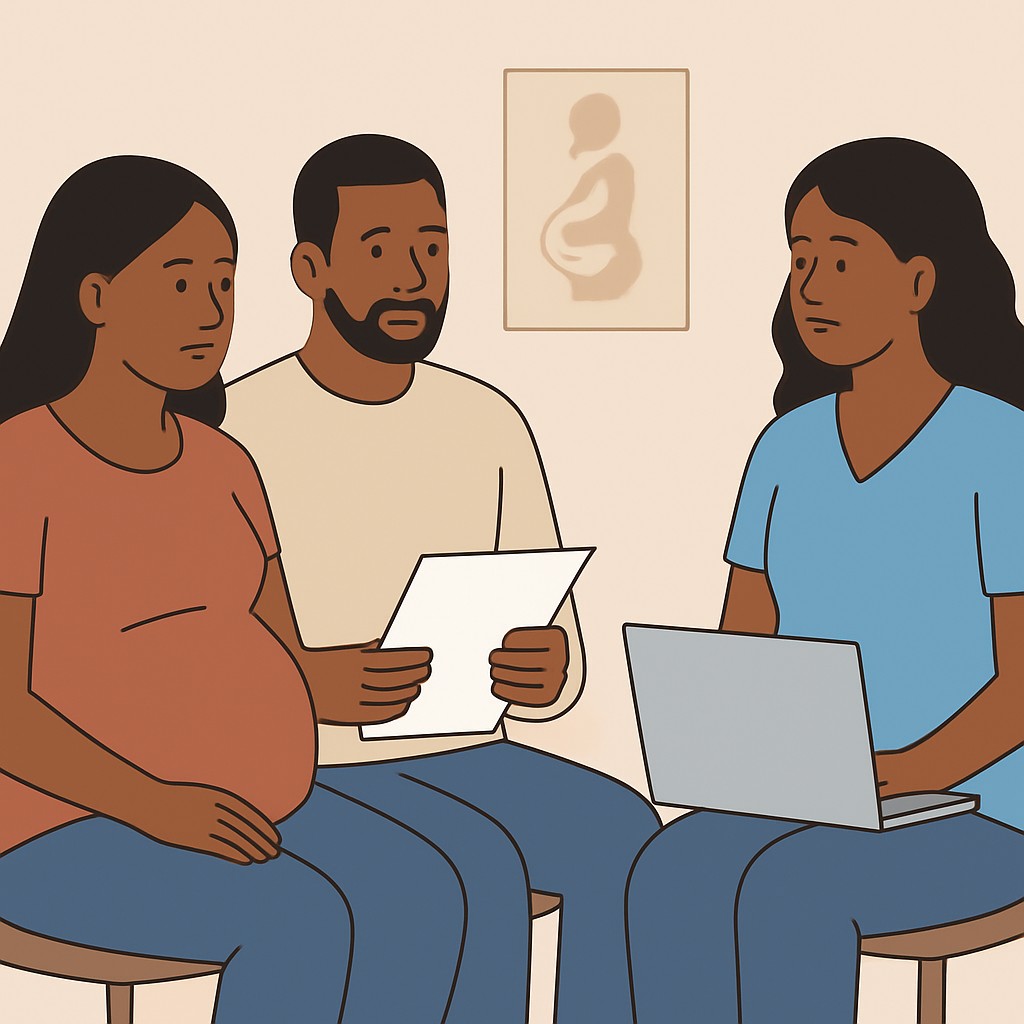
Contingency Planning for Complications
This section complements earlier discussions about preferences and settings.
It outlines steps to prepare for possible complications during birth.
It supports clear communication between you and your care team.
Planning for Surgical Birth
Discuss potential need for a surgical birth with your care team early.
Also state who may be present during a surgical birth.
Additionally clarify preferences about anesthesia and immediate newborn contact.
Moreover ask how consent will be obtained if surgery becomes necessary.
Arrangements for Emergency Transfer
Identify likely transfer options with your care team.
Also agree on who will arrange the transport when needed.
Further plan who will accompany you during transfer for support.
Meanwhile confirm communication methods between facilities prior to labour.
Understanding Referral Pathways
Ask your provider to explain formal referral pathways clearly.
Also learn the typical steps a referral will follow.
Additionally ask about expected roles of sending and receiving teams.
Furthermore request clarification on how records transfer between facilities.
Financial and Logistical Preparations
Set aside emergency funds for unexpected procedures or transfers.
Also check available payment options with your chosen facilities.
In addition prepare transportation arrangements in advance.
Moreover arrange childcare and household support for labour time.
- Emergency contact list for family and healthcare providers.
- Copies of important medical documents and antenatal records.
- Prepacked bag with essential items for mother and newborn.
- Prearranged transport details and driver contact information.
- Plan for immediate financial access, such as cash or cards.
Document and Communication Protocol
Prepare written contingency preferences to share with the team.
Also include named decision makers and preferred communication channels.
Further confirm where to store copies of emergency documents.
Finally rehearse the emergency communication steps with your support network.
Preparing Family and Support Persons
Brief family members on likely scenarios and their roles.
Also assign practical tasks to support persons ahead of time.
Additionally agree on who will handle other children and household tasks.
Finally ensure support persons know where to meet you if transferred.
Gain More Insights: Common Pregnancy Myths in Nigeria and the Truth Behind Them
Newborn Care Choices Aligned with Cultural Norms
Respectfully identify traditional newborn customs you wish to include.
Furthermore, review how each custom fits with medical safety guidance.
Record these newborn care choices clearly in your birth plan.
Breastfeeding and Colostrum Practices
Begin by identifying your breastfeeding preferences before delivery.
Additionally, discuss views about colostrum with family and care providers.
Families may hold varied approaches to first feeds and colostrum.
- Immediate breastfeeding as soon as the baby is ready.
- Expressed colostrum offered when direct latch is difficult.
- Support for hand expression and assistance from lactation staff.
- Planned use of supplementary feeding methods when medically needed.
Cord Care Options
Decide on cord care preferences with your caregiver in advance.
Furthermore, acknowledge that cultural practices may influence cord handling.
Moreover, plan when to contact health staff about cord concerns.
- Keep the cord clean and dry as a basic option.
- Accept care methods that align with safety and clinical advice.
- Designate who will manage cord care at home or in hospital.
Early Bonding and Skin-to-Skin
Prioritize early bonding tasks that feel culturally appropriate for your family.
Additionally, consider immediate skin-to-skin when clinically possible.
Also, plan for rooming-in to support feeding and bonding preferences.
Meanwhile, include alternatives if medical care delays early contact.
Therefore, outline who will support bonding activities after birth.
Traditional Newborn Customs and Safe Integration
Also, discuss modifications to customs that preserve meaning and ensure safety.
- Clarify timing for customs relative to clinical care needs.
- Agree on any items or clothing brought from home for the newborn.
- Plan communication between family members and care staff about customs.
Postpartum Support and Mental Health
Family, community, and clinical support combine for a holistic recovery plan.
Additionally, family members often provide practical and emotional support.
Moreover, partners, elders, and community members share caregiving tasks and guidance.
Family Roles and Practical Support
Family members often provide both practical and emotional support.
Partners can share caregiving tasks and household responsibilities.
Elders may offer advice and guidance when requested.
Mothers need clear boundaries and consent before others provide help.
Families should discuss expectations before discharge from care.
- Prepare meals for the mother.
- Assist with baby care tasks as agreed.
- Help with household chores and errands.
- Provide transportation for medical appointments.
Community Support Networks
Community networks can offer sustained support beyond immediate family.
Peer groups create shared learning and mutual encouragement.
Faith communities often mobilize practical help when needed.
Community health workers may provide home follow-ups and guidance.
Connecting with peers can reduce isolation and stress.
- Peer support groups offer shared experience and practical tips.
- Community health workers can provide local follow-up visits.
- Faith or community volunteers may arrange meals or childcare.
- Neighbours and extended kin often check in informally.
Follow-up Care and Mental Health Check-ins
Follow-up care should include both physical and emotional assessments.
Routine check-ins can identify emerging mental health needs.
Families should encourage mothers to attend these appointments.
Healthcare providers can offer referral pathways when needed.
Ongoing communication helps coordinate care between providers and family.
Watch for changes that warrant professional attention.
- Persistent low mood or overwhelming sadness.
- Marked loss of interest in usual activities.
- Significant changes in sleep or appetite patterns.
- Intense anxiety or difficulty calming persistent worry.
- Thoughts of harming self or baby require urgent care.
Reintegration of Cultural Practices
Reintegrating cultural practices supports identity and social belonging.
Mothers may need to adapt traditions to current health needs.
Discuss practices with the mother and her care team.
Prioritize the mother’s consent and comfort at every step.
Introduce practices gradually to allow physical and emotional recovery.
- Discuss which practices hold greatest meaning for the mother.
- Agree on timing and safe methods with family consensus.
- Collaborate with healthcare staff to identify safe adaptations.
- Respect the mother’s choices even when others expect different actions.
Additional Resources
Google search results for Creating a Birth Plan That Fits Your Needs and Nigerian Culture Pregnancy
Bing search results for Creating a Birth Plan That Fits Your Needs and Nigerian Culture Pregnancy


