




Identifying Root Causes in the Nigerian Context
Understanding local root causes helps address school attendance challenges effectively.
Causes often interact and require a broad view of the child.
Local context shapes which barriers are most common.
Anxiety and Related Fears
Anxiety can cause a child to resist going to school.
Fears may relate to separation, social pressure, or performance concerns.
Signs to watch include physical complaints, clinginess, and sudden tears.
- Stomachaches or headaches that appear on school days.
- Reluctance to leave caregivers or to enter classrooms.
- Persistent worries about tests, teachers, or peers.
Caregivers should listen calmly and ask gentle questions about feelings.
Bullying and Peer Conflict
Bullying can make school feel unsafe and unwelcome for a child.
Consequently, children may avoid school to escape peer conflict or ridicule.
Watch for withdrawn behaviour, unexplained injuries, or changed social patterns.
Also, check for avoidance of particular classmates or routes to school.
Therefore, involve trusted school staff to observe and address safety concerns.
Academic Struggle and Learning Gaps
Academic difficulty can lead to frustration and refusal to attend school.
Furthermore, gaps in understanding can erode confidence and motivation.
Signs include frequent complaints about schoolwork and reluctance to try tasks.
Parenting Made Just for You
Get personalized Parenting Solutions tailored to your child’s needs. Transform your parenting journey with expert guidance in 1-3 days.
Get Started- Homework avoidance or meltdowns around study times.
- Reports that lessons feel too hard or boring.
Additionally, assess learning needs with teachers and plan supportive steps together.
Health and Wellbeing Issues
Physical or mental health issues can reduce a child’s ability to attend school.
Poor sleep, chronic symptoms, or emotional distress often affect attendance.
Look for changes in appetite, energy, or mood that align with school days.
Consequently, seek appropriate health assessment when concerns persist.
Family Stress and Home Environment
Family stress can influence a child’s readiness and ability to attend school.
Caregiving changes or household instability may affect routines.
Signs include disrupted morning routines and inconsistent school attendance patterns.
Open family conversations can clarify practical or emotional barriers.
Logistical and Access Barriers
Practical barriers can make reaching school difficult or uncertain for families.
Issues may include transportation, cost, or conflicting family responsibilities.
Watch for patterns that link absence to particular days or weather conditions.
Explore possible adjustments to schedules or transport arrangements.
Calm Practical Steps for an Immediate Refusal Day
Use calm practical steps to manage an immediate refusal day.
Unveil the Perfect Name that Tells Your Family's Story
Let us help you find a name that embodies your family's values, traditions, and dreams. Our personalized consultation weaves cultural insights to create a name that's uniquely yours.
Get StartedFocus on de-escalation at home and short-term compromises for the day.
Then prepare a clear plan for school the next day.
De-escalation at Home
Stay calm and speak in a low, steady voice.
Give your child a short physical space to breathe and settle.
Listen without correcting or dismissing their feelings.
Reflect back one simple sentence that shows you understood them.
Guide them through a few slow breaths together to reduce arousal.
Avoid escalating language or urgent demands that increase stress.
Offer a brief, calming activity that shifts attention gently.
Short-Term Compromises to Manage the Day
Agree on a limited, temporary plan that balances safety and participation.
Set a clear, short goal for the day that feels achievable.
Provide a predictable reward or comforting routine for meeting that goal.
- Consider a shorter school day or a gradual return if feasible.
- Offer a trusted adult to accompany the child for initial arrival.
- Allow a quiet space at school for a calm check-in if needed.
- Set a clear, short goal for the day that feels achievable.
- Provide a predictable reward or comforting routine for meeting the goal.
Review the compromise together before ending the day.
Preparing for School the Next Day
Prepare a simple plan for the next school day together.
Keep steps predictable to reduce morning stress.
Coordinate with school staff to share the brief arrival plan.
Evening Routine
Create a calm wind-down routine the night before to promote rest.
Prepare clothes and items together to reduce morning stress.
Keep conversations brief and reassuring about the simple plan.
Morning Plan
Design a clear, predictable morning sequence with small, timed steps.
Offer one concise reminder about the goal for the day.
Praise any effort toward following the morning plan immediately.
Coordinate with School
Contact a staff member to share the brief plan for arrival and support.
Ask for a short, specific check-in at arrival if appropriate.
Agree on one way the school will let you know how the morning went.
After the Day
Reflect calmly with your child about what helped and what felt hard.
Note one small change to try the following day to build momentum.
Reinforce any progress with praise and consistent follow-through.
Conversation Guides for Parents
This page provides conversation prompts for parents to use at home.
It focuses on calm and constructive approaches for daily dialogues.
Additionally, it offers age appropriate questions and listening techniques.
Overview
The prompts aim to encourage safe and open parent child conversations.
They also work to build trust and improve cooperation over time.
Parents should adapt the prompts to match each family situation.
Age Appropriate Questions
The following questions are grouped by child age ranges for clarity.
Use the examples to open gentle and focused conversations at home.
Also, tailor the wording to match your child’s language and maturity.
Younger children
Use short direct prompts for younger children to reduce overwhelm.
Ask about simple events to encourage concrete and brief answers.
Then offer gentle choices to help them feel safe sharing.
- What part of school do you not like today?
- Who did you play with at school?
- Is there something that made you sad this morning?
- Would you like to tell me one thing about school?
Older children
Ask for specific descriptions of what felt hard that day.
Invite them to show or explain feelings using words or actions.
Also, ask what helps them calm down when things become tense.
- What happened at school that felt hard for you?
- Can you show me how it looked or felt?
- What helps you feel calmer when things get tough?
- How can I support you tomorrow at school?
Teenagers
Use direct questions that respect a teenager’s need for autonomy.
Ask about specific classes or days that feel the most challenging.
Also, explore any solutions they have already considered or tried.
- What specifically makes attending school difficult now?
- Which day or class feels the most challenging?
- What solutions have you thought about so far?
- How would you like me to help with those plans?
Active Listening Techniques
Give your full attention and pause other tasks while listening.
Also, sit at your child’s level when possible to appear less intimidating.
Allow silence so your child can gather thoughts and respond honestly.
- Keep eye contact but do not stare.
- Give quiet moments for thinking.
- Reflect back what you hear in simple words.
- Ask open questions that invite more details.
Validating Feelings
Name the emotion you observe and say it aloud to the child.
Then tell them that the feeling makes sense given their experience.
Follow validation with a question about needs or possible support options.
- Use phrases that show understanding and acceptance.
- Normalize feelings without minimizing the child’s experience.
- Then ask what would help or what they need.
Avoiding Punishment or Lecturing
Do not use punishment to force immediate attendance at school.
Also, avoid long lectures that sound dismissive or overly punitive.
Instead, replace blame with problem solving and offer limited choices.
- Replace blame with problem solving language.
- Offer limited choices to restore the child’s control.
- Set clear calm expectations together with your child.
- Use short specific consequences when necessary and fair.
Practical Phrases to Use
Use short phrases that invite cooperation and lower defensive reactions.
Thank your child when they share how they feel or what happened.
Try one small idea and then check back to review how it went.
- I hear you and I want to help figure this out.
- Thank you for telling me how you feel.
- Let’s think together about small steps you can try.
- We can try one idea tomorrow and then check in.
You Might Also Like: How To Build Discipline Before School Begins
Working with the School
Work collaboratively with school staff to support your child.
Start communication early to build trust and coordination.
Maintain clear written records of interactions and plans.
Requesting and Arranging Meetings
Reach out to the school promptly to arrange a meeting.
Also specify whom you would like to include in the meeting.
Request an agenda so meetings stay focused.
- Teachers who see your child daily.
- Headteacher or principal for leadership input.
- School counsellor for emotional support planning.
- Any specialist staff involved in learning or care.
Preparing for Meetings
Gather attendance records and any relevant school notes.
Also prepare a list of concerns and desired outcomes.
Bring copies of communications you have sent or received.
Consider taking a support person to the meeting for backup.
Documenting Absences and Communications
Keep a clear written log of each absence and contact.
Record dates, times, reasons given, and who you contacted.
Additionally, keep records in one secure and accessible place.
- Save copies of letters, emails, and school notes.
- Ask the school to confirm attendance records in writing.
- Follow up meetings with a summary email or note.
Co-creating a Return Plan
Invite the school to develop a collaborative return plan together.
Also agree clear short-term and longer-term goals for reintegration.
Therefore, document the plan and share copies with all parties.
- Consider a phased return with gradual increases in attendance.
- Identify accommodations that reduce barriers to attendance and learning.
- Include academic catch-up options and flexible scheduling where possible.
- Assign clear responsibilities for school and family actions.
- Set review dates to monitor progress and make adjustments.
Follow-up and Review
Hold regular check-ins to assess how the plan works.
Also adjust strategies when progress stalls or new needs arise.
Confirm any changes in writing to avoid confusion.
Keep lines of communication open between family and school.
Find Out More: How To Handle First School Separation Anxiety
Addressing Practical and Cultural Barriers
This section focuses on transport, costs, and family or religious obligations.
It also offers practical steps that families can take locally.
Combine practical solutions with respect for family beliefs and safety.
Transport Safety
Assess the daily route to identify safety concerns.
Discuss secure options like escorted walk groups or shared rides.
Arrange simple communication plans for travel updates and emergencies.
Check with the school about safe drop off locations and supervision.
- Walk the route with your child before regular travel.
- Identify trusted neighbors or adults along the route.
- Consider grouped travel with other families when possible.
Fees and Uniform Stress
Address financial pressure by talking with the school about flexible payment options.
Explore low-cost uniform alternatives like second-hand items or adaptable clothing.
Create a simple budget that spreads school costs across months.
- Ask the school for a clear breakdown of required expenses.
- Set up a small savings plan for termly or yearly costs.
- Discuss peer options like uniform swaps within the community.
Religious or Family Obligations
Respect cultural and religious practices when planning attendance and schedules.
Negotiate with family members to find mutually acceptable solutions.
Arrange flexible school participation for days with important family duties.
- Map religious events that regularly affect attendance.
- Plan catch-up activities for missed lessons and assessments.
- Engage community or religious leaders to support balanced attendance plans.
Prioritize safety and family beliefs when adjusting attendance plans.
Therefore, tailor plans to suit your child’s needs and household circumstances.
You Might Also Like: Why Positive Reinforcement Is Effective for Nigerian Families
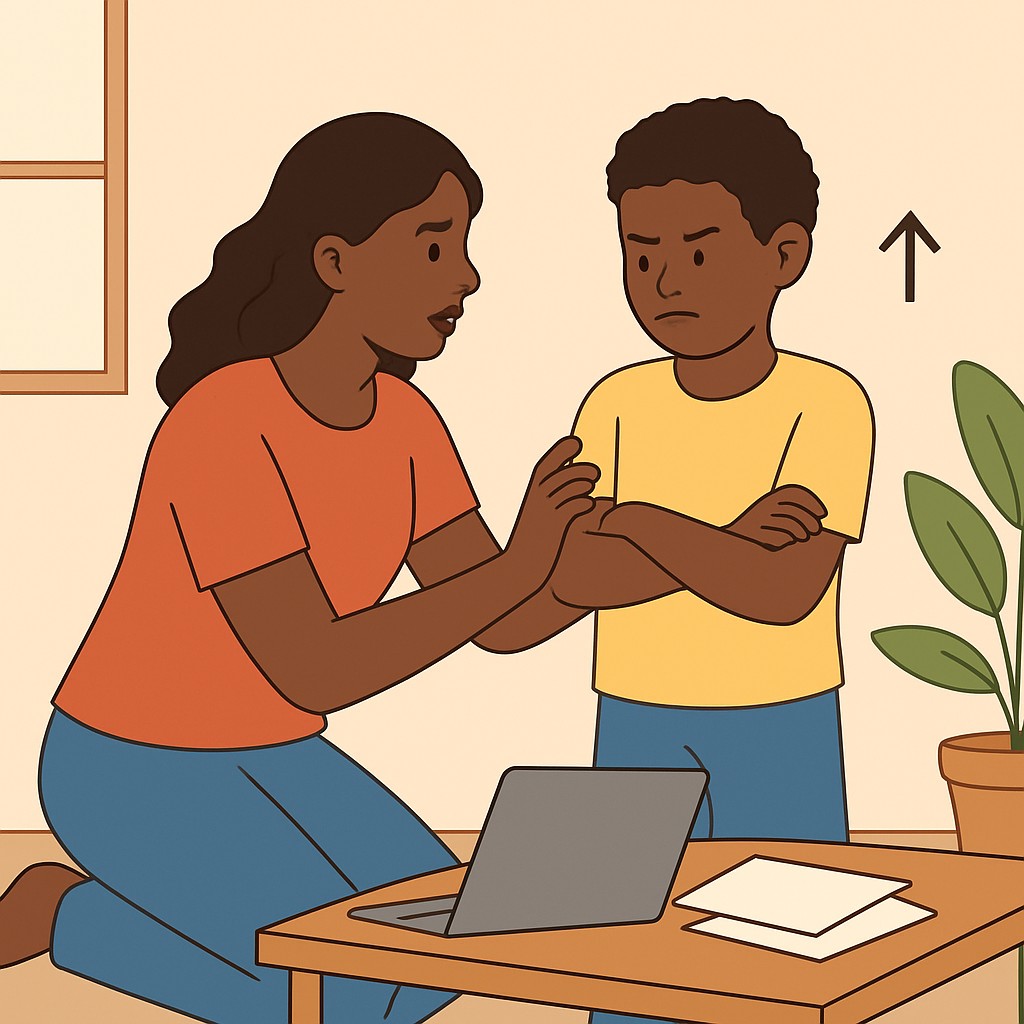
Recognising When Professional Help Is Needed
This section outlines signs that may need professional support.
Use the lists to identify patterns that affect daily life.
Seek help when concerns are persistent or worsen over time.
Signs that may indicate depression
The following signs can suggest depression.
Look for changes in mood, interest, sleep, and energy.
Note that these signs may impair daily functioning.
- Persistent low mood or frequent tearfulness may suggest depression.
- Also, loss of interest in usual activities can be a warning.
- Additionally, changes in sleep or appetite can signal emotional distress.
- Moreover, ongoing fatigue or low energy can affect daily functioning.
Signs that may indicate anxiety
Anxiety can affect thoughts and concentration.
It may also cause repeated physical symptoms.
Avoidance of routines or social situations can occur.
- Excessive worry that affects concentration can indicate anxiety.
- Also, repeated physical symptoms like stomachaches may reflect anxious feelings.
- Furthermore, avoidance of routines or social situations may show heightened anxiety.
Signs that may indicate trauma
Trauma can cause nightmares or sudden fear responses.
People may become hypervigilant or easily startled.
Regression in behaviour or increased clinginess can appear.
- Nightmares or sudden fear responses can signal past trauma.
- Additionally, hypervigilance or jumpiness may reflect a trauma response.
- Also, regression in behaviour or increased clinginess can be signs.
Deciding to seek specialist support
Consider specialist support for persistent or worsening signs.
Seek help when symptoms impair school attendance or daily life.
Use specialist care if home strategies do not help.
Types of professionals who can help
Various professionals can assess and support emotional concerns.
A psychiatrist can evaluate medication options when appropriate.
A paediatrician can rule out medical contributors to behavioural change.
- A child mental health professional can assess emotional concerns.
- A psychiatrist can evaluate medication options when appropriate.
- A psychologist or therapist can provide counselling or therapy interventions.
- A paediatrician can rule out medical contributors to behavioural change.
How to access help discreetly
Ask about confidentiality before sharing sensitive details.
Arrange private appointments away from school settings.
Consider remote consultations to maintain privacy.
Use a private phone or email for initial contacts.
Ask providers about discreet billing or appointment records options.
Preparing for an initial assessment
Collect brief notes on recent changes in behaviour and routines.
List simple examples of where your child struggles daily.
Note previous supports tried and their effects.
When to seek urgent help
If you fear for your child’s safety, seek immediate professional care.
Trust your instincts.
Seek help when you observe severe decline or self-harm.
Gain More Insights: How to Balance Traditional Nigerian Values with Modern Parenting Styles
Prevention and Resilience-Building
This section covers prevention and resilience-building for school attendance.
It highlights routines, sleep, academic support, peer connections, and gradual exposure.
Parents and caregivers can apply practical strategies at home.
Establish Calming Morning Routines
Consistent morning routines reduce stress and unpredictability for children.
First, create a short sequence of morning steps the child can follow.
Additionally, use a visual checklist so the child sees each step.
- Wake at the same time to set predictable rhythms.
- Include a healthy breakfast to support focus.
- Pack school items together to reduce last minute stress.
- Add a brief calming moment before leaving the house.
Finally, prepare items like clothes and bags the night before.
Also, include a quiet five minute calming activity before leaving.
Prioritize Sleep Hygiene
Regular sleep schedules improve mood and concentration at school.
Therefore, set a consistent bedtime and wake time every day.
Additionally, create a wind-down routine that signals sleep time.
Avoid screens in the hour before bed whenever possible.
Ensure the sleep space feels comfortable and calm for the child.
Provide Academic Support and Confidence
Small, regular help sessions build skills without overwhelming the child.
Next, break homework into short, manageable tasks with clear steps.
Also, connect tasks to the child’s interests to increase engagement.
Celebrate small achievements to build confidence and persistence.
Use simple tools at home to reinforce learning in short sessions.
Foster Peer Connections
Peer support reduces isolation and normalizes school experiences.
Therefore, encourage regular social interactions outside of school hours.
Organize short, low-pressure meetups with one or two classmates first.
Additionally, praise social attempts even when they feel awkward to the child.
Finally, support the child to join activities that match their interests gently.
Use Gradual Exposure to School
Gradual exposure helps children rebuild tolerance for school routines gently.
First, plan brief, safe visits to the school environment before full days.
Next, increase time at school in small, predictable steps over weeks.
Also, rehearse arrival and departure routines at home to reduce anxiety.
Finally, set simple daily goals so the child experiences small successes regularly.
Alternative Pathways and Transition Planning
This section presents alternative pathways and transition planning.
It outlines temporary adjustments and bridging programmes for reintegration.
The focus includes part-time options and structured home learning.
Temporary Adjustments
Implement short-term schedule changes where possible.
Additionally, use quiet spaces or reduced lesson loads to lower pressure.
Use these adjustments to reduce daily strain.
Bridging Programmes and Transitional Classes
Explore bridging classes that focus on confidence and skills.
Meanwhile, check how options link back to mainstream learning.
Seek flexible entry points to ease reintegration.
Part-time and Split Attendance Options
Consider reduced timetables that build attendance gradually.
Alternatively, split days between on-site learning and supervised home study.
Align hours with learning goals to maintain progress.
Structured Home Learning During Transition
Use planned home learning to maintain routine and progress.
Additionally, set clear daily goals that match main learning priorities.
Include regular check-ins to monitor engagement and understanding.
- Provide a consistent study space for focus.
- Follow a predictable daily timetable to build routine.
- Use short, varied learning sessions to sustain attention.
- Keep simple records of work and progress.
- Plan safe social contact to support peer connections.
Designing a Transition Plan
Create short term goals that target attendance and wellbeing.
Then, agree clear responsibilities for family and other supporters.
Also, build a stepped timetable for gradual increases in attendance.
Use simple criteria to decide when to increase on-site time.
Monitoring, Review and Adjustment
Schedule regular reviews to assess progress and setbacks.
Adjust plans promptly when challenges arise.
Meanwhile, celebrate small gains to boost motivation.
- Set clear targets for attendance and learning.
- Agree dates for review and adjustment.
- Name a coordinator to keep plans on track.
- Keep brief records of adaptations and progress.
A short cooperative link with the school helps reintegration.
Additional Resources
Google search results for What To Do If Your Child Refuses School Behavior and Discipline
Bing search results for What To Do If Your Child Refuses School Behavior and Discipline


