



Defining the Educational Experience
Define the educational experience you want your future child to have.
Consider learning environments, teaching approaches, and daily experiences that reflect your family’s values.
Also, connect educational choices with the atmosphere and support your child may need.
Clarifying Learning Priorities
Identify the knowledge, skills, and habits you hope your child will develop.
Look beyond academic achievement when describing your preferred educational experience.
Include personal growth, curiosity, confidence, creativity, and responsible decision-making when appropriate.
Considering the Learning Environment
Reflect on the atmosphere you want your child to experience while learning.
Consider whether structure, exploration, collaboration, independence, or balance best fits your preferences.
Also, identify the guidance and encouragement your child may need.
Describing Long-Term Outcomes
Define the broader outcomes you hope education will support over time.
These outcomes can address personal development, academic direction, and informed decision-making.
Keep your goals broad enough to support growth and changing interests.
Connecting Education With Values
Clarify how education should support the values your family prioritizes.
You might emphasize curiosity, perseverance, adaptability, empathy, or responsible participation.
Choose priorities that reflect your family’s intentions rather than external expectations.
Parenting Made Just for You
Get personalized Parenting Solutions tailored to your child’s needs. Transform your parenting journey with expert guidance in 1-3 days.
Get StartedAllowing Room for Individuality
Keep your plans flexible because your future child may develop different interests and strengths.
Define outcomes broadly enough to support personal discovery and changing preferences.
Provide direction without assigning a fixed identity or predetermined path.
Turning Intentions Into Planning Questions
Use clear questions to examine whether your educational preferences match your long-term goals.
Ask which experiences might encourage the qualities you want your child to develop.
Review these intentions periodically as your understanding of family needs develops.
Build an Early Education Budget
Start by creating a dedicated education budget before your child begins school.
First, list expected education expenses.
Then, separate essential costs from optional costs.
Account for School Fees
Include school fees as a central part of the education budget.
Record each known fee separately to make the total cost easier to review.
Additionally, allow for fee changes when planning future education expenses.
Include Learning Materials
Budget for learning materials that support your child’s education.
Consider books, stationery, supplies, and other materials connected with schoolwork.
Unveil the Perfect Name that Tells Your Family's Story
Let us help you find a name that embodies your family's values, traditions, and dreams. Our personalized consultation weaves cultural insights to create a name that's uniquely yours.
Get StartedKeep this category separate so you can track material costs clearly.
Plan for Transport Costs
Add transport expenses if your child needs travel for education.
Review this category alongside school fees and learning materials.
Furthermore, account for transport changes when updating the budget.
Prepare for Technology Needs
Include technology costs that support learning and school participation.
Consider devices, connectivity, maintenance, and other technology-related expenses.
Separate technology costs from learning materials to improve budget clarity.
Allow for Related Expenses
Reserve part of the budget for other education-related costs.
These costs may include requirements that do not fit within the main categories.
Therefore, use a flexible category for expenses you cannot identify yet.
Organize and Review the Budget
Group expenses by category to understand how each cost affects the budget.
Record expected costs before committing to an education plan.
Review the budget regularly and adjust categories when circumstances change.
Finally, keep the budget flexible enough to accommodate new education-related needs.
Compare Schooling Options
Begin by mapping the schooling options available to your family.
Consider how each option organizes learning, communication, routines, and family involvement.
Then, compare how each option supports your family’s priorities.
- Traditional school settings
- Alternative educational programs
- Home-based learning arrangements
- Online or blended learning environments
Focus on differences that affect learning, relationships, flexibility, and daily participation.
Examine Teaching Approaches
Review the teaching approaches that each school or program uses.
Some approaches emphasize structured instruction, while others encourage exploration and independence.
Also, consider how educators introduce ideas and support different learning preferences.
- Look for clear explanations and purposeful activities.
- Ask how educators encourage questions and participation.
- Explore how teachers provide guidance during challenges.
- Consider how programs balance individual work and collaboration.
Then, identify the approach that best reflects your family’s educational priorities.
Assess School Qualities
Look beyond the school’s basic format when comparing possible choices.
Assess the qualities that shape the learning experience each day.
These qualities can reveal whether school practices match your family’s expectations.
- Review the school’s communication style.
- Consider its expectations for student participation.
- Examine how it supports respectful relationships.
- Notice how it responds to questions and concerns.
- Explore how it involves families in the educational process.
Evaluate the Learning Environment
Consider the environment where learning takes place.
Examine the physical setting, social atmosphere, and overall sense of belonging.
Additionally, consider whether the environment encourages focus, curiosity, cooperation, and confidence.
Ask how the setting supports different activities throughout the learning experience.
Observe whether the environment reflects the values your family wants to encourage.
Create a Comparison Framework
Use consistent questions when comparing different schooling options.
This approach helps you focus on meaningful differences instead of surface impressions.
Record your observations so you can revisit them as your planning develops.
- Which qualities matter most to your family?
- Which teaching approaches align with your preferences?
- Which environments feel most compatible with your expectations?
- How does each option involve parents and caregivers?
- Which questions still require clearer answers?
Finally, discuss your comparisons with people who will share educational responsibilities.
Shared discussion can clarify priorities and support consistent decision-making.
Uncover the Details: Why Pregnancy Is A Good Time To Think About Schooling
Building the Education Plan Early
Education planning benefits from an early, dedicated approach.
Regular contributions can support steady progress toward future education goals.
Flexible reviews can help maintain the plan as circumstances change.
Beginning Education Planning Before the Child Arrives
Start an education savings or investment plan before the child arrives.
Beginning early creates a dedicated structure for future education contributions.
Additionally, early planning can make regular contributions part of your financial routine.
Creating a Dedicated Education Plan
Choose a dedicated savings or investment plan for education purposes.
Meanwhile, keep education contributions separate from other financial priorities.
This separation can make progress easier to review and manage.
Setting Realistic Contributions
Set contribution amounts that fit your current financial circumstances.
Choose a manageable amount rather than creating an unrealistic commitment.
Regular contributions can support steady progress toward education planning goals.
However, avoid contributions that place unnecessary pressure on your finances.
Allowing Room for Adjustment
Review the plan as your circumstances change.
Then, adjust contributions when your available resources increase or decrease.
Likewise, revisit the plan when your financial priorities change.
Flexible contributions can help you maintain the plan over time.
Maintaining Clear Records
Track each contribution within the dedicated education plan.
Regular records can show whether your current approach remains realistic.
Therefore, use your records to guide future adjustments.
Keep the plan focused on supporting the child’s future education.
See Related Content: Creating a Birth Plan That Fits Your Needs and Nigerian Culture
Encouraging Daily Reading
Create a welcoming space where books remain easy to see and reach.
Choose reading materials that invite shared attention and conversation.
Read aloud regularly, and let your child respond in different ways.
Additionally, discuss pictures, words, characters, and ideas during reading.
Let your child revisit favorite books while gradually introducing new materials.
Making Room for Curiosity
Provide safe opportunities for your child to notice, explore, and ask questions.
Use ordinary household experiences to encourage observation and discussion.
Follow your child’s interests, and invite exploration through simple activities.
Meanwhile, keep the environment flexible for questions, discovery, and creative expression.
Respond positively whenever your child shows interest in something unfamiliar.
Strengthening Communication
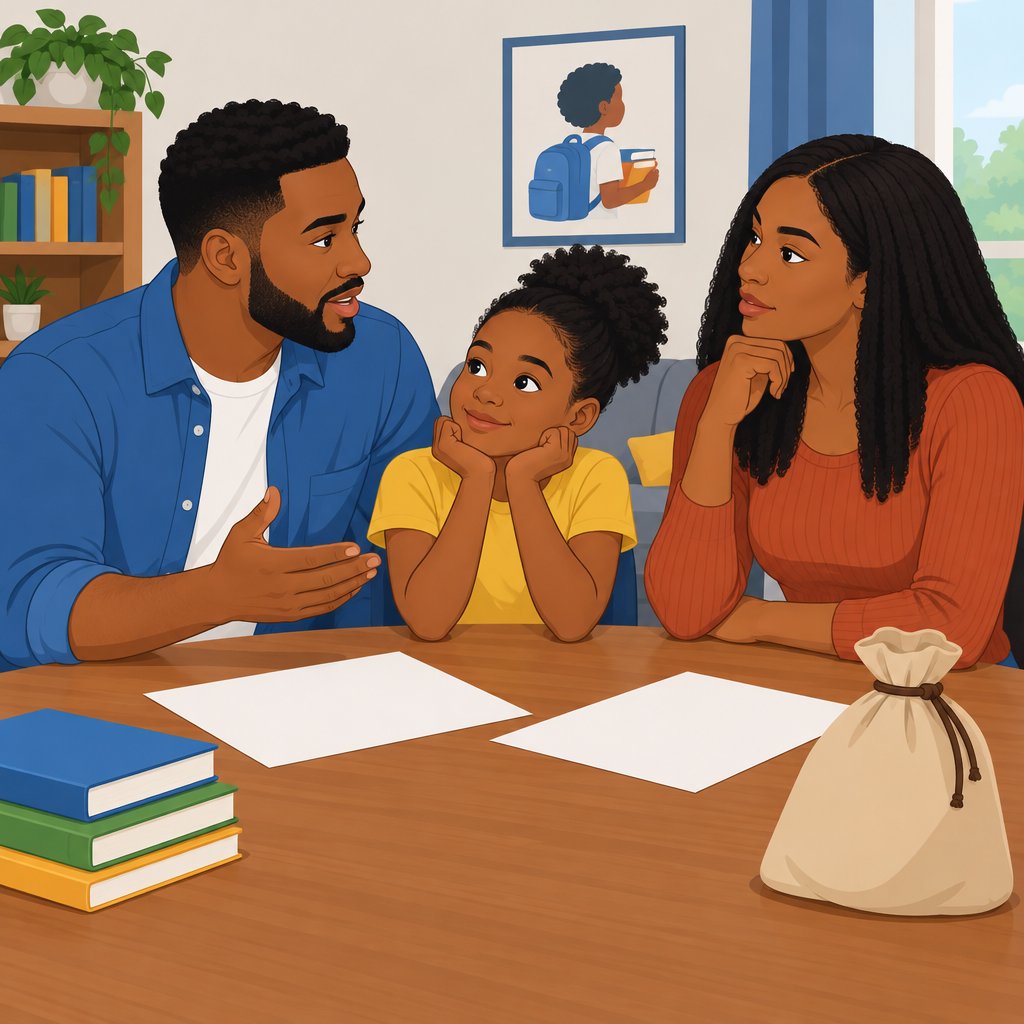
Speak with your child often, using clear language and attentive listening.
During conversations, pause and give your child time to communicate.
Acknowledge gestures, sounds, questions, and other forms of expression.
Encourage your child to describe experiences, preferences, and feelings.
Consequently, daily conversations can create natural opportunities for early learning.
Supporting Healthy Development
Plan spaces that support movement, rest, play, and focused attention.
Keep frequently used areas organized, comfortable, and safe for exploration.
Offer consistent encouragement while allowing your child to attempt manageable activities.
Notice changing interests, and adjust the home environment when appropriate.
Furthermore, maintain a calm atmosphere that supports communication and curiosity.
Creating Consistent Learning Routines
Establish simple routines that include reading, conversation, play, and exploration.
Use regular moments throughout the day to encourage learning naturally.
Keep routines adaptable because children’s interests and needs can change.
Invite all regular caregivers to support the same encouraging approach.
As a result, your home can provide steady support for early childhood learning.
Learn More: Choosing the Best Maternity Services in Nigeria
Aligning Education With Family Values
Begin by discussing the values your family wants education to reflect.
These values can guide daily learning, relationships, responsibility, and personal growth.
They can also help your family make thoughtful educational decisions.
Clarifying Family Priorities
First, identify the principles that should remain visible throughout your child’s educational journey.
These principles may include respect, curiosity, honesty, service, independence, or cooperation.
Then, distinguish essential priorities from preferences that can change over time.
This distinction helps your family make consistent decisions when educational choices arise.
Honoring Culture and Identity
Culture can shape the language, traditions, stories, and experiences your family values.
Therefore, consider how education can acknowledge and respect your child’s cultural identity.
Discuss which traditions your family wants to preserve through everyday learning.
Also, consider how your child can encounter perspectives beyond the family’s own experience.
Including Faith Thoughtfully
If faith guides your family, discuss how it should influence the educational environment.
Consider the role of spiritual practices, moral teaching, community, and personal reflection.
Next, clarify which expectations matter most when evaluating educational settings.
Keep these discussions open because your family’s understanding may develop over time.
Balancing Expectations With Flexibility
Parents may hold hopes about achievement, behavior, interests, or future direction.
However, expectations should leave room for your child’s developing personality and abilities.
Encourage effort, responsibility, and growth without defining your child through fixed assumptions.
Additionally, adjust expectations as your child’s needs and interests become clearer.
Communicating With Future Educators
Share important family values with educators when discussing your child’s educational experience.
Explain which cultural or faith-based considerations may affect participation and communication.
Ask how educators can respect those considerations within the learning environment.
Meanwhile, listen carefully to their perspectives before making decisions.
Creating a Shared Family Approach
Parents and caregivers should discuss expectations before making major educational decisions.
Regular conversations can reveal differences and encourage thoughtful compromise.
Record agreed priorities so future decisions reflect your family’s shared direction.
Finally, revisit those priorities as circumstances, understanding, and your child’s voice develop.
Learn More: How to Handle Stress and Anxiety During Pregnancy
An Organised Education Record System
First, gather important education records in one clearly organised place.
Keep physical and digital copies whenever practical.
Label each record clearly so you can locate information quickly.
Additionally, update the collection whenever information changes.
Protect access to records while keeping them available for necessary applications.
Enrolment Requirement Tracking
Review the information each enrolment process requires before starting an application.
Then, identify missing records or details that need attention.
Use a simple checklist to monitor completed and outstanding tasks.
Keep application information consistent across related documents.
Finally, check every application carefully before submitting it.
Future Education Applications
Future applications benefit from organised records and consistent information.
Early decisions can support clearer preparation for later enrolment processes.
Regular reviews can keep application materials ready when circumstances change.
Documented Education Decisions
Write down major education decisions as your family considers future options.
Include the reasons behind each decision for easier review later.
Keep these notes with the relevant education records.
Moreover, review decisions when family circumstances or priorities change.
Ready Access to Information
Organise commonly needed information so applications require less searching.
Use consistent names, dates, and details across education documents.
Check records regularly for missing, outdated, or conflicting information.
Therefore, address discrepancies before they delay an application.
Smoother Education Transitions
Education transitions require organised records and clearly documented decisions.
Careful preparation helps information move smoothly between education stages.
Regular reviews can preserve useful details during each change.
Preparation for Changes Between Stages
Consider how records and decisions will move between education stages.
Keep documents arranged so another person can understand them easily.
Review the collection before each transition begins.
Then, add new information without discarding useful earlier records.
A Practical Handover Process
Prepare a clear summary of relevant education information for each transition.
Separate current records from older information to improve clarity.
Confirm that required information remains available after each change.
Finally, update the organisation system after every completed transition.
Keep the Education Plan Responsive
An education plan should remain flexible as circumstances change.
Regular reviews help you keep educational choices aligned with current conditions.
A responsive plan supports realistic decisions without losing sight of broader priorities.
Review Financial Changes
Regularly compare the plan with your current financial position.
Then, adjust planned commitments when your finances change.
This approach helps keep educational decisions realistic and manageable.
Consider Family Circumstances
Family circumstances can influence educational priorities and available resources.
Therefore, revisit the plan when significant family changes occur.
Adapt expectations while keeping your broader educational priorities in view.
Follow the Child’s Developing Interests
As the child grows, their interests may influence future educational decisions.
Pay attention to those interests without treating early preferences as permanent.
Instead, allow the plan to develop alongside the child.
Document Each Review
Keep a clear record of changes made during each review.
Note why you adjusted priorities, commitments, or expectations.
This record supports consistent decisions as circumstances continue developing.
Make Adjustments Deliberately
Review the entire plan before making significant changes.
Consider your finances, family circumstances, and the child’s interests together.
Finally, update the plan whenever those factors suggest a different direction.
Additional Resources
Google search results for How Future Parents Can Plan A Child’s Education Early Pregnancy
Bing search results for How Future Parents Can Plan A Child’s Education Early Pregnancy


