




For non-speaking autistic children, school decisions need a clear account of their own communication. A meeting can contain detailed adult reports yet leave that account unclear. This article offers a private note sheet to help families ask what people observed, in which context, and how adults interpreted it.
The sheet is an editorial planning aid. It is not an assessment of a child, a communication programme or a school-quality score. Use the child’s established ways of communicating, with appropriate professional support. Speech alone cannot establish a child’s understanding or ability.
Non-speaking autistic children: school decisions and the research
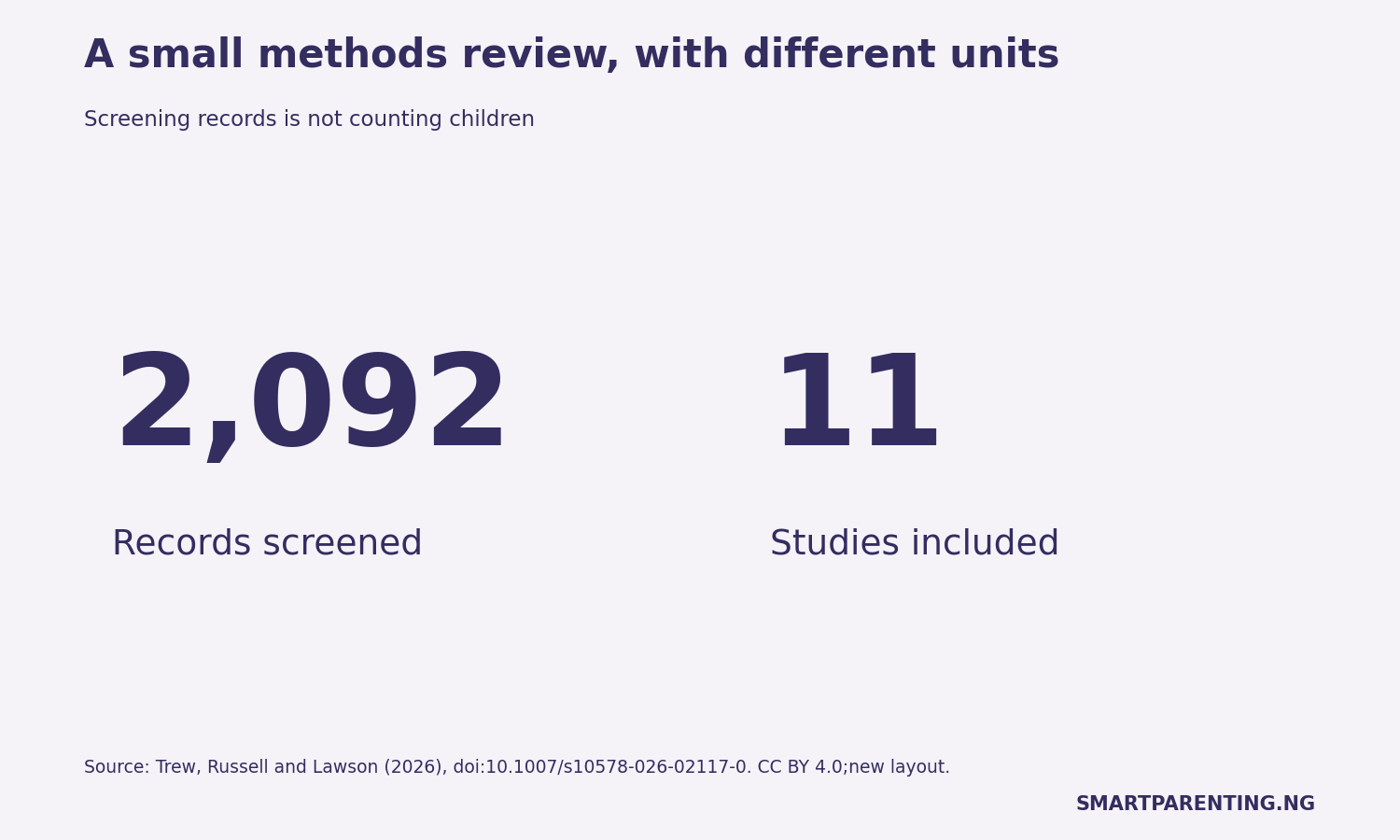
A scoping review by Trew, Russell and Lawson, published on 30 October 2026, mapped direct participation in qualitative research. It screened 2,092 records and included 11 studies published during 2012–2025. Participants were aged 5–18. The studies covered five countries; none was Nigeria.
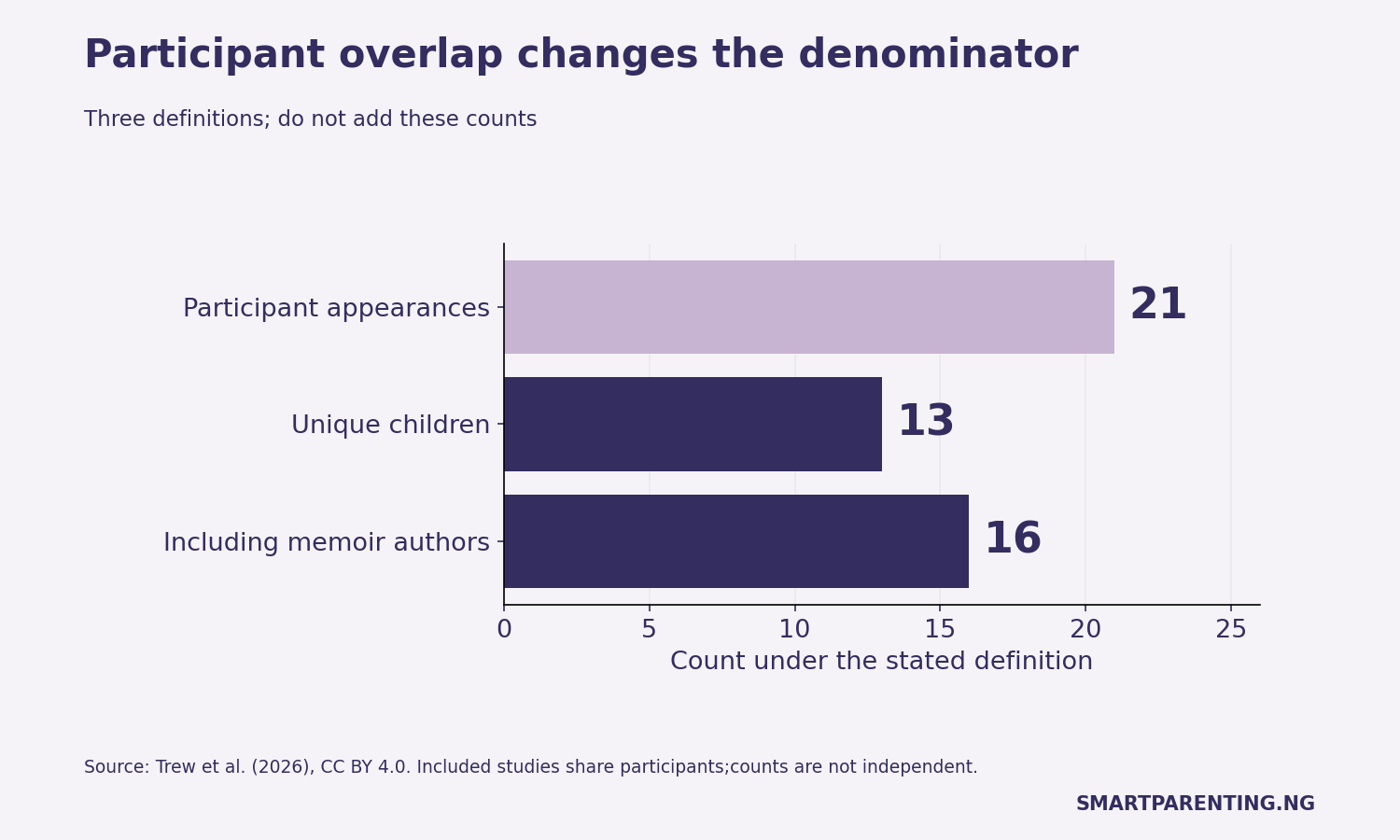
The reports contained 21 participant appearances, with overlap: 13 unique children, or 16 including memoir authors. These counts answer different questions. The team did not formally appraise study quality. This is a map of methods, not evidence that a particular communication treatment works.
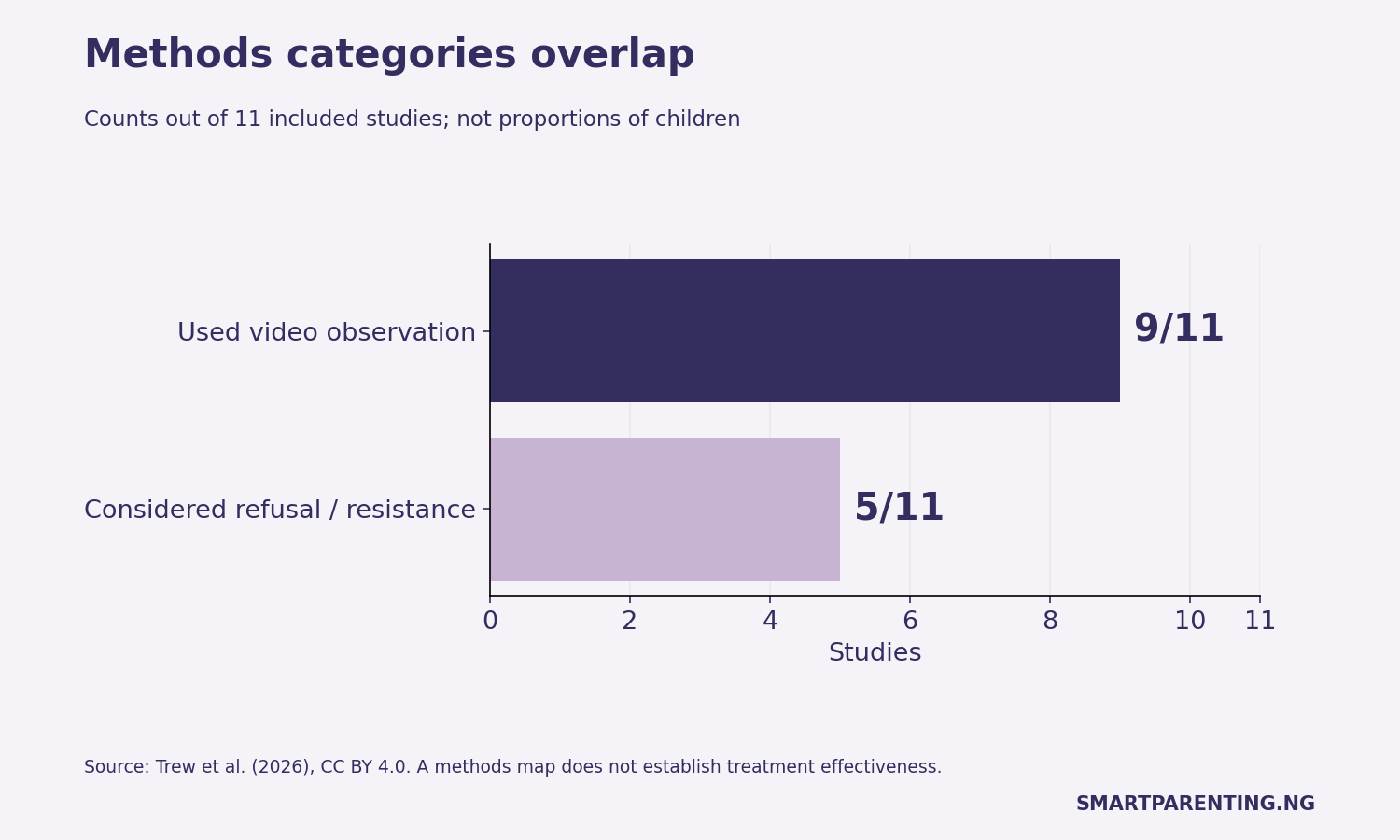
Nine studies used video observation; five treated refusal or resistance as communication. However, these categories overlap. Research recording is not an instruction to film a child at home or school. Our tool requires no video, account or upload.
Begin with one decision
Choose a decision that the meeting can actually address. For example, a fictional family might discuss where a quiet break could happen. Write that decision at the top of the page. Then ask which established communication method the child uses in that setting.
Keep the question specific. “How will this break option be communicated and checked?” is easier to document than “Is everything working?” As a result, a specific question makes the next step clearer. However, the note sheet cannot determine which communication aid suits an individual child.
Before the meeting, ask who can clarify the child’s established communication system. A qualified communication specialist may help the family and school understand its use. Do not substitute a new internet technique for that individual support.
Keep observation, context and interpretation separate
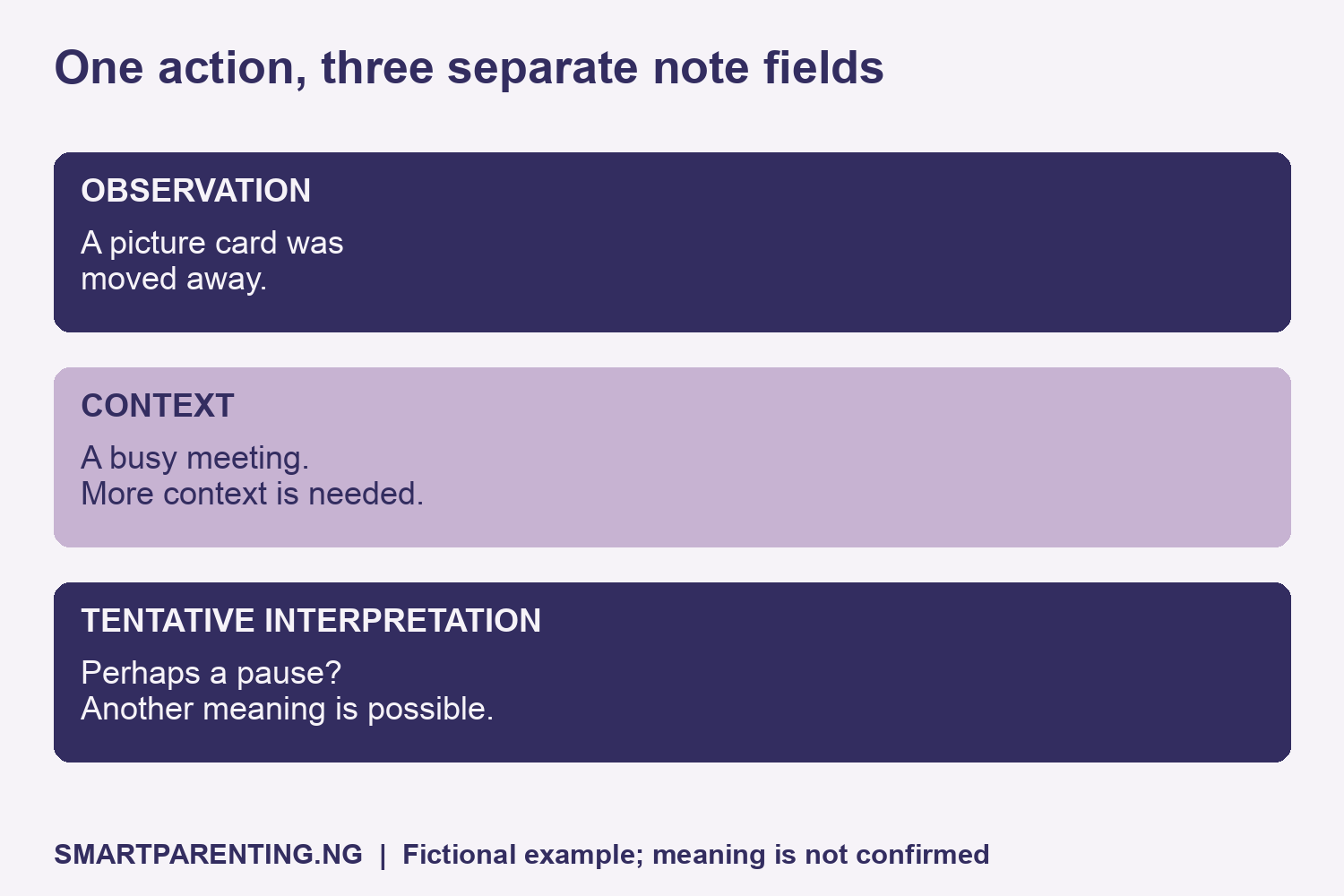
Consider a fictional example: a child pushes a picture card away during a busy meeting. The direct observation is the movement of the card. “The child hates school” is an adult interpretation, not a recorded statement from the child.
For example, context might include noise, the activity, other people and the events just before it. Another interpretation could be that this particular interaction needs a pause. However, one action cannot establish either interpretation. Record the uncertainty and who can help clarify it.
| Note field | What to record | What to keep open |
|---|---|---|
| Decision | One practical question for this meeting | Whether another decision needs a separate meeting |
| Established method | How the child already communicates in this setting | Whether adults understand it well enough |
| Direct observation | What was seen, heard or independently communicated | Meaning that has not been clarified |
| Context | Relevant surroundings and preceding events | Information that is still missing |
| Interpretation | A clearly labelled, tentative adult account | Plausible alternatives |
| Next step | An agreed task, owner and review point | What the meeting has not resolved |
Also, keep independently authored communication distinct from an adult’s account of it. Do not present facilitator-authored or physically guided messages as the child’s verified words. If authorship is uncertain, record that uncertainty and seek qualified advice.
Make room for a pause
A meeting sheet should not become a demand for a child to perform. For this reason, include a visible “pause requested” field. Agree how everyone will respect the child’s established way of stopping or declining. Also record when adults are unsure what an action means.
Ultimately, the aim is a more transparent account of decisions. It is not to collect more responses, obtain a preferred answer or prove participation by completing every box. Blank fields can identify a question that needs more time.
If a discussion becomes too demanding, the next step can be a shorter follow-up with appropriate support. Do not treat a request to stop as evidence of poor cooperation. The worksheet has no pass mark.
A process count with a visible denominator
The fictional worked file contains eight decisions. Of these, five have an entry for the child’s input; three have an unresolved gap. Therefore, 5 ÷ 8 × 100 = 62.5% with documented input. In other words, that calculation describes the notes, not the child’s communication skills.
Parenting Made Just for You
Get personalized Parenting Solutions tailored to your child’s needs. Transform your parenting journey with expert guidance in 1-3 days.
Get Started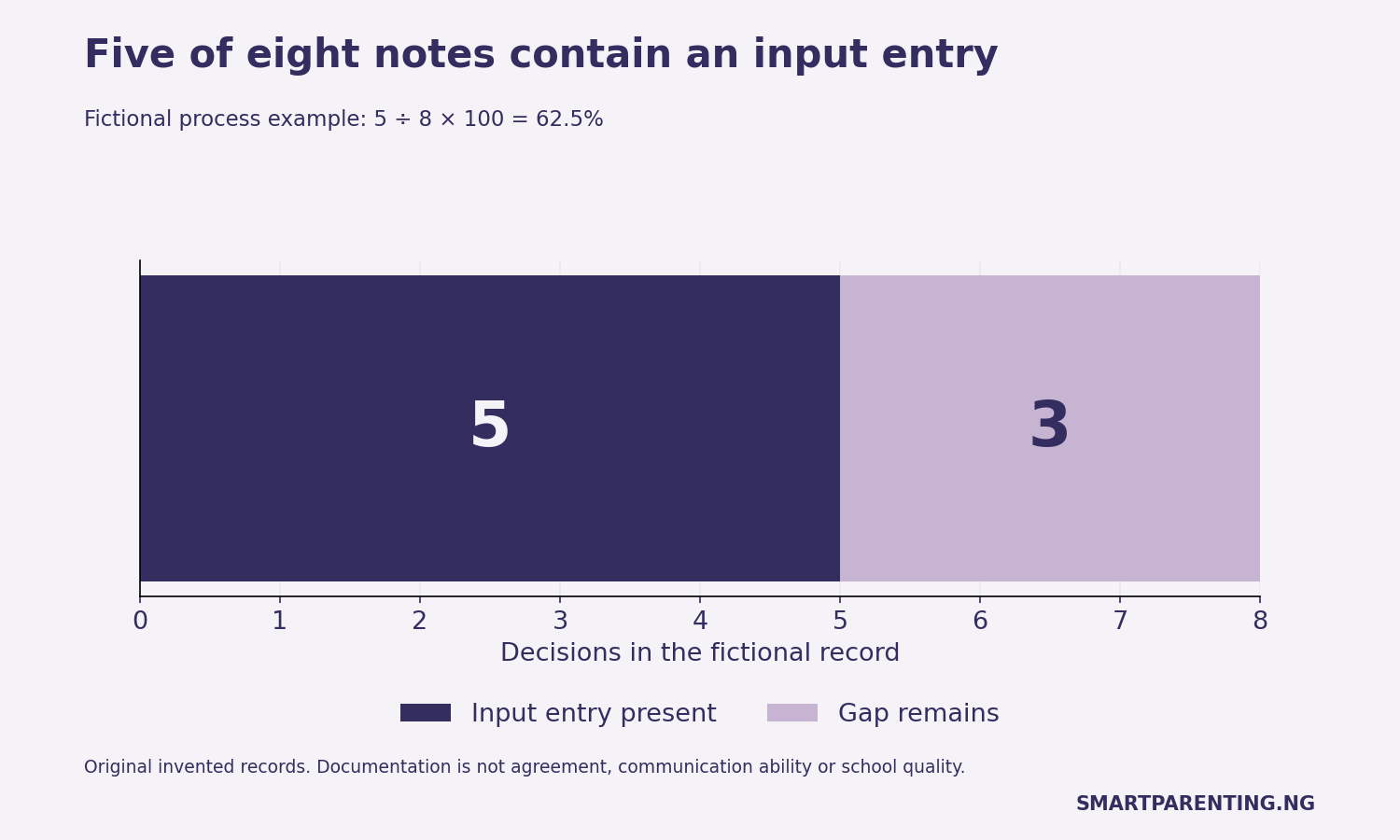
A completed field may still be vague or wrongly interpreted. Consequently, review what the entry says as well as whether it exists. Similarly, a count cannot show that a child agreed, understood, felt comfortable or changed the outcome.
Download the private meeting tools
Use the blank sheet on paper or in a local spreadsheet. Avoid names, school identifiers, diagnoses and other identifying details in any copy shared beyond the people who need it. Keep the family’s working document private. This website does not ask you to submit it.
- Review evidence and denominator notes (CSV): source-linked counts, dates and limits.
- Blank school-decision meeting sheet (CSV): eight empty rows for private use.
- Fictional eight-decision worked example (CSV): invented entries that demonstrate the calculation.
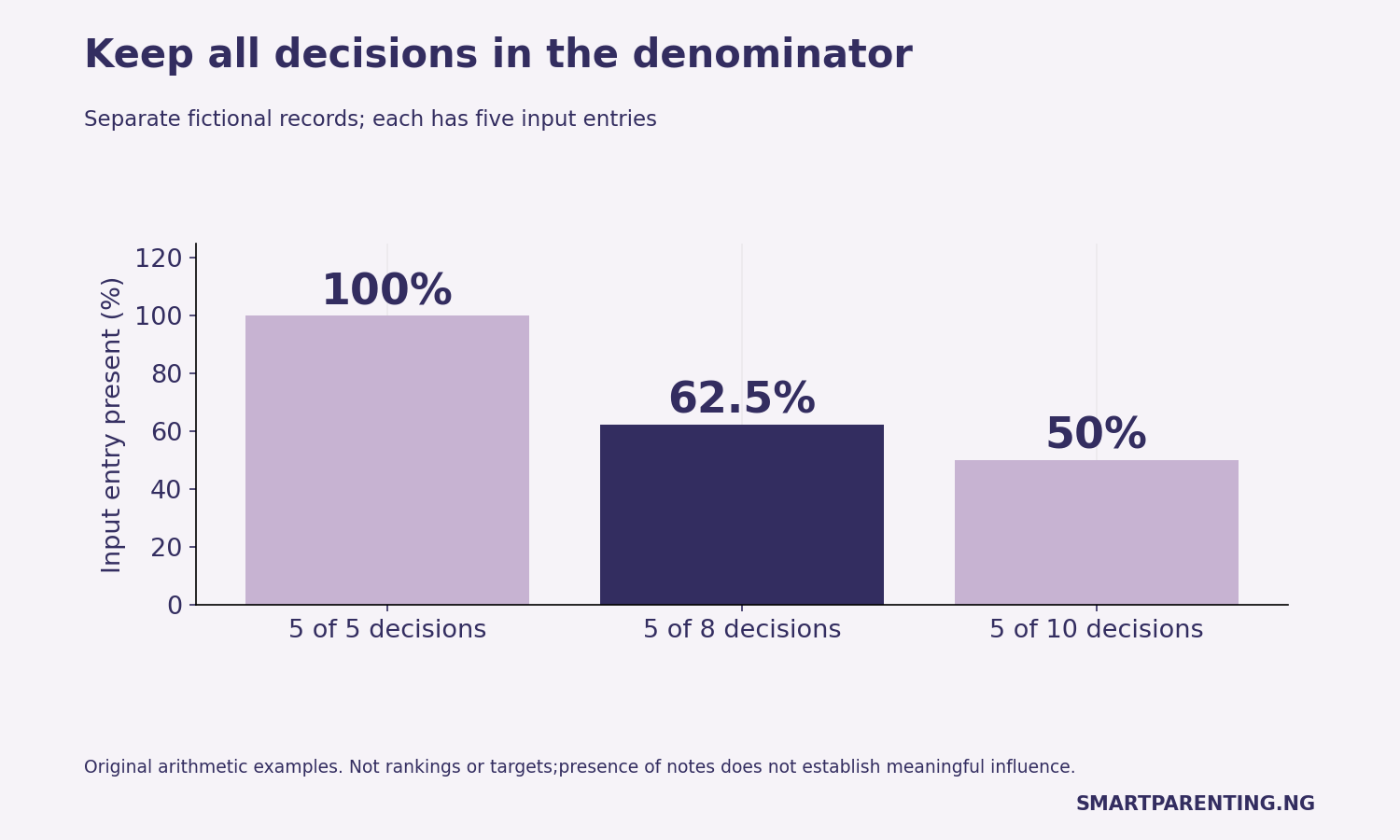
- Documentation denominator examples (CSV): the arithmetic behind the final chart.
To be clear, the worked example is not a child’s record. We invented its decisions and communication details for explanation. Replace its questions with the actual meeting’s concerns; do not copy its interpretations into a real child’s notes.
Questions to take to the meeting
- How do the notes represent the child’s own communication alongside adult reports?
- Which entries are direct observations, and which are interpretations?
- What context or alternative explanation needs checking?
- Who can clarify the established communication method?
- How will a pause or refusal be recognised and respected?
- Who owns the next step, and when will the family hear back?
For a separate learning topic, our home reading support research guide also distinguishes a routine log from a child’s learning assessment. Neither resource replaces individual educational or communication support.
Methods, reuse and limits
We checked the full primary review on 6 November 2026. The research summaries and source-linked CSV distinguish records, studies and unique participants. The five charts are newly drawn; the private worksheet, illustration and worked examples are original editorial assets. We attribute source material under CC BY 4.0; we reproduce no source figure.
We have not validated the practical sheet. Its documentation count cannot measure participation quality or clinical outcomes. Local language, resources and the child’s circumstances need individual consideration. The requested communications review was approved before publication on 6 November 2026.


