




Identifying and Assessing Homesickness
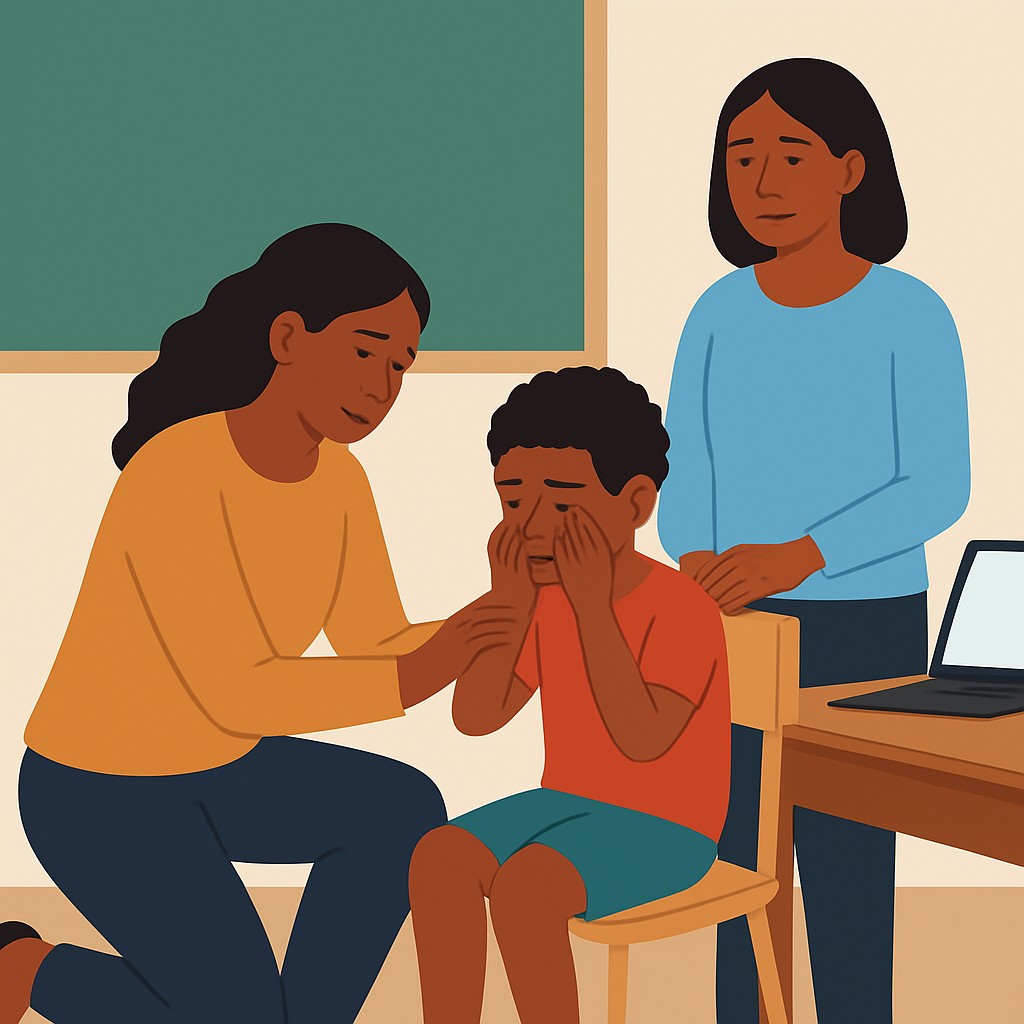
Homesickness can show in feelings and behaviors at school.
Observe changes in mood, energy, and engagement.
Note how long feelings persist.
Emotional Signs
- Child may appear tearful or frequently sad.
- Child may express worry about home or loved ones.
- Child may withdraw from peers or avoid activities.
- Child may show anger or irritability more than usual.
Additionally note how long these emotions persist.
Physical Signs
- Child may complain of headaches or stomachaches.
- Child may have trouble sleeping or changes in appetite.
- Child may show low energy or frequent fatigue.
Also monitor physical symptoms alongside emotional changes.
Age Differences in Expression
Younger children often show visible separation behaviors.
They may seek adults or comfort objects more often.
School-age children may show mood changes and classroom withdrawal.
Older children may hide feelings and use humor or silence.
Age affects how adults can support communication.
When It Becomes a Concern
Homesickness is concerning when it persists for many days.
Also concern arises if symptoms interfere with learning or friendships.
Additionally seek help if physical symptoms are severe or worsening.
Urgent attention is necessary if a child expresses hopelessness or harm.
How to Assess at School
Observe patterns over time rather than single moments.
Parenting Made Just for You
Get personalized Parenting Solutions tailored to your child’s needs. Transform your parenting journey with expert guidance in 1-3 days.
Get StartedAlso record when symptoms occur and what triggers them.
Talk with the child in a calm private space to gather their perspective.
Then communicate with caregivers to share observations and listen.
Finally monitor changes and adjust support as needed.
Prepare at Home Before School
This section lists steps families can use before school starts.
The suggestions promote calm and predictable transitions at home.
Follow simple guidance to build a child’s confidence.
Overview
Preparing at home helps a child feel safer before starting school.
Small predictable steps build confidence and ease separation.
Use routines to make mornings and departures more reliable.
Gradual Separation
Begin with brief separations at home or nearby settings.
Next, increase separation time as the child shows comfort.
Create a simple goodbye ritual to keep transitions calm.
Practice Steps for Gradual Separation
- Start with one short outing while another caregiver stays nearby.
- Then leave for a few minutes and return consistently.
- Eventually, extend time according to the child’s comfort.
Role-Play Practice
Use pretend play to rehearse arriving and saying goodbye.
Unveil the Perfect Name that Tells Your Family's Story
Let us help you find a name that embodies your family's values, traditions, and dreams. Our personalized consultation weaves cultural insights to create a name that's uniquely yours.
Get StartedAct out common school routines with toys or puppets.
Encourage the child to practice phrases that express feelings.
- Model calm breathing and brief comforting words.
- Prompt the child to say a short goodbye phrase they like.
Packing Familiar Comfort Items
Choose a small, familiar item that the child can carry easily.
Involve the child in selecting and packing the item each morning.
Add a brief note or photo when the child likes that idea.
- Select items that fit school rules and classroom needs.
- Prefer items that are calming rather than noisy or fragile.
Setting Predictable Routines
Create a consistent morning and bedtime routine that supports school days.
Preview the day’s plan together the night before or the morning of.
Keep routines simple, visual, and achievable for the child.
- Use the same sequence of tasks for mornings and departures.
- Allow extra time during transitions to reduce rushing stress.
Putting Plans Into Practice
Coordinate plans with other caregivers and the school team when possible.
Keep expectations flexible as the child adjusts gradually.
Celebrate small steps to reinforce the child’s progress and confidence.
Create a Home Away from Home at School
Create a comforting space for a child at school.
Use small, familiar items to reduce anxiety during the day.
Coordinate with school staff to make adjustments respectfully.
Photos and Visual Reminders
Photos bring familiar faces into the school environment.
Create a small, durable photo display near the child’s workspace.
Rotate images regularly so the display stays meaningful and fresh.
Favourite Clothes and Foods
Allowing favourite clothes can provide comfort during school hours.
Agree on classroom-friendly clothing options with school staff.
Favourite foods can connect a child to home memories.
Discuss safe ways to include favourite foods in school meals.
Familiar Rituals and Sensory Cues
Simple rituals at school can echo comforting home moments.
Keep rituals brief so they fit within the school day.
Sensory cues like textures or quiet sounds can soothe a child.
Confirm that any sensory cue suits the classroom environment.
Practical Steps for Implementing at School
Talk with teachers and staff about respectful ways to include home elements.
Involve the child when selecting which items to keep at school.
Make adjustments discreet to avoid drawing extra attention from peers.
Consider these elements when creating a comforting school space.
- Photos and collages
- Comfortable clothing options
- Familiar food choices
- Short classroom rituals
- Sensory cues that calm
You Might Also Like: What To Do When School Starts Feeling Overwhelming
Establish Communication Routines
Establish clear routines for staying in contact between home and school.
Share the plan with caregivers and the child.
Use consistent methods so everyone knows what to expect.
Agree on Check-in Times
Discuss and set agreed check-in times with the child and caregivers.
Include caregivers in the scheduling conversation to ensure shared understanding.
Decide who will initiate each check-in and note the preferred times.
Use Regular Calls
Schedule regular calls to provide voice contact between home and school.
Set predictable times so calls fit daily routines.
Confirm who will call and how often to avoid confusion.
Send Letters and Voice Notes
Send letters to provide a tangible reminder from home.
Alternatively, exchange voice notes for quick personal messages.
Accept both formats so the child feels supported in different ways.
Encourage Preferred Language
Encourage the child to express themselves in their preferred language.
Accept written and spoken messages in that language without judgment.
Allow the child to choose the form that feels most comfortable.
See Related Content: How to Navigate Parenting in Nigeria’s Digital Age
Partner with School Staff
Work with school staff to support the child.
Share background information and current concerns early.
Maintain clear and brief updates between staff and parents.
Inform Teachers Early and Clearly
Contact the child’s teacher to share background and current concerns.
Arrange a brief meeting in person or by phone.
Explain simple ways the child calms down.
Give clear guidance about routines that matter at school.
Agree on a quick method for teacher updates to parents.
Set Up Simple Support Plans
Work with staff to create a short and clear support plan.
Include one or two calming steps the child can use easily.
Identify a safe space the child may visit briefly.
List who will respond when the child needs comfort.
Share the plan with all relevant staff in writing.
- Quick calming steps for immediate use.
- Designated safe space and brief visits.
- Staff contact for urgent comfort needs.
- Review points for modifying the plan.
Use Class Buddies
Pair the child with a consistent class buddy for support.
Choose a buddy who naturally shows patience and empathy.
Explain the buddy role and healthy boundaries to both children.
Provide simple prompts the buddy can use to help transitions.
- Greet the child on arrival.
- Offer company during group activities.
- Invite the child to play at break times.
Monitor Progress with the School Counsellor
Maintain agreed check-in times with the school for updates.
Schedule regular short meetings with the counsellor to review progress.
Share observations from both home and school during meetings.
Use these reviews to refine the support plan over time.
Ask the counsellor for guidance on next steps when needed.
- Changes in the child’s emotional responses.
- Effectiveness of calming steps and buddy support.
- Any new concerns that require different actions.
- Recommendations for continued home and school coordination.
Uncover the Details: How Nigerian Parents Can Manage Stress and Avoid Burnout
Strengthen Peer Relationships and Social Skills
Start by noticing the child’s interests and social strengths.
Plan small play dates or group activities to reduce overwhelm.
Teach short coping strategies for crowded or noisy settings.
Facilitate Friendships
Next, encourage shared activities that match those interests.
Also, coach simple ways to start conversations and join groups.
Then, suggest short, achievable social tasks to build confidence gradually.
Additionally, model friendly behaviour and praise small social efforts.
Organise Play Dates and Group Activities
Furthermore, choose inclusive activities that allow multiple roles.
Also, keep sessions short and predictable to build trust.
Then, prepare the child with a simple schedule and expected behaviors.
Afterwards, follow up with a positive comment or reflection together.
- Shared art projects encourage cooperation and creativity.
- Outdoor play allows natural interaction and movement.
- Cooperative games teach turn taking and teamwork.
- Story sharing helps children connect over ideas and feelings.
Teach Coping Skills for Social Settings
First, practice calming techniques like slow breathing and brief breaks.
Next, role-play common social situations and rehearse responses.
Also, teach simple problem solving steps to handle conflicts respectfully.
Finally, encourage the child to ask for help when needed.
- Pause and breathe before responding.
- Use a calm voice to express needs.
- Ask to join or offer to share activities.
- Take a quiet break when feelings escalate.
Delve into the Subject: Understanding and Supporting Children With Special Needs in Nigeria
Leverage Family and Community Resources
Use family and community resources to support the child.
Include close relatives, religious mentors, and trusted neighbours when appropriate.
Coordinate help so the child feels safe and understood.
Potential Supporters
Extended family can provide extra emotional support and familiar voices.
Religious mentors can offer spiritual comfort when appropriate.
Trusted neighbours can provide casual check ins and friendly presence.
Ways They Can Help
Listen attentively and validate the child’s feelings without judgment.
Also, offer one on one time that builds trust and belonging.
Additionally, accompany the child to local activities to expand community connections.
Model calm reactions and simple coping strategies during conversations.
Finally, respond consistently to reinforce the child’s sense of stability.
Coordinate Support Thoughtfully
First, agree on roles and simple expectations among caregivers and helpers.
Next, maintain clear boundaries about privacy and the child’s comfort levels.
Also, choose a small number of consistent supporters to avoid confusion.
Finally, check in regularly to adapt support as the child’s needs change.
Respect Cultural and Family Preferences
Respect family values and traditions when inviting outside support.
Additionally, ensure the child feels comfortable with each supporter before involvement.
Moreover, adapt support to match the child’s age and emotional readiness.
Know When to Escalate
Earlier sections described common signs briefly.
Consider escalation when home communication and school support fail to help.
Start by clarifying the child’s needs and the goals for change.
Recognizing When More Help Is Needed
- Observe persistent distress that interferes with daily school activities.
- Notice worsening mood, prolonged withdrawal, or loss of interest in activities.
- Watch for sleep or appetite changes that do not improve over time.
- Be alert to talk or actions that suggest self-harm or severe anxiety.
Options for Counselling and Support
First, consult the school counsellor for initial assessment and short-term support.
- School counsellors coordinate with teachers and monitor progress.
- Child therapists provide targeted individual therapy for emotional challenges.
- Family therapy addresses relational patterns and supports household adjustments.
- Group sessions help children learn coping skills from peers.
- Remote counselling can increase access when in-person options are limited.
- Choose options collaboratively and match them to the child’s comfort.
Evaluating Long-Term Adjustments to Schooling or Living Arrangements
- Gather input from the child, caregivers, and professionals before deciding.
- Consider trial periods for any major change to test suitability.
- Weigh benefits and challenges of different schooling or living setups.
- Discuss potential administrative or logistical steps with relevant parties.
- Monitor the child’s response and adjust plans based on clear indicators.
Making Decisions Collaboratively
Involve the child in age-appropriate discussions about options and plans.
Also, schedule regular reviews to reassess needs and progress.
Finally, ensure any changes prioritize the child’s emotional safety and stability.
Additional Resources
Google search results for How To Support A Child Who Misses Home In School Parenting Challenges
Bing search results for How To Support A Child Who Misses Home In School Parenting Challenges


