



Understanding the Emotional and Physical Changes During Pregnancy
Emotional Changes Expectant Parents Experience
Pregnancy brings a wide range of emotions for Nigerian parents.
Expectant mothers like Chiamaka often feel joy and excitement as the baby grows.
However, they may also experience anxiety about the future and parenting.
Additionally, hormonal fluctuations cause mood swings throughout pregnancy.
Support from partners and family members helps reduce emotional stress.
Moreover, attending prenatal classes provides reassurance and valuable information.
It is important to communicate feelings openly with trusted loved ones.
In Lagos, counseling services like those offered at Hope Family Clinic support expectant parents.
Physical Changes Women Typically Encounter
Physically, the body undergoes significant transformations to accommodate the growing baby.
Common symptoms include morning sickness, fatigue, and back pain.
Pregnant women such as Amina notice changes in appetite and food preferences too.
Furthermore, hormonal surges affect skin and hair condition during pregnancy.
The belly expands gradually, increasing pressure on internal organs.
Swelling in feet and ankles is also a frequent physical change.
Regular check-ups at facilities like Zenith Medical Centre help monitor these changes closely.
Parenting Made Just for You
Get personalized Parenting Solutions tailored to your child’s needs. Transform your parenting journey with expert guidance in 1-3 days.
Get StartedWays to Manage Emotional and Physical Changes
Expectant parents should prioritize self-care to manage both emotional and physical shifts.
Engaging in light exercises like walking improves physical health and mood.
Likewise, practicing relaxation techniques eases anxiety and promotes mental calm.
Nutritionally balanced meals support the body’s increased demands during pregnancy.
Support groups, such as the Abuja Mothers Circle, offer emotional connection and shared experiences.
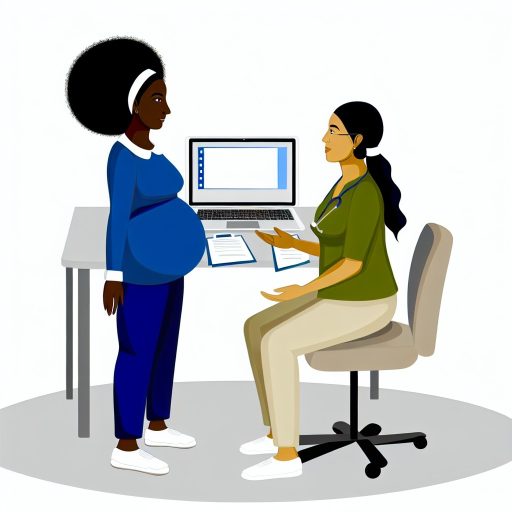
Additionally, open discussions with obstetricians ensure timely handling of symptoms.
Consistent rest and hydration remain crucial throughout the pregnancy journey.
Essential Prenatal Healthcare
Importance of Early and Regular Prenatal Visits
Start your prenatal care as soon as you confirm your pregnancy.
Consistent visits help monitor your baby’s growth and your health.
Healthcare providers can detect and address complications early.
Moreover, they provide guidance on nutrition, exercise, and lifestyle.
Trust in regular check-ups to ensure a healthy pregnancy journey.
Basic Prenatal Tests and Screenings
Your healthcare provider will recommend important tests and screenings.
Common tests include blood pressure, urine analysis, and blood screening.
Unveil the Perfect Name that Tells Your Family's Story
Let us help you find a name that embodies your family's values, traditions, and dreams. Our personalized consultation weaves cultural insights to create a name that's uniquely yours.
Get StartedUltrasound scans help track fetal development effectively.
Screenings for infections such as malaria and HIV are essential in Nigeria.
Furthermore, these tests help prepare for any special care your baby might need.
Nutrition and Lifestyle Recommendations
Eat a balanced diet rich in vitamins and minerals.
Focus on foods high in folic acid, iron, and calcium.
Stay hydrated by drinking plenty of clean water daily.
Avoid alcohol, tobacco, and harmful drugs during pregnancy.
Light exercise and rest contribute positively to your wellbeing.
Finding a Reliable Nigerian Healthcare Provider
Choosing the Right Hospital or Clinic
Look for hospitals with certified maternity services, such as Grace Maternity Hospital in Abuja.
Check if the facility has experienced obstetricians and midwives.
Consider proximity to your home for easier access during emergencies.
Read reviews and ask for recommendations from trusted family and friends.
Additionally, inquire about the availability of emergency care and newborn facilities.
Verifying Credentials and Experience
Confirm that medical staff are properly licensed by Nigerian health authorities.
Doctors like Dr. Ifeanyi Nwosu are well-regarded for prenatal expertise.
Experienced providers understand cultural sensitivities and patient needs.
Ensure the clinic follows hygienic practices and uses modern equipment.
Quality care depends greatly on the skill and professionalism of your healthcare team.
Understanding Costs and Payment Options
Discuss the cost of prenatal visits, tests, and delivery upfront.
Some hospitals like Sunrise Women’s Hospital offer flexible payment plans.
Check if health insurance policies cover maternity services.
Consider community-based health programs available in your area.
Planning financially reduces stress and helps you focus on your baby’s health.
Nutrition and Diet Tips Tailored for Expecting Nigerian Mothers
Importance of Balanced Nutrition During Pregnancy
Expecting mothers must prioritize balanced nutrition to support both their health and their baby’s growth.
Proper nourishment reduces pregnancy complications and strengthens immunity.
In Nigeria, traditional diets offer many nutrient-rich options that benefit pregnant women.
Therefore, combining local foods with modern nutritional knowledge enhances maternal well-being.
Essential Nutrients for Nigerian Expecting Mothers
Protein Sources
Protein supports fetal development and repairs body tissues effectively.
Include sources like beans, eggs, fish, chicken, and meat in daily meals.
For example, amala with egusi soup is a rich protein combination that is locally popular.
Iron-Rich Foods
Iron helps prevent anemia, a common concern among Nigerian pregnant women.
Consume leafy greens such as ugu and ewedu, alongside red meat and liver.
Vitamin C-rich fruits like oranges improve iron absorption significantly.
Calcium and Vitamin D
These nutrients strengthen bones for both mother and baby.
Enjoy dairy products like milk and cheese or calcium-fortified foods.
Safe sun exposure in the mornings helps the body produce vitamin D naturally.
Folic Acid
Folic acid prevents neural tube defects in the developing baby.
Dark green vegetables, beans, and fortified cereals are excellent sources.
Pregnant women should also consider prescribed supplements from their healthcare provider.
Healthy Nigerian Meals for Pregnancy
Traditional Nigerian dishes can be adapted to enhance nutritional content.
For instance, prepare vegetable-rich stews with less oil and balanced portions of protein.
Incorporate a variety of grains like rice, yam, or millet to provide energy.
Avoid excessively fried foods, which may cause indigestion and excessive weight gain.
Hydration is equally important; drink plenty of clean water and fresh fruit juices.
Foods to Limit or Avoid
- Avoid excessive intake of caffeine and sugary drinks that may harm fetal development.
- Limit heavily processed or salty snacks to reduce high blood pressure risk.
- Steer clear of unpasteurized dairy and undercooked meat to prevent infections.
- Minimize consumption of palm oil-heavy meals to balance fat intake.
Incorporating Local Herbs and Practices Safely
Many Nigerian mothers use herbs like scent leaves and bitter leaves during pregnancy.
Always consult a trusted healthcare provider before using traditional herbs.
Some herbs offer nutritional benefits, while others may cause side effects or interfere with medications.
Combining traditional wisdom with modern medical advice ensures safe pregnancy practices.
Find Out More: The Role of Prenatal Care in Ensuring a Healthy Pregnancy
Building a Support System
Role of Family in Nigerian Culture
Family plays a central role in Nigerian society and child-rearing practices.
Expectant parents often receive guidance from elders such as parents and grandparents.
Moreover, aunts and uncles actively participate in preparing for the baby’s arrival.
This support includes practical help, advice, and emotional encouragement.
For example, Mrs. Olufunke Alade shared how her mother’s advice eased her first pregnancy.
Likewise, uncles may assist in naming ceremonies and community introductions.
Subsequently, familial involvement strengthens bonds and nurtures the infant’s environment.
Community Involvement and Its Importance
The larger community also contributes significantly to supporting new parents.
Neighborhood friends, religious groups, and local women’s associations often provide assistance.
They offer resources such as baby clothes, food, and caregiving tips.
Furthermore, community elders share cultural knowledge important for child upbringing.
In addition, communal celebrations like naming ceremonies foster a sense of belonging.
Many parents find comfort knowing others share the responsibility of raising a child.
As a result, new parents feel less isolated and more confident during the transition.
Effective Ways to Build Your Support Network
Start by openly communicating your needs with family members and close friends.
Attend local prenatal classes or community gatherings to connect with other parents.
Join groups like the Lagos Mothers’ Club or similar regional organizations.
Additionally, involve your partner in discussions to strengthen mutual support.
Maintain regular contact with experienced parents like Mrs. Ifeoma Okeke for guidance.
Finally, embrace cultural practices that encourage collective involvement for your child’s welfare.
Explore Further: How to Stay Active and Healthy During Your Pregnancy Journey
Preparing your home: Creating a safe and comfortable nursery
Choosing the right location
Begin by selecting a quiet and well-ventilated room for the nursery.
Make sure it receives ample natural light during the day.
Additionally, consider proximity to your bedroom for convenience at night.
Ensure the room has electrical outlets placed safely away from the crib area.
Furnishing the nursery
Start with a sturdy crib that meets safety standards approved in Nigeria.
Choose a firm mattress with a fitted sheet to reduce suffocation risks.
A comfortable rocking chair or recliner can help during feeding and soothing.
Include storage units for clothes, diapers, and baby essentials to stay organized.
Opt for non-toxic paints and materials to protect your baby’s health.
Maintaining safety in the nursery
Install window guards or locks to prevent accidents.
Cover electrical outlets with safety plugs to avoid shocks.
Keep small objects and choking hazards out of the baby’s reach.
Anchor heavy furniture securely to the wall to prevent tipping.
Regularly check for loose cords or strings that could pose strangulation risks.
Creating a comfortable environment
Maintain a consistent room temperature between 22 and 26 degrees Celsius.
Use blackout curtains to help your baby sleep during daylight hours.
Install a soft nightlight to provide gentle illumination without disturbing sleep.
Choose washable rugs and fabrics for easy cleaning and hygiene.
Personalizing the nursery
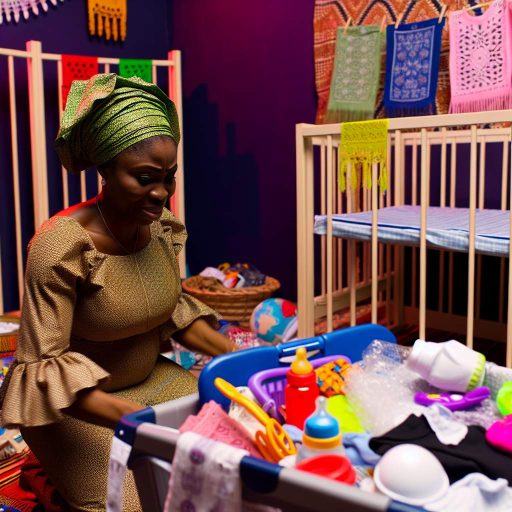
Add cultural touches like local artwork or traditional fabrics to the room.
Incorporate soothing colors such as soft blues, greens, or warm neutrals.
Introduce a few plush toys or mobiles for visual stimulation.
Invite family members like Aunty Kemi or Uncle Emeka to contribute special items.
Delve into the Subject: Why Rest and Relaxation Are Crucial for Expecting Nigerian Moms
Budgeting for Baby Expenses
Estimating Essential Costs
Preparing financially for your first baby helps reduce stress.
First, identify essential baby items to prioritize your spending.
Essentials include diapers.
Baby clothes are also important.
Feeding bottles should be included.
You will need a crib as well.
Additionally, consider medical expenses such as prenatal visits.
Vaccinations also require budgeting.
Unexpected expenses can occur.
It is wise to set aside a contingency fund.
Creating a Practical Budget
Start by listing all expected baby-related expenses.
Next, allocate a reasonable amount to each category based on local prices.
Track your spending to avoid overspending on non-essential items.
Regularly update your budget as you learn more about your baby's needs.
Moreover, involve your partner in budgeting decisions for better planning.
Navigating Nigerian Market Options
Choosing Reliable Suppliers and Stores
Accessing trusted suppliers can help you find quality baby products.
Visit reputable stores such as BabyWorld Lagos or KidsParadise Abuja.
Local markets like Balogun Market offer affordable options.
You must select items carefully at local markets.
Online platforms like Jumia and Konga provide convenience and competitive prices.
Always verify product reviews and seller ratings before purchasing online.
Finding Affordable Baby Products
Consider purchasing gently used baby items to save money.
Mothers' support groups often organize baby item exchanges or sales.
Look out for seasonal sales and discounts in popular stores.
Buy in bulk for disposable items like diapers to reduce costs.
Furthermore, prioritize safety and quality over brand names when choosing products.
Utilizing Community Resources
Community health centers offer affordable or free prenatal services.
They also provide postnatal services.
Local NGOs sometimes provide baby care materials and educational support.
Seek advice from experienced parents in your community.
Their guidance can help you find cost-effective solutions.
Parenting workshops in Lagos and Abuja can enhance your budgeting knowledge.
Engaging with community resources boosts your confidence during your parenting journey.
Discover More: Preparing for Parenthood: Essential Tips for Expecting Nigerian Moms and Dads

Choosing Traditional and Modern Baby Care Practices in Nigeria
Importance of Balancing Practices
Nigerian parents often blend traditional and modern baby care methods.
This blend respects cultural heritage while embracing new knowledge.
Therefore, striking a balance helps provide the best for your child.
It also addresses health and emotional well-being effectively.
Common Traditional Baby Care Practices
Traditional care focuses on ancestral wisdom passed through generations.
One popular practice is the use of herbal baths to protect babies from illness.
For instance, Amina, a midwife in Ibadan, recommends herbal steam baths.
Many families also practice infant massage to stimulate growth and bonding.
Additionally, some use culturally significant amulets for spiritual protection.
Advantages of Traditional Methods
Traditional practices promote a deep connection to cultural identity.
They often involve natural ingredients with minimal chemical exposure.
Moreover, these methods foster family unity through shared rituals.
Also, they provide comfort and familiarity to both parents and infants.
Modern Baby Care Practices in Nigeria
Modern care adopts global health recommendations and medical advances.
For example, pediatric vaccinations protect infants from common diseases.
Parents like Uche embrace formula feeding when breastfeeding is challenging.
Use of sterilized baby bottles and environmental hygiene is emphasized.
Moreover, many consult licensed pediatricians regularly to monitor growth.
Benefits of Modern Baby Care
Scientific research backs modern baby care methods for safety and efficacy.
They reduce infant mortality rates when properly followed.
Furthermore, modern hygiene standards prevent infections effectively.
Also, technology enables early diagnosis and treatment of health concerns.
Choosing Suitable Baby Care Practices
Parents should evaluate the suitability of each method for their family.
Consulting professionals like nurses and pediatricians can provide guidance.
Also, consider your child’s health needs and local environment carefully.
Open communication with elders helps preserve valuable traditions respectfully.
Finally, remain flexible and willing to adapt as your baby grows.
- Discuss traditional methods with healthcare providers for safety checks.
- Select herbal remedies verified by trusted midwives and health experts.
- Combine breastfeeding support with advice on modern nutrition supplements.
- Maintain hygiene practices alongside traditional rituals gently.
- Encourage community support while embracing medical advice wherever necessary.
This integration empowers Nigerian parents to nurture their babies holistically.
Planning for Childbirth: Hospital Options and Birth Attendants in Nigeria
Choosing the Right Hospital for Delivery
Nigeria offers a variety of hospitals for childbirth.
The options range from public to private hospitals.
Most expectant mothers prefer reputable hospitals with modern maternity wards.
Private hospitals like St. Gabriel Medical Center in Lagos provide personalized care.
Additionally, government hospitals such as University Teaching Hospital Ibadan offer affordable services.
Consider the hospital’s proximity to your home for quick access during labor.
Moreover, check if the facility has a well-equipped neonatal intensive care unit.
Many hospitals require early registration for antenatal care to secure a delivery slot.
Therefore, visit the hospital early to discuss your birth plan with the medical team.
Understanding Different Types of Birth Attendants
Nigerian mothers can choose from various birth attendants depending on their needs.
Consultant Obstetricians and Gynecologists
Consultants provide expert care for complicated pregnancies and deliveries.
They usually work in tertiary hospitals and private clinics.
Expect careful monitoring and advanced medical interventions if needed.
Midwives and Nurse-Midwives
Midwives handle most normal deliveries, especially in public hospitals and clinics.
They provide routine antenatal checks and guidance throughout pregnancy.
Midwife-led care encourages natural birth and postnatal support.
Traditional Birth Attendants (TBAs)
TBAs remain popular, especially in rural areas or among certain communities.
They offer home delivery services based on experience and cultural knowledge.
However, TBAs might lack access to emergency medical facilities.
Therefore, it is important to evaluate the risks before choosing a TBA.
Important Factors When Selecting Birth Facilities and Attendants
Evaluate each option based on your health needs and preferences.
Consider the type of birth you desire: hospital or home delivery.
Check whether the attendants are licensed and recognized by Nigerian medical boards.
Ensure that emergency services are readily available in case of complications.
Ask about the presence of a companion or family support during delivery.
Also, verify the hospital’s hygiene standards and reputation for maternal care.
Lastly, discuss costs upfront to avoid unexpected expenses during childbirth.
Legal and Administrative Steps
Birth Registration Process
After birth, immediately register your baby at the nearest National Population Commission (NPC) office.
Registration must occur within 60 days to avoid penalties.
Bring the hospital or midwife’s birth notification letter when you visit the registration center.
Additionally, parents should carry valid identification like a National ID card or voter’s card.
The registration officer will enter your baby’s details into the national database.
Make sure all personal information is accurate to avoid future complications.
Obtaining the Birth Certificate
Once registered, apply for an official birth certificate from the NPC office.
The certificate serves as a legal proof of identity and citizenship for your child.
You may pay a small administrative fee to receive the certified document.
Processing time can vary but generally takes a few days to a few weeks.
Consider requesting several copies to use for school admissions, passports, and other purposes.
Importance of Early Registration
Registering your baby promptly ensures access to healthcare, education, and social services.
Furthermore, it protects your child’s rights under Nigerian law.
Without registration, your child may face difficulties during official procedures.
Timely action prevents delays in accessing government benefits and international travel documents.
Additional Administrative Formalities
Inform your employer or community leader about the birth to update family records.
Also, consider enrolling your child in the National Health Insurance Scheme early.
Stay informed about local government requirements as these may vary by state.
Postnatal Care in the Nigerian Context
Managing Physical Recovery After Birth
Many Nigerian mothers face unique challenges during postnatal recovery.
It is essential to rest adequately to allow the body to heal properly.
Healthcare providers like Lagos-based midwife Grace Nwosu emphasize the importance of hydration.
Moreover, balanced nutrition supports faster recovery and better energy levels.
Women should seek timely medical attention for complications such as excessive bleeding or high fever.
Local herbs and traditional remedies often complement modern treatments but consult a health worker first.
Physical activity should be gradually introduced once the body feels strong enough.
Family members play a vital role by assisting with household chores during this period.
Support groups like the Abuja Mothers Circle offer guidance and emotional support to new moms.
Newborn Care Practices in Nigerian Households
Newborn care varies widely depending on cultural beliefs and regional practices.
Skin-to-skin contact is encouraged by pediatricians such as Dr. Tola Adekoya in Ibadan.
Exclusive breastfeeding remains the ideal feeding method for at least six months.
In some communities, caregivers use herbal baths to calm and cleanse the baby.
Vaccinations provided at local clinics protect infants from common illnesses.
Parents should maintain good hygiene to prevent infections commonly seen in tropical climates.
Temperature control is crucial due to Nigeria’s hot weather and seasonal variations.
Sleeping arrangements often involve co-sleeping, fostering bonding but requiring safety precautions.
Experienced grandmothers, such as Mrs. Bamidele Ojo, often share wisdom on soothing and feeding techniques.
Emotional Support for New Parents
Adjusting to new parenthood brings emotional challenges and joys alike.
It is normal to feel overwhelmed and seek help from loved ones.
Husbands have a growing role in offering hands-on childcare and emotional encouragement.
Many Nigerian churches and mosques provide counseling services for new families.
Open communication between partners reduces stress and enhances cooperation.
Workplaces in cities like Abuja increasingly recognize the need for parental leave policies.
Community leaders advocate for mental health awareness during the postnatal period.
Professional counselors such as Mrs. Ifeoma Eke support mothers experiencing postpartum depression.
Access to Healthcare and Resources
Postnatal visits to healthcare centers ensure both mother and baby stay healthy.
Government initiatives like the Lagos State Maternal Health Program improve clinic accessibility.
Mobile health apps such as “MamaCare Nigeria” help track vaccination schedules and growth milestones.
Affordable transport options remain a challenge in rural areas.
Local NGOs including MotherHope provide essential supplies and education.
Telemedicine is emerging as a helpful tool for remote consultations by doctors like Dr. Emeka Chukwu.
New parents should register their babies promptly for birth certificates and healthcare cards.
Financial assistance programs sometimes offer relief for families during the early months.
Additional Resources
If I Had Given Him Just One Bottle, He Would Still Be Alive. – Fed Is …
6 things to expect with babies with Down syndrome | Pediatrics …