



The Importance of Introducing Arts and Crafts to Nigerian Children at an Early Age
Fostering Creativity and Imagination
Introducing arts and crafts empowers Nigerian children to explore their creativity freely.
Through creative activities, children learn to think outside the box and imagine new possibilities.
Moreover, arts and crafts spark curiosity that enhances problem-solving skills.
Consequently, children develop a strong foundation for innovative thinking.
Enhancing Cognitive and Motor Skills
Engaging in arts and crafts improves children’s hand-eye coordination and fine motor skills.
At the same time, these activities encourage concentration and attention to detail.
Therefore, children become better equipped to perform tasks requiring focus and precision.
Additionally, young learners boost their spatial awareness and memory through creative tasks.
Building Emotional Intelligence and Confidence
Arts and crafts provide children with a safe outlet to express their feelings and ideas.
Expressing emotions through art helps them develop empathy and emotional understanding.
Furthermore, completing creative projects boosts self-esteem and pride in their abilities.
As a result, children gain confidence to face challenges in other areas of life.
Promoting Cultural Awareness and Identity
Nigerian children learn about their rich heritage through traditional arts and crafts.
This knowledge connects them to their roots and builds a sense of belonging.
In addition, children appreciate diversity by exploring various cultural art forms across Nigeria.
Parenting Made Just for You
Get personalized Parenting Solutions tailored to your child’s needs. Transform your parenting journey with expert guidance in 1-3 days.
Get StartedUltimately, arts and crafts nurture respect for cultural identity and national pride.
Supporting Social Skills and Collaboration
Group arts projects encourage children to communicate and work together effectively.
Children learn to share ideas, negotiate, and support peers during collaborative tasks.
Such interactions strengthen friendships and foster teamwork abilities.
Consequently, children develop important social skills useful in academic and community settings.
Encouraging Lifelong Learning and Career Opportunities
Early exposure to arts and crafts lays the groundwork for future educational pursuits.
Children interested in creative fields can build relevant skills from a young age.
Moreover, arts education opens doors to careers in design, fashion, media, and more.
Therefore, nurturing art skills benefits children’s personal growth and professional options.
Popular Traditional Nigerian Art Forms and Crafts Suitable for Children
Introduction to Nigerian Traditional Arts
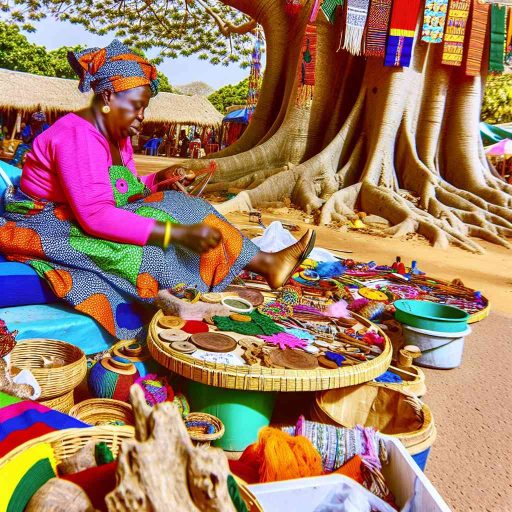
Nigeria has a rich heritage of traditional arts that reflect its diverse cultures.
Children can explore these arts to connect with their roots and develop skills.
Many traditional crafts are simple, colorful, and fun for young learners.
Moreover, these crafts encourage creativity and cultural appreciation.
Adire Tie-Dye
Adire is a traditional Yoruba fabric dyeing technique using indigo and resist methods.
Unveil the Perfect Name that Tells Your Family's Story
Let us help you find a name that embodies your family's values, traditions, and dreams. Our personalized consultation weaves cultural insights to create a name that's uniquely yours.
Get StartedChildren can experiment with folding and tying fabric to create unique patterns.
This art form teaches patience and pattern recognition while being enjoyable.
Additionally, it introduces kids to natural dyes and traditional textile design.
Beadwork Crafting
Beadwork is popular among several Nigerian ethnic groups such as the Igbo and Hausa.
Kids can string colorful beads to make simple bracelets and necklaces.
This activity enhances fine motor skills and color coordination.
Furthermore, they learn about the cultural meanings of beads in Nigerian societies.
Calabash Painting and Decoration
Calabash gourds have long been decorated with intricate patterns across Nigeria.
Children can paint or carve patterns on small calabash pieces or similar shells.
This craft is great for developing hand-eye coordination and artistic expression.
It also teaches respect for natural materials and traditional artistry.
Uli Art
Uli is a traditional art form from the Igbo culture that uses natural dyes for body and wall painting.
Young artists can create simple geometric designs using earth-based pigments.
This process encourages them to understand symmetry and cultural symbolism.
Moreover, it fosters appreciation for indigenous art and storytelling.
Leatherwork and Crafting Small Items
Leather crafting is a traditional skill among several Nigerian groups like the Hausa.
Children can try making keychains or simple leather patches using safe materials.
This activity teaches precision and introduces basic crafting tools.
It also shares the importance of leather in Nigerian history and fashion.
Wood Carving and Sculpture
Wood carving is a significant craft in Nigeria, particularly among the Yoruba and Igbo.
While using knives may be unsafe, children can work with soft wood or modeling clay.
This approach develops spatial awareness and three-dimensional thinking.
Furthermore, kids discover how artisans create traditional masks and figures.
Incorporating Storytelling in Crafts
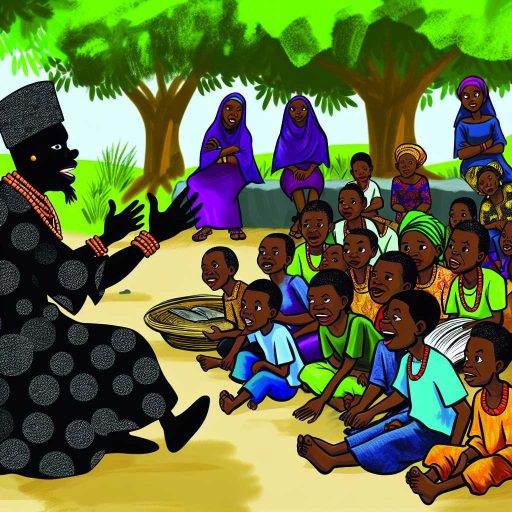
Many Nigerian crafts are linked to stories and proverbs passed down generations.
Teaching kids to tell stories while crafting deepens cultural understanding.
For example, bead patterns can represent historical events or moral lessons.
This method makes arts and crafts more meaningful and engaging.
Traditional Crafts Offering Creative and Cultural Growth for Children
- Adire tie-dye fabric painting
- Simple beadwork making
- Calabash painting and decorating
- Uli geometric pattern drawing
- Basic leather crafting items
- Safe wood carving or clay modeling
These crafts provide fun activities that build creative and cultural skills.
They also foster a lasting appreciation for Nigerian artistic traditions.
Basic Materials and Tools Needed for Kids to Start Creating Arts and Crafts at Home
Essential Art Supplies for Beginner Crafters
Start with simple materials that are safe for children's use at home.
Buy colored paper in bright and fun shades to spark creativity.
Include washable crayons and markers for easy and mess-free coloring.
Gather non-toxic glue sticks and child-safe scissors for basic crafting tasks.
Additionally, provide simple paint sets such as watercolors with brushes.
Use construction paper and plain white sheets for various craft projects.
Basic Tools to Encourage Creativity
Supply a child-friendly cutting mat to keep surfaces safe during projects.
Offer a ruler and a pencil to help with drawing straight lines and shapes.
Include tape dispensers with easy-to-tear tape rolls for assembling crafts.
Provide a small apron or old shirt to protect clothing while working.
Encourage children to keep their tools organized in a special art box.
Additional Craft Materials to Explore
Introduce beads, buttons, and sequins to add fun textures to projects.
Offer pipe cleaners and popsicle sticks for building and sculpting activities.
Include pieces of fabric or felt for collage and sewing crafts.
Finally, gather recyclable materials like cardboard and bottle caps for eco-friendly crafts.
Uncover the Details: The Importance of Playtime for Child Development in Nigeria
Step-by-step Activities that Combine Fun and Skill-building in Arts and Crafts
Preparing the Creative Space
Start by selecting a well-lit and spacious area to work in.
Arrange child-friendly materials within easy reach to encourage independence.
Use colorful mats or newspapers to protect surfaces from paint or glue spills.
Encourage children like Amara and Tunde to organize their tools before beginning.
This preparation helps build their responsibility and sets a positive tone.
Choosing Engaging Projects
Begin with simple crafts like paper folding or bead stringing to spark interest.
Introduce Nigerian themes such as traditional patterns to connect culture and creativity.
Offer a variety of projects, including mask making and fabric painting, to explore different skills.
Projects with bright colors and tactile materials keep children motivated and focused.
This variety also helps children like Chinedu discover their favorite craft types.
Guiding Through Each Step
Explain each activity clearly before starting to ensure understanding.
Demonstrate techniques slowly while encouraging children to ask questions.
Break tasks into smaller steps to maintain children’s confidence and interest.
Use positive reinforcement to celebrate progress, not just the final result.
Support from facilitators like Mrs. Okoro creates a trusting learning environment.
Encouraging Creativity and Problem Solving
Invite children to personalize their crafts using different colors and patterns.
Encourage experimentation with materials to develop flexibility and imagination.
When mistakes happen, guide children gently to find creative solutions.
Provide open-ended questions to stimulate thinking, such as “What else can you add?”
Fostering this mindset helps children become confident and innovative artists.
Sharing and Celebrating Artwork
Organize a mini exhibition where children display their finished crafts proudly.
Invite family members and friends to appreciate the children’s creativity and effort.
Encourage children to talk about their process and what they learned.
Use social media or local newsletters to share the art community-wide.
This celebration boosts self-esteem and motivates continuous skill development.
Find Out More: Weekend Fun: Affordable Family Day Trips Around Nigeria
How Arts and Crafts Enhance Creativity, Motor Skills, and Cultural Appreciation
Boosting Creativity in Nigerian Children
Arts and crafts inspire children to think outside the box.
They encourage imagination through experimenting with colors and shapes.
Furthermore, children learn problem-solving when they design projects independently.
This creative freedom builds confidence in expressing original ideas.
Consequently, creativity nurtured early can influence future career paths.
Developing Fine Motor Skills Through Hands-On Activities
Crafting requires finger precision and hand-eye coordination.
Activities like cutting, painting, and molding shapes enhance motor control.
Moreover, repeated practice improves dexterity crucial for writing skills.
Educators like Mrs. Amina Bello demonstrate how these skills support academic success.
Thus, arts and crafts act as a fun way to strengthen essential physical abilities.
Fostering Cultural Appreciation and Identity
Arts and crafts introduce children to Nigeria’s rich cultural heritage.
Kids explore traditional patterns, fabrics, and beadwork from different regions.
Local artisans such as Chinedu Okoro teach children how cultural art tells stories.
Additionally, crafting cultural artifacts deepens respect for diverse ethnic backgrounds.
Therefore, children develop pride and understanding of their Nigerian roots.
Key Benefits of Arts and Crafts in Child Development
- Arts nurture creative thinking and originality.
- Craft projects enhance fine motor development.
- Cultural crafts build identity and appreciation.
- Hands-on learning boosts confidence and focus.
Engaging children in arts and crafts opens pathways to holistic growth.
Parents and educators like Malika Ibrahim encourage regular creative activities.
Together, they prepare children for a bright and skillful future.
Discover More: The Benefits of Introducing Kids to Nigerian Folk Stories
Incorporating Storytelling and Nigerian Folklore into Arts and Crafts Projects
Engaging Children through Cultural Stories
Children connect deeply with stories that reflect their heritage.
Using Nigerian folklore captivates their imagination and sparks creativity.
Moreover, it helps children understand cultural values and traditions.
Teachers and parents can introduce tales featuring characters like Ijapa the tortoise.
Such stories provide exciting themes for art projects to come alive.
Designing Crafts Inspired by Folklore
Crafters can create masks inspired by traditional masquerades like Egungun.
These masks allow children to explore shapes, colors, and symbolism.
Additionally, storytelling about the Egungun spirits enhances the crafting experience.
Another idea is making animal figures from folklore using recycled materials.
This approach promotes environmental awareness alongside cultural education.
Using Storytelling to Teach Artistic Skills
Storytelling encourages children to follow step-by-step instructions creatively.
It also teaches patience and attention to detail through engaging narratives.
Crafting while listening to folk tales improves memory and communication skills.
Furthermore, children learn to express their understanding through visual arts.
Teachers like Mrs. Adeola use stories to guide art lessons successfully.
Integrating Community and Family Participation
Invite family members to share local folktales during crafting sessions.
Community elders often hold a wealth of stories worth preserving and passing on.
Engaging families strengthens children’s cultural identity and pride.
Shared storytelling moments foster intergenerational learning and bonding.
Consequently, children gain a holistic appreciation of their artistic heritage.
Recommended Folktales for Creative Projects
- The Tortoise and the Hare – illustrating cleverness and consequences.
- The Lion’s Whisker – teaching bravery and reconciliation.
- Why the Sky is Far Away – exploring curiosity and respect.
- Anansi the Spider tales – emphasizing wit and resourcefulness.
These stories offer vibrant themes that inspire exciting art creations.
Blending storytelling with crafts enriches children’s artistic and cultural learning.
Delve into the Subject: Encouraging Creativity with DIY Projects Using Local Materials
Organizing Community or School-Based Arts and Crafts Workshops for Children
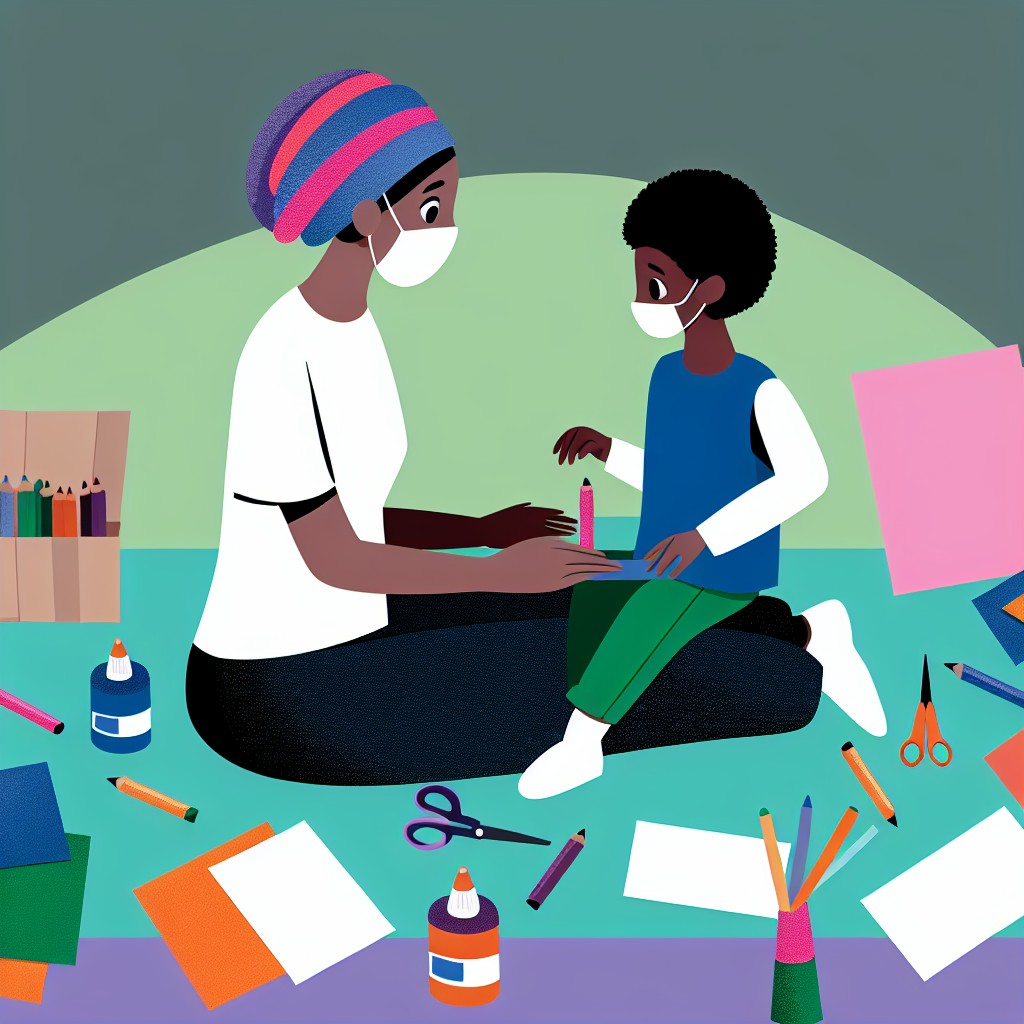
Planning Engaging Workshops
Begin by identifying the target age group for the arts and crafts workshops.
Research local interests and cultural themes to tailor the activities.
Next, select a convenient and safe location within the community or school.
Consider spaces like community centers, school halls, or libraries.
Involve experienced facilitators such as local artists or teachers.
Also, establish a clear schedule and duration for each session.
Gathering Materials and Resources
Source affordable and safe materials suitable for children's projects.
Include items like colored paper, paints, beads, and recycled materials.
Reach out to local businesses like Amina's Art Supplies for donations or discounts.
Additionally, prepare toolkits that each child can use throughout the workshop.
Ensure all tools and supplies meet safety standards for young users.
Promoting the Workshops Effectively
Create colorful flyers and posters to advertise the workshops in the community.
Leverage social media platforms managed by schools or community groups.
Engage parents by sending letters home through teachers or community leaders.
Moreover, consider partnering with organizations such as the Lagos Children's Art Initiative.
This collaboration helps boost credibility and increase participation.
Running Interactive and Educational Sessions
Start each workshop with a brief introduction to the art technique being used.
Demonstrate steps clearly and encourage children to ask questions.
Assign small group activities to foster teamwork and creativity.
Include games and challenges to keep the environment lively and motivating.
Most importantly, celebrate each child's effort to build confidence and pride.
Fostering Parental and Community Engagement
Invite parents to attend a special presentation or exhibition of children's work.
This involvement strengthens community bonds and supports children's learning.
Also, seek feedback from parents and participants to improve future workshops.
Recognize volunteers and sponsors publicly to encourage ongoing support.
Finally, document the workshops through photos and stories to share successes.
Encouraging Parents to Participate and Support Their Children’s Artistic Development
Recognizing the Importance of Parental Involvement
Parents play a crucial role in nurturing children’s creativity and confidence.
Therefore, their active participation can greatly enhance artistic growth.
Moreover, engagement strengthens the bond between parent and child through shared activities.
As a result, children feel motivated to explore and express their creativity freely.
Ways Parents Can Support Artistic Development
Parents should provide a welcoming environment for arts and crafts at home.
Consequently, setting up a dedicated space encourages regular creative practice.
Additionally, supplying a variety of materials sparks curiosity and experimentation.
Parents can also join workshops or art classes with their children to show interest.
This involvement fosters encouragement and builds children’s artistic skills collaboratively.
Encouraging Positive Reinforcement and Patience
It is important for parents to recognize all efforts, not just perfect results.
Thus, praising creativity boosts children’s self-esteem and willingness to try new ideas.
Furthermore, patience allows children to develop their skills at their own pace.
Parents should avoid criticism and instead offer constructive guidance gently.
Building a Creative Community Together
Families can connect with local artists and community centers to expand learning.
Such interactions expose children to diverse styles and cultural expressions.
Likewise, participating in group art activities makes creativity a joyful social experience.
Joining family-friendly art events reinforces a sense of belonging and artistic appreciation.
Promoting Arts as a Lifelong Skill
When parents actively support arts education, children gain valuable problem-solving skills.
Additionally, creativity nurtured through arts contributes to success in other academic areas.
Over time, children develop discipline, focus, and confidence through artistic practice.
Thus, parental involvement initiates a lifelong journey of creative learning and personal growth.
Using Arts and Crafts as a Medium for Emotional Expression and Confidence Building
Encouraging Emotional Expression Through Creativity
Arts and crafts allow Nigerian children to express their feelings freely.
Through painting, drawing, and sculpting, children communicate emotions without words.
For instance, Chioma from Enugu paints vibrant scenes to share her happiness.
Moreover, crafting offers a safe outlet for complex feelings like sadness or frustration.
Children feel understood when their emotions take shape in colorful artwork.
This creative process reduces stress and nurtures emotional well-being effectively.
Building Confidence Through Artistic Achievements
Completing a craft project boosts a child’s sense of accomplishment and pride.
Success in arts encourages children like Emeka in Ibadan to try new challenges.
Teachers often praise artistic efforts, reinforcing children’s belief in their abilities.
In addition, sharing artwork with family and friends increases positive feedback.
This supportive environment strengthens their self-esteem and motivation to improve.
Skills Development Linked to Emotional and Social Growth
Working on crafts enhances fine motor skills and attention to detail.
These activities also foster patience and perseverance in young learners.
Furthermore, group art sessions teach children teamwork and communication skills.
The collaborative nature of crafts creates bonds among peers and community members.
Therefore, arts and crafts play a vital role in holistic child development across Nigeria.
Showcasing Nigerian Children’s Artworks and Crafts to Promote Pride and Motivation
Celebrating Creativity Through Exhibitions
Nigerian children enthusiastically create unique and vibrant artworks.
Local galleries and community centers frequently exhibit their creations.
These exhibitions inspire young artists by validating their talents and efforts.
Moreover, parents and teachers feel proud when children’s works gain public attention.
Consequently, children become motivated to improve their skills and experiment with new ideas.
Sharing Stories Behind the Artworks
Each craft or painting often carries a meaningful story from the child artist.
Teachers encourage children to explain their inspiration and creative processes.
Such storytelling sessions help deepen children’s connection to their art.
It also helps audiences appreciate the culture and individuality reflected in each piece.
Building Confidence and Community Support
When children’s artworks receive recognition, their self-confidence steadily grows.
Communities celebrate youthful creativity through festivals and competitions.
These events foster a supportive environment for aspiring young artists.
Furthermore, children learn the value of sharing culture and collaborating with peers.
Using Digital Platforms to Amplify Impact
Social media pages highlight exemplary artworks made by Nigerian children.
Schools and organizations create online galleries to reach wider audiences.
This digital exposure drives pride among children, families, and local artists.
It also opens doors for partnerships with art foundations and sponsors.
Encouraging Continuous Artistic Development
Art instructors offer workshops emphasizing skill-building for children.
Parents are encouraged to nurture creative hobbies at home with art supplies.
Community centers collaborate with artists like Aisha Bello to mentor young talents.
Through ongoing support, children refine their craft and envision artistic futures.