



Introduction to Developmental Milestones in Early Childhood
Defining Developmental Milestones
Developmental milestones mark key abilities children typically achieve by certain ages.
They include skills in areas such as movement, communication, and social interaction.
These milestones help caregivers track a child’s growth and progress over time.
Early childhood is a critical period when many milestones rapidly develop.
Therefore, recognizing these milestones aids in identifying any delays or concerns early.
Importance of Reaching Milestones on Time
Timely achievement of milestones indicates healthy brain and body development.
It builds a foundation for learning, behavior, and social skills.
When children meet milestones, they gain confidence and independence.
Additionally, it supports smoother transitions into formal education settings.
If delays arise, early interventions maximize chances for improvement.
Categories of Developmental Milestones
Milestones generally fall into several key developmental domains.
- Physical development, such as crawling, walking, and fine motor skills.
- Cognitive development, involving problem-solving and understanding concepts.
- Language development, including speaking, understanding, and communication.
- Social and emotional development, covering interaction, empathy, and self-regulation.
Each domain interconnects and contributes to a child’s overall growth.
Tracking Milestones in Daily Life
Parents and educators observe children during everyday activities to assess progress.
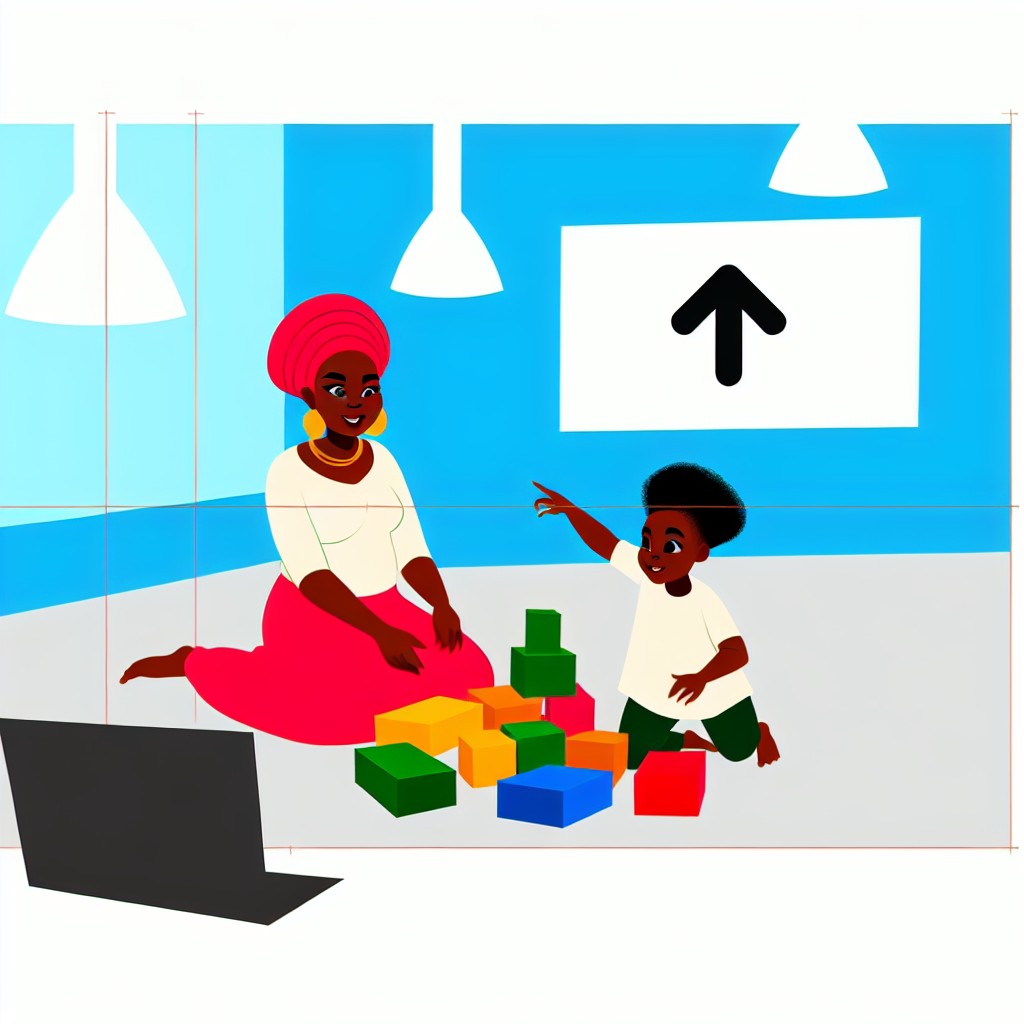
For example, playtime reveals physical abilities and social skills.
Routine interactions help gauge language and emotional development.
Parenting Made Just for You
Get personalized Parenting Solutions tailored to your child’s needs. Transform your parenting journey with expert guidance in 1-3 days.
Get StartedImportantly, observing milestones guides appropriate support and learning opportunities.
Thus, active involvement ensures children thrive through each developmental stage.
Definition and Importance of Play in Child Development
Understanding Play as a Vital Activity
Play represents a natural and essential part of childhood.
It allows children to explore their environment actively.
Through play, kids engage their imagination and creativity freely.
Moreover, play fosters social skills as children interact with peers.
It also supports emotional expression in a safe and supportive way.
Therefore, play serves as a foundation for holistic development.
How Play Contributes to Developmental Milestones
Play assists children in acquiring motor skills by encouraging movement.
For example, running and climbing enhance physical coordination significantly.
Additionally, play promotes cognitive growth through problem-solving activities.
Puzzles and building blocks stimulate critical thinking effectively.
Furthermore, language skills improve when children narrate or role-play.
Consequently, play helps children reach important developmental markers.
Unveil the Perfect Name that Tells Your Family's Story
Let us help you find a name that embodies your family's values, traditions, and dreams. Our personalized consultation weaves cultural insights to create a name that's uniquely yours.
Get StartedTypes of Play That Support Growth
There are several forms of play that aid various developmental areas.
First, sensory play engages the senses and sharpens perception.
Second, imaginative play encourages creativity and abstract thinking.
Third, constructive play builds planning and fine motor abilities.
Finally, social play enhances cooperation and empathy among peers.
Each type uniquely contributes to a child’s overall development.
Strategies for Encouraging Play in Daily Life
Parents and caregivers should create safe and stimulating play spaces.
Offering diverse toys and materials invites exploration and curiosity.
Scheduling regular playtimes encourages consistency and routine.
Adults can also join play to model positive interactions and support.
Ultimately, fostering play enriches children’s learning and wellbeing.
Types of Play and Their Impact on Various Developmental Domains
Physical Play and Motor Skills Development
Physical play involves activities that use large muscle groups.
It helps children improve their coordination and balance.
Moreover, physical play boosts strength and overall fitness.
For example, running and climbing support gross motor skills.
Additionally, activities like drawing and building enhance fine motor skills.
Therefore, physical play lays a foundation for healthy body movements.
Constructive Play and Cognitive Growth
Constructive play requires children to create or build something.
This type of play encourages problem-solving and planning abilities.
It also develops spatial awareness and fine motor coordination.
For instance, assembling blocks or crafting models stimulates brain function.
Consequently, children learn cause-and-effect relationships through constructive play.
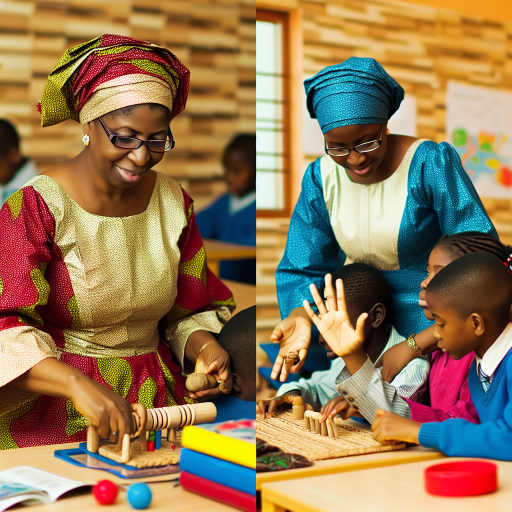
Adults like Montessori educators often use constructive play in learning.
Social Play and Emotional Intelligence
Social play involves interacting with peers or adults during activities.
This interaction fosters communication skills and empathy.
Children learn to share, cooperate, and handle conflicts effectively.
Role-playing games help children explore different emotions and perspectives.
Moreover, social play builds important friendships and a sense of belonging.
Therefore, children develop better emotional understanding through social play.
Dramatic Play and Language Development
Dramatic play lets children pretend and imagine various scenarios.
This form of play enhances vocabulary and expressive language skills.
It also nurtures creativity and symbolic thinking abilities.
For example, pretending to be a teacher or doctor encourages storytelling.
Through dialogue and role assumption, children practice social language use.
Overall, dramatic play strongly supports language acquisition.
Games with Rules and Cognitive Self-Regulation
Games with rules require children to follow guidelines and make decisions.
They improve attention, memory, and impulse control.
Additionally, these games teach patience and turn-taking skills.
Examples include board games and team sports like soccer.
Thus, children enhance executive functioning and strategic thinking.
Teachers frequently incorporate games with rules to boost classroom behavior.
Creative Play and Problem-Solving Abilities
Creative play encourages children to invent and experiment freely.
It stimulates imagination and innovative thinking skills.
Activities such as painting, music, and dancing fall under this category.
Creative play helps children express feelings and ideas in unique ways.
Furthermore, it supports flexible thinking and adaptability.
Hence, creative experiences contribute greatly to cognitive development.
Developmental Benefits of Various Play Types
- Physical play: Enhances motor skills and physical health.
- Constructive play: Boosts cognitive abilities and problem solving.
- Social play: Develops emotional intelligence and social skills.
- Dramatic play: Fosters language and symbolic thinking.
- Games with rules: Strengthens executive function and self-regulation.
- Creative play: Encourages imagination and flexible thinking.
Incorporating diverse types of play ensures balanced child development.
Parents and educators should provide opportunities for all forms of play.