




Understanding the Importance of Setting Parenting Goals in the Nigerian Cultural Context
The Role of Cultural Values in Parenting
Nigeria's diverse cultures deeply influence family values and child-rearing practices.
For example, the Igbo, Yoruba, and Hausa cultures each have unique parenting expectations.
Therefore, setting parenting goals must consider these cultural priorities.
Respect for elders and community involvement remain central in Nigerian families.
Parents often focus on instilling these values early in their children's upbringing.
Consequently, clear goals help preserve cultural identity while raising children.
Ensuring Family Unity and Social Harmony
Parenting goals foster strong family bonds in Nigeria's communal society.
Families typically emphasize cooperation and mutual support among relatives.
Thus, defining parenting objectives promotes harmony within extended families.
Parents strive to nurture responsible and respectful members of their communities.
Consistent goals guide children to fulfill social roles effectively.
Ultimately, these efforts strengthen the family's reputation and influence locally.
Adapting Modern Parenting Practices to Traditional Norms
Nigerian families face challenges blending modern ideas with established customs.
Setting clear goals allows parents to balance education and traditional values.
They may emphasize academic success while maintaining respect for cultural heritage.
Parenting Made Just for You
Get personalized Parenting Solutions tailored to your child’s needs. Transform your parenting journey with expert guidance in 1-3 days.
Get StartedAdditionally, parents prepare children for global opportunities through goal-setting.
This approach helps avoid conflicts between global influences and local expectations.
Setting goals offers a roadmap to healthy child development within cultural limits.
Benefits of Establishing Parenting Goals Early
Early goal-setting creates clarity in parenting roles and responsibilities.
It helps parents like Emeka and Fatima Balogun align their child-rearing efforts.
Moreover, it reduces confusion and disagreements about discipline and education.
Parents become proactive rather than reactive in handling challenges.
Clear goals improve communication between parents and children as well.
Furthermore, they provide measurable milestones for tracking child growth.
Common Parenting Goals in Nigerian Families
- Parents often focus on moral education and religious teachings.
- Academic excellence and career success remain important family priorities.
- Respecting elders and maintaining good behavior rank high in goals.
- Building strong social networks and community participation is emphasized.
- Parents also aim to raise children with discipline and resilience.
Assessing Your Family Values and Beliefs as a Foundation for Goal Setting
Identifying Core Family Values
Start by reflecting on the principles Francis and Ngozi want to uphold in their home.
These values guide everyday decisions and influence parenting styles.
Common values include respect, honesty, hard work, and community engagement.
Additionally, discussing these values openly strengthens mutual understanding between partners.
Moreover, it helps align parenting goals with shared beliefs.
Unveil the Perfect Name that Tells Your Family's Story
Let us help you find a name that embodies your family's values, traditions, and dreams. Our personalized consultation weaves cultural insights to create a name that's uniquely yours.
Get StartedExploring Cultural and Traditional Beliefs
Nigerian families often incorporate cultural traditions into their upbringing.
For instance, the Okoro family emphasizes respect for elders and communal responsibility.
Respecting such customs enriches children’s identity and social belonging.
Yet, it is important to balance tradition with modern parenting perspectives.
This balance fosters adaptability in a changing society.
Reflecting on Individual Experiences and Influences
Each parent brings unique life experiences that shape their beliefs.
For example, Ayodele’s positive childhood memories influence his approach to discipline.
Likewise, personal upbringing impacts expectations and emotional support styles.
Therefore, sharing these experiences promotes empathy and cooperation in goal setting.
Consequently, it strengthens the parenting partnership.
Clarifying Priorities for Your Family’s Future
Next, families should prioritize what matters most for their children’s growth.
These priorities might include education, spiritual development, or social skills.
Uche and Amaka prioritize education while nurturing strong family bonds.
Setting clear priorities directs energy toward meaningful objectives.
Thus, goal setting becomes purposeful and focused.
Creating a Shared Vision Together
Families benefit from crafting a unified vision that reflects collective values.
For example, the Balogun family envisions raising responsible and compassionate adults.
This vision acts as a roadmap for daily parenting choices.
Furthermore, revisiting and updating the vision ensures ongoing relevance.
Finally, this process builds commitment and clarity for all family members.
Identifying Short-Term and Long-Term Parenting Goals for Your Children
Understanding the Importance of Setting Parenting Goals
Setting clear parenting goals helps guide your family's growth and development.
It provides direction for both daily activities and future aspirations.
Moreover, goals foster consistency and purpose in child-rearing approaches.
In Nigerian families, balancing tradition and modern challenges makes goal-setting essential.
Short-Term Parenting Goals
Short-term goals focus on immediate needs and manageable milestones.
These goals typically cover the child's daily habits, learning, and social skills.
For example, encouraging respect for elders and good manners fits well here.
Also, helping your child develop healthy eating and sleeping routines is crucial.
Parents like Chinedu and Amara Okeke set short-term goals to improve communication skills early.
Consequently, these goals create a foundation for long-term success.
- Establishing a reading habit
- Teaching responsibility through chores
- Building emotional intelligence
- Developing problem-solving skills
Long-Term Parenting Goals
Long-term goals aim at your child's overall life success and happiness.
They encompass education, career, values, and social contributions.
Parents like Kelechi and Adaeze Nwafor plan long-term goals around academic achievement and cultural identity.
Furthermore, these goals ensure your children thrive as independent, confident adults.
Setting realistic and flexible long-term goals keeps your family adaptable to change.
- Fostering a strong sense of cultural pride
- Encouraging higher education or vocational skills
- Building financial literacy and independence
- Instilling community and family values
Balancing Short-Term and Long-Term Goals
Effective parenting blends daily attention with future planning.
You should regularly review and adjust goals as your children grow.
Communication between parents like Emeka and Obiageli Nwosu helps align their goals.
This balance supports children's immediate well-being and lasting development.
Also, celebrating small achievements keeps motivation high for long-term aspirations.
Practical Steps to Identify Your Parenting Goals
Begin by discussing your family values and expectations openly.
Create a list of behaviors and skills you want your children to develop.
Seek advice from experienced Nigerian parents or local parenting groups.
Use a family journal or app to track progress and reflect regularly.
Be patient and flexible as you adjust goals in response to your child's needs.
You Might Also Like: Planning a Family in Nigeria: Health and Financial Readiness Guide
Incorporating Nigerian Social and Educational Expectations into Your Parenting Goals
Understanding Cultural Values in Parenting
Nigerian families often emphasize respect for elders and strong community ties.
Therefore, teaching children to honor these values supports their social development.
Moreover, incorporating traditional customs helps preserve family heritage.
Parents like Chike and Amara nurture these principles in daily family life.
Consequently, children learn patience, humility, and cooperation from an early age.
Setting Educational Aspirations
Education remains a high priority for Nigerian parents.
For instance, parents often expect their children to excel academically.
Also, many families encourage enrollment in reputable schools such as Greensprings Academy in Lagos.
Furthermore, they emphasize learning both English and native languages to ensure well-rounded education.
Therefore, setting clear academic goals aligns with societal expectations for success.
Balancing Social Etiquette and Modern Parenting
Preserving traditional manners fosters positive social interactions for children.
However, parents like Tunde and Ifeoma integrate modern parenting techniques too.
They encourage open communication and emotional expression alongside respect.
Thus, children develop confidence while appreciating their cultural background.
This balance strengthens family bonds and community relationships.
Engaging with Community and Extended Family
Nigerian society values extended family involvement in child-rearing.
Parents actively involve grandparents, aunts, and uncles in their children’s upbringing.
This collective approach provides diverse role models and support systems.
It also reinforces social values such as generosity and collective responsibility.
Therefore, parenting goals should include fostering strong family networks.
- Discuss and define family values with your partner clearly.
- Choose educational institutions that reflect your goals and values.
- Teach respect through consistent daily practices and storytelling.
- Encourage bilingualism to maintain cultural identity and communication skills.
- Promote involvement in community events to build social skills.
Uncover the Details: The Role of Extended Family in Raising Nigerian Kids
Setting Realistic and Achievable Goals Tailored to Your Family’s Unique Circumstances
Understanding Your Family’s Unique Context
Every Nigerian family has its own set of traditions and cultural values.
Therefore, recognize what makes your family unique before setting parenting goals.
Consider your extended family dynamics and the community influence around you.
Also, reflect on your work schedules and financial situation.
For example, Adaora and Emeka balance demanding jobs with parenting duties.
Thus, your goals should align with your available time and resources.
Setting Realistic Parenting Expectations
Avoid objectives that demand perfection or unrealistic time commitments.
Instead, focus on small, manageable targets that fit into daily life.
For instance, if your community values respect, build goals around teaching polite communication.
Additionally, remember that flexibility helps when unexpected challenges arise.
Most importantly, celebrate progress rather than expecting instant success.
Identifying Priorities That Match Your Family’s Needs
Discuss with your spouse or partner about what matters most to your family.
Common priorities for Nigerian families include education, health, and values.
Make a list of goals reflecting these priorities and their urgency.
Next, break down broad goals into smaller actionable steps.
For example, focusing on establishing regular reading habits supports education goals.
Involving All Family Members in Goal Setting
Engage your children in conversations about family goals when appropriate.
This involvement fosters a sense of responsibility and motivation.
Likewise, seek input from grandparents or close relatives who influence upbringing.
Moreover, discuss challenges openly to create solutions collaboratively.
Such teamwork strengthens your family bond and commitment to goals.
Monitoring and Adjusting Goals Over Time
Parenting is dynamic; your goals should evolve with your child’s growth.
Regularly review progress and adapt objectives based on new circumstances.
For instance, adjust bedtime routines as your toddler becomes a preschooler.
Also, stay open to advice from Nigerian parenting groups or local experts.
Ultimately, flexibility prevents frustration and supports sustained success.
Find Out More: Things Nigerian Couples Should Consider Before Starting a Family
Creating a Written Plan to Track Progress and Make Adjustments Over Time
Importance of Documenting Parenting Goals
Writing down your parenting goals clarifies your family’s priorities.
It helps Nkechi and Emeka stay focused on what matters most.
Moreover, a written plan becomes a reference during challenging times.
This clarity encourages consistent efforts from all family members.
Steps to Develop an Effective Parenting Plan
Start with Clear, Measurable Goals
Begin by listing specific goals you want Ejike and Ada to develop.
Use simple language that everyone in the family understands.
For example, prioritize good communication and respect as core habits.
Create a Structured Tracking System
Use a notebook or digital app to record progress regularly.
Yemisi prefers using a calendar app to note behaviors and milestones.
Additionally, involve your spouse in updating and reviewing the progress.
Schedule Regular Family Reviews
Set monthly or quarterly meetings to reflect on your goals.
These sessions encourage open dialogue between parents and children.
Moreover, they help identify what strategies work or need change.
Making Adjustments Based on Observations
Recognize When Goals Need Revision
If certain goals no longer fit your family’s needs, do not hesitate to adjust.
For instance, Chinwe realized her goal on academic excellence required flexibility.
This willingness prevents frustration and promotes realistic expectations.
Seek Feedback from Trusted Sources
Consult friends like Amina or parenting groups for new ideas.
Professional advice from counselors or educators can also guide change.
Such input enriches your perspective and supports effective parenting.
Celebrate Progress and Recommit as Needed
Acknowledge small victories achieved by your family on this journey.
This recognition boosts motivation and family cohesion.
Then, renew your commitment to goals and make necessary improvements.
You Might Also Like: How to Communicate Goals With Your Partner Before Starting a Family
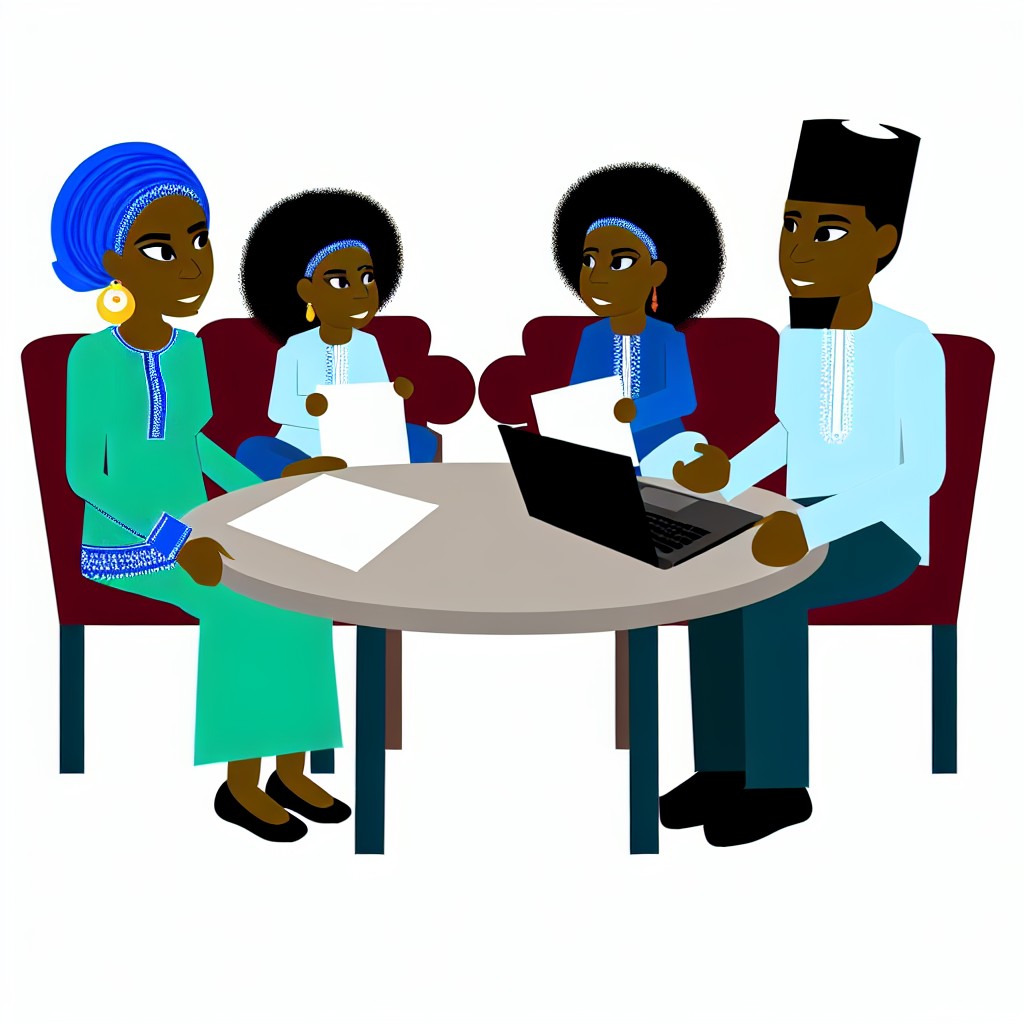
Engaging Both Parents and Extended Family Members in the Goal-Setting Process
Recognizing the Role of Both Parents
Both parents play crucial roles in nurturing a child's development.
Involving mom and dad in setting parenting goals ensures shared responsibility.
Collaborative goal-setting strengthens the parenting partnership effectively.
Parents should openly discuss their values, priorities, and expectations early on.
This approach fosters unity and avoids conflicting messages to the child.
Inviting Extended Family Participation
In Nigerian families, extended family members often influence child-rearing practices.
Including grandparents, aunts, and uncles in goal discussions adds valuable perspectives.
Respecting these contributions promotes harmony and collective support for the child.
Additionally, it helps to preserve cultural traditions while adapting to modern parenting.
Family meetings can serve as regular forums to align hopes and responsibilities.
Strategies to Facilitate Inclusive Goal-Setting
Start by organizing informal gatherings to introduce parenting goals openly.
Use clear communication to explain why joint goal-setting matters for the child's wellbeing.
Assign roles based on each family member's strengths and availability.
Encourage honest feedback to address concerns early and build trust.
Document agreed goals and revisit them regularly to track progress together.
Benefits of Shared Parenting Goals in Nigerian Families
Collective goal-setting nurtures a strong support system for new parents.
It reduces stress by distributing caregiving responsibilities among trusted relatives.
Children receive consistent guidance from a cohesive family unit.
Furthermore, it enriches the child's sense of identity through shared cultural values.
Such collaboration fosters resilience and adaptability within the entire family.
Balancing Traditional Nigerian Parenting Practices with Modern Approaches
Embracing Cultural Heritage
Nigerian families deeply value their cultural traditions in raising children.
These practices emphasize respect for elders and strong family bonds.
Moreover, they encourage communal involvement in childcare and moral guidance.
Therefore, maintaining these values is essential for nurturing identity and belonging.
For example, storytelling and proverbs often teach children life lessons.
Incorporating Modern Parenting Techniques
Modern approaches offer tools for emotional intelligence and child-centered care.
They also promote positive discipline and encourage open communication.
Consequently, parents can nurture independence while providing support.
Many Nigerian families now apply educational psychology and developmental milestones.
Furthermore, technology can aid learning but requires balanced supervision.
Finding Harmony Between Traditions and Innovation
Successful parenting combines the wisdom of tradition with modern insights.
Parents like Chisom and Emeka navigate this balance daily.
For instance, they teach cultural respect alongside encouraging critical thinking.
Also, they involve grandparents to preserve heritage, yet practice democratic decision-making.
This blend enhances children’s adaptability in a changing world.
Practical Steps to Achieve Balance
- Discuss parenting goals openly between spouses and extended family.
- Identify cultural values you want to uphold consistently.
- Research and adapt modern methods that align with your beliefs.
- Set routines that include traditional rituals and contemporary activities.
- Attend parenting workshops tailored for Nigerian families.
Respecting Individual Child’s Needs
Every child has unique personality and learning preferences.
Hence, parents should adjust approaches accordingly.
Combining traditions with modern psychology supports holistic growth.
For example, Funmi nurtures her daughter’s creativity while honoring cultural festivals.
Similarly, Tunde supports his son’s emotional needs using positive reinforcement.
Prioritizing Child Well-Being, Education, and Moral Development in Goal Selection
Focusing on Child Well-Being
Child well-being forms the foundation of effective parenting goals.
Firstly, ensure your child’s physical health through proper nutrition.
Additionally, schedule regular medical checkups to maintain health.
Moreover, nurture their emotional health by creating a supportive home.
Provide a loving environment that helps children feel secure and valued.
In addition, encourage open communication to understand their feelings.
Be attentive to their concerns and listen actively to what they share.
Parents like Samuel and Funke Adebayo actively prioritize these aspects.
They integrate these values in their family life in Lagos.
Emphasizing Education as a Core Goal
Education plays a crucial role in shaping a child’s future success.
Therefore, set clear expectations about academic achievement and effort.
Also, emphasize the importance of lifelong learning beyond school years.
Furthermore, select schools that match your family values and standards.
Choose institutions that offer quality instruction and nurturing environments.
Besides formal schooling, promote reading habits and curiosity at home.
The Okoro family in Abuja integrates daily storytelling to enhance learning.
Instilling Moral Development and Values
Moral development guides children to distinguish right from wrong.
Parents should teach honesty, respect, kindness, and responsibility early.
Moreover, involve children in community activities for empathy development.
This involvement builds social awareness and caring attitudes.
Spiritual teachings often provide moral grounding in Nigerian households.
For example, Pastor Michael and his wife, Grace Oladipo, emphasize character.
They focus on building character through church fellowship and values.
Integrating Well-Being, Education, and Moral Development
Successful parenting goals balance well-being, education, and moral growth.
Start by identifying your family’s unique values and aspirations.
Create achievable targets that address these three key areas simultaneously.
Regularly review and adjust goals based on your child’s evolving needs.
This balanced approach helps raise confident and well-rounded children.
Utilizing Community Resources and Support Systems to Help Achieve Parenting Goals
Connecting with Local Parenting Groups
Joining local parenting groups strengthens your support network.
For example, the Lagos Family Circle organizes workshops and playdates.
These groups provide advice on child development from experienced parents.
Moreover, they offer emotional support during challenging parenting moments.
Regular participation ensures you stay informed about community events.
Accessing Healthcare and Educational Services
Local clinics like Ikoyi Health Centre offer child immunizations and growth monitoring.
Therefore, maintaining regular visits helps track your child's health milestones.
Also, government primary schools, such as Abuja Learning Academy, provide early education resources.
Such institutions sometimes host parenting seminars on nutrition and hygiene.
Utilizing these services promotes your child's overall well-being and development.
Engaging with Faith-Based and Cultural Organizations
Many Nigerian families find counsel through churches and mosques.
St. Michael's Parish hosts family counseling sessions addressing parenting challenges.
Similarly, the Unity Islamic Centre offers parenting classes that blend faith and responsibility.
Participation in these groups nurtures ethical values in children.
Additionally, cultural festivals organized by the Yoruba Heritage Foundation encourage family bonding.
Leveraging Online Communities and Digital Platforms
Social media groups like “Naija Moms Network” share timely parenting tips.
Parents often exchange experiences and trusted vendor recommendations.
Furthermore, mobile apps such as EkoCare assist with pediatric health tracking.
These digital tools supplement in-person community support effectively.
Hence, combining online and offline resources broadens your parenting support system.
Seeking Professional Support when Needed
Consulting child psychologists like Dr. Chika Okoro provides expert guidance.
Early intervention can resolve behavioral or developmental concerns quickly.
Family therapists, for example at Harmony Wellness Centre, promote healthy communication.
They help parents manage stress and improve household dynamics.
Accessing professional help empowers you to achieve realistic parenting goals.
Strategies for Maximizing Community Resources Effectively
- Attend community meetings regularly to stay updated.
- Volunteer in local initiatives to build lasting relationships.
- Share your parenting experiences to support others.
- Be open to diverse perspectives and cultural practices.
- Maintain a balanced approach by combining various resource types.
Collectively, these efforts create a strong foundation for your parenting journey.
Additional Resources
Meet The Nigerian Family Of Lawyers: Daughters And Parents …
I am writing you this letter in concern for the economy, my family, and …