



Understanding the Significance of Cultural Obligations in Nigerian Society
Role of Cultural Obligations in Community Life
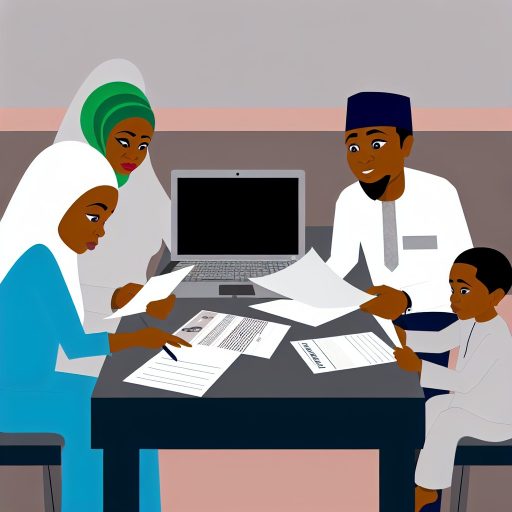
Cultural obligations form the backbone of social interaction in Nigerian communities.
They foster unity and strengthen bonds among family members and neighbors.
Furthermore, these obligations preserve ancestral traditions and local customs.
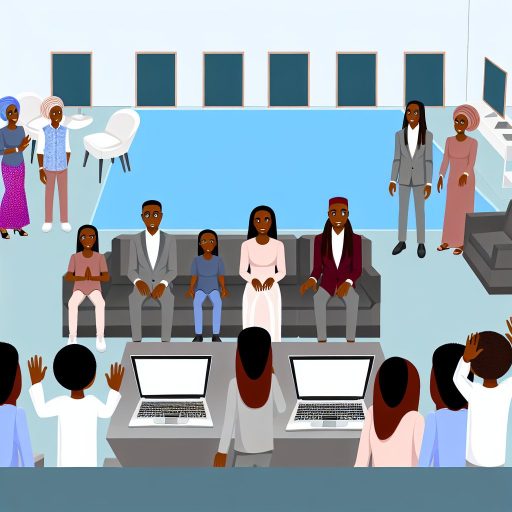
For example, festivals and family ceremonies bring people together to celebrate shared heritage.
As a result, cultural activities contribute to a sense of belonging and identity.
Types of Cultural Obligations Commonly Observed
Nigerians engage in several important cultural practices throughout the year.
These include weddings, naming ceremonies, funerals, and religious events.
Each event requires active participation and support from extended families.
Often, individuals contribute gifts, attend gatherings, and offer assistance.
Moreover, community leaders like Chief Adewale and Mrs. Ifeoma Okonkwo play vital roles in these traditions.
Impact on Personal and Professional Life
Cultural obligations demand time and resources from individuals in both rural and urban settings.
They often overlap with work schedules and personal commitments.
Consequently, balancing these demands requires careful planning and communication.
Companies such as Lagos Innovate Limited recognize these challenges and support flexible working hours.
This approach allows cultural values and modern work responsibilities to coexist more harmoniously.
Parenting Made Just for You
Get personalized Parenting Solutions tailored to your child’s needs. Transform your parenting journey with expert guidance in 1-3 days.
Get StartedIdentifying Common Cultural Events and Their Impact on Family Schedules
Frequent Cultural Celebrations in Families
Many families participate in annual festivals and religious ceremonies.
For example, the Tran family celebrates Lunar New Year with extended gatherings.
The Singh household marks Diwali with elaborate rituals and family meals.
Also, the Morales family attends quinceañeras, celebrating important family milestones.
These events usually require several days of preparation and participation.
Effect on Work and Personal Time
Cultural events often require flexible work schedules to allow participation.
Jessica Lim adjusted her project deadlines to attend her family’s Mid-Autumn Festival dinner.
Similarly, Carlos Mendoza requested time off to prepare for a major family wedding.
Therefore, these obligations can disrupt daily routines and planned workloads.
Challenges in Balancing Multiple Commitments
Work commitments often clash with cultural event schedules and family expectations.
For instance, Aisha Khan faced conflicts between business meetings and Eid celebrations.
Moreover, travel requirements for events add complexity to scheduling demands.
Families frequently struggle to balance traditions with work responsibilities.
Approaches to Manage Schedule Conflicts
Families can communicate proactively with employers about upcoming cultural commitments.
Unveil the Perfect Name that Tells Your Family's Story
Let us help you find a name that embodies your family's values, traditions, and dreams. Our personalized consultation weaves cultural insights to create a name that's uniquely yours.
Get StartedEmma Chen coordinated with her manager to work remotely during the Ching Ming Festival.
Also, prioritizing key events helps reduce stress and maintain harmony.
Using shared digital calendars lets families like the Nkoma family align schedules effectively.
Recognizing the impact of cultural events helps support better work-life integration.
Challenges of Balancing Cultural Duties with Modern Work Commitments
Conflicting Priorities Between Tradition and Career
Many professionals struggle to meet cultural expectations alongside job demands.
For instance, Anika Patel finds it difficult to attend family rituals during busy project deadlines.
Likewise, Marcus Liu often misses community events due to lengthy work hours.
Consequently, they feel torn between honoring heritage and fulfilling professional roles.
Moreover, cultural duties often require time that conflicts with rigid work schedules.
Time Constraints and Scheduling Conflicts
Workplaces frequently have fixed hours that limit flexibility.
Thus, Maya Fernandez cannot always take leave to participate in traditional ceremonies.
Similarly, Rashid Al-Mansouri faces challenges balancing prayer times with client meetings.
In addition, urgent work matters may overlap with cultural festivities.
Therefore, employees must find creative solutions to manage both commitments.
Expectations from Family and Employers
Family members often expect consistent participation in cultural events.
At the same time, employers expect high productivity and availability.
Emma Johansson experiences pressure from her family to attend holidays despite tight deadlines.
Meanwhile, her manager anticipates her full commitment to the team’s goals.
This dual pressure creates stress and potential burnout.
Communication Barriers and Misunderstandings
Employees may hesitate to discuss cultural needs with supervisors.
For example, Li Wei avoids requesting time off for religious observance fearing disapproval.
Additionally, some managers lack awareness about diverse cultural practices.
Consequently, this can lead to misinterpretation of an employee’s priorities.
Effective communication remains essential for balancing these demands smoothly.
Approaches to Achieving Work-Life Cultural Balance
Many companies now encourage flexible work arrangements.
Employees like Sofia Morales negotiate remote work or adjusted hours during important cultural dates.
Organizations that promote cultural awareness create inclusive environments.
This approach helps individuals like Elias Nordstrom feel respected and supported.
Ultimately, balancing these challenges requires empathy and mutual understanding.
Uncover the Details: Work-from-Home Parenting: Effective Routines for Nigerian Families
Time Management Strategies for Integrating Cultural and Work Responsibilities
Prioritizing Tasks with Cultural and Professional Importance
Effective time management begins with clearly prioritizing tasks.
Start by listing both your cultural obligations and work duties.
Next, assess which activities require immediate attention and which can be scheduled later.
This method helps balance demands without neglecting either area.
Furthermore, involving family members like Aisha or colleagues such as Marcus can provide helpful insights.
Creating a Structured Schedule with Flexibility
Develop a weekly calendar integrating key cultural events and work commitments.
Use digital tools like Outlook or Google Calendar to set reminders for important deadlines.
Add buffer time around significant activities to accommodate unexpected changes.
For example, Sarah adjusts her schedule before the Ramadan period to include extra family time.
This approach ensures that both spheres receive appropriate attention and reduce stress.
Effective Communication and Boundary Setting
Clearly communicate your schedule with managers and family members.
Explain upcoming cultural events to your team to foster understanding.
Similarly, set boundaries during work hours to minimize conflicts with cultural practices.
For instance, Carlos informs his supervisor about midday prayer times to maintain respect.
Consequently, open dialogue promotes cooperation and reduces misunderstandings.
Utilizing Time-Saving Techniques and Delegation
Identify tasks that can be delegated or automated to free up time.
Consider using meal prep services during cultural festivals to save cooking time.
Additionally, delegate routine work tasks to trusted colleagues when possible.
For example, Mei assigns her report duties to a team member while participating in a cultural ceremony.
These strategies help manage workload effectively without compromising cultural involvement.
Balancing Self-Care Within Demanding Schedules
Incorporate brief breaks to rest and recharge between responsibilities.
Practicing mindfulness or short walks can improve focus and reduce burnout.
Joseph schedules daily meditation sessions even during busy periods to maintain balance.
Remember, taking care of yourself improves your ability to meet both cultural and work demands.
A mindful approach to time helps sustain long-term satisfaction and productivity.
Learn More: How to Create a Family Routine That Works for Busy Parents
Role of Employers in Supporting Cultural Inclusivity and Flexibility
Creating an Inclusive Workplace Culture
Employers must actively foster an environment where cultural diversity is celebrated.
They should encourage open conversations about cultural practices and values.
Furthermore, training programs can increase awareness and sensitivity among team members.
For instance, Evergreen Innovations offers quarterly workshops on cultural competence.
Such initiatives help employees feel valued and respected for their backgrounds.
Implementing Flexible Work Policies
Flexible work arrangements enable employees to balance cultural commitments and job responsibilities.
Companies like Summit Financial Services provide options for remote work and adjustable hours.
These policies demonstrate respect for personal and cultural obligations.
Additionally, paid cultural leave can support participation in important cultural events.
Employers should communicate these options clearly and encourage their use.
Supporting Employees through Resource Groups and Support Networks
Employee resource groups (ERGs) offer a platform for cultural expression and support.
Vertex Global maintains multiple ERGs representing diverse cultural communities.
These groups organize cultural celebrations, educational events, and peer support sessions.
Moreover, mentorship programs can connect employees with leaders who understand diverse cultural needs.
This support system enhances job satisfaction and retention among culturally diverse employees.
Leadership Commitment to Equity and Inclusion
Leadership must visibly champion cultural inclusivity and flexible work practices.
For example, Elena Martinez, CEO of Nimbus Software, regularly shares messages promoting inclusiveness.
She also allocates resources specifically for diversity and inclusion initiatives.
Leaders who model inclusive behavior set a powerful example for the entire organization.
Consequently, employees feel empowered to be authentic and productive at work.
Gain More Insights: The Role of Extended Family in Achieving Work-Life Balance
Effective Communication With Family and Employers About Cultural Commitments
Sharing Cultural Priorities With Family
Open communication helps family members understand your work-life balance needs.
Therefore, schedule regular conversations about upcoming cultural events and commitments.
Explain the importance of cultural traditions clearly and respectfully.
Moreover, involve family in planning to find practical ways to support each other.
Also, use empathy to listen to their concerns and expectations actively.
Discussing Cultural Commitments With Employers
Begin by informing your manager early about important cultural obligations.
This proactive approach allows your workplace to adjust schedules accordingly.
Additionally, propose flexible solutions that minimize disruption to work responsibilities.
Highlight how maintaining cultural connections improves your overall productivity and well-being.
Furthermore, share examples of successful accommodations you or others have experienced.
Establishing Clear Boundaries and Expectations
Set clear boundaries between work duties and cultural activities.
Communicate these boundaries respectfully with both family and employers.
Furthermore, agree on realistic availability during critical cultural events.
Use reminders and calendars to keep all parties aligned on upcoming commitments.
Ultimately, transparency strengthens mutual respect and cooperation.
Utilizing Support Systems for Better Communication
Consider using professional mediators or counselors if communication challenges arise.
Meanwhile, encourage family members to express their feelings openly and honestly.
At work, leverage human resources for guidance on cultural accommodation policies.
Also, join employee resource groups that focus on cultural diversity and inclusion.
These resources can build understanding and foster supportive environments.
Learn More: How to Teach Kids the Value of Time Management Through Example
Utilizing Technology to Streamline Cultural Participation and Work Tasks
Integrating Digital Tools for Cultural Engagement
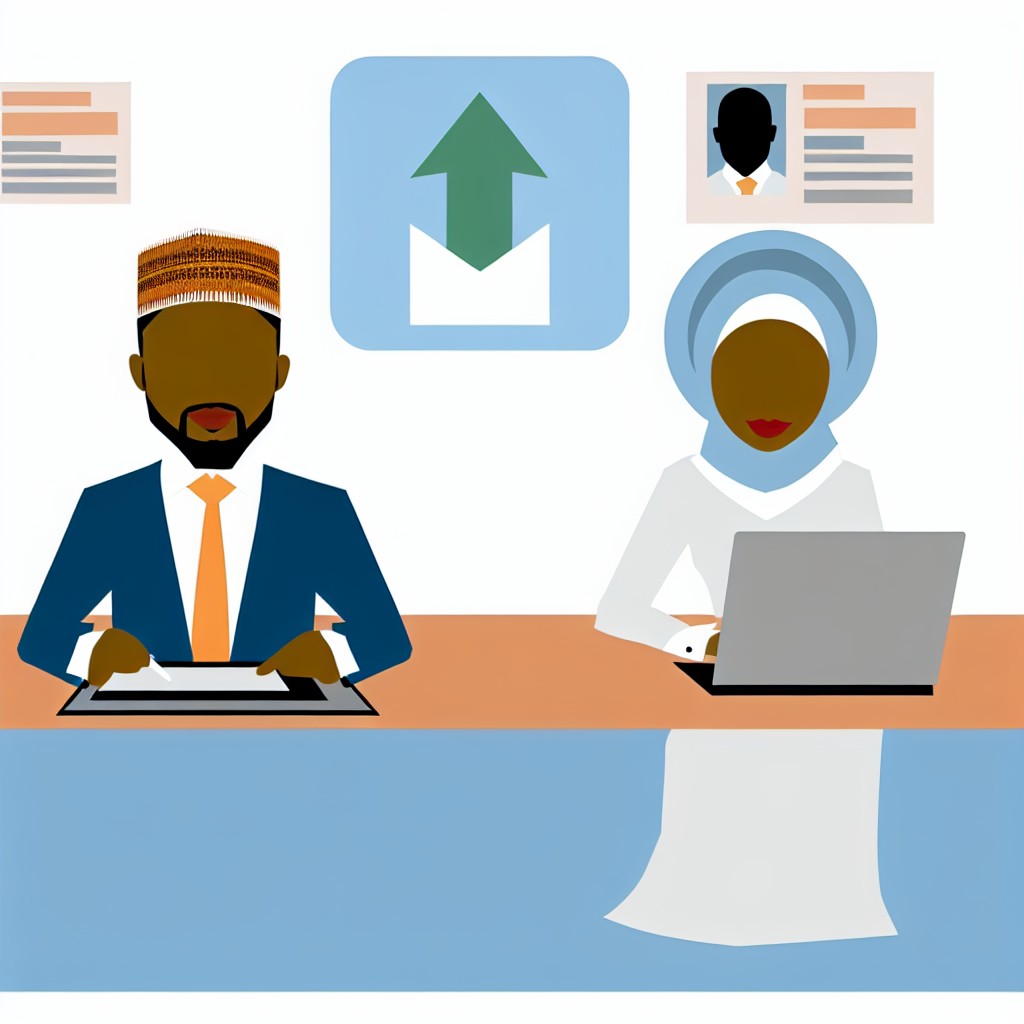
Technology enables us to stay connected with cultural events regardless of location.
Mobile apps such as HeritageConnect provide real-time updates on local cultural activities.
Platforms like Zoom and Microsoft Teams facilitate virtual attendance at family gatherings and ceremonies.
Therefore, individuals can honor traditions without disrupting their daily schedules.
Online forums and social media groups help users share cultural knowledge instantly.
This connectivity encourages continuous cultural learning and participation.
Enhancing Work Efficiency Through Modern Technologies
Advanced project management tools like Asana and Trello streamline work tasks effectively.
They allow professionals like Elena Ruiz and Marcus Chen to organize projects and meet deadlines seamlessly.
Moreover, automation software reduces repetitive tasks, increasing productivity significantly.
Cloud storage services ensure that important files remain accessible across devices anywhere.
Remote work technologies empower employees to maintain flexibility while balancing work and personal commitments.
Balancing Cultural and Professional Responsibilities
Scheduling apps such as TimeTree help coordinate cultural and work obligations conveniently.
These tools notify users of upcoming events and deadlines simultaneously.
Furthermore, time-blocking applications support focused periods for cultural participation or work duties.
Wearable technology, including smartwatches, sends instant reminders to manage dual commitments efficiently.
In this way, professionals like Ananya Patel and David Kim maintain harmony between their cultural values and career goals.
Strategies to Maximize Technology Benefits
- Utilize calendar syncing to avoid overlapping events and meetings.
- Leverage video conferencing to attend cultural ceremonies remotely when needed.
- Adopt task prioritization apps to manage deadlines with cultural celebrations in mind.
- Set up automated alerts for both work deliverables and cultural commitments.
- Engage with online cultural communities to stay informed and involved.
By applying these strategies, individuals maintain meaningful cultural ties alongside professional success.
Setting Boundaries to Prevent Cultural Obligations from Interfering with Work-Life Balance
Recognizing the Need for Boundaries
Many employees face challenges balancing cultural duties with work demands.
Therefore, identifying when cultural obligations intrude on work-life balance is crucial.
Without clear limits, stress levels and burnout risks increase significantly.
Hence, setting boundaries helps protect both personal well-being and professional performance.
Communicating Boundaries Clearly
Effective communication with family and colleagues ensures mutual understanding.
Start by discussing your work schedule and availability openly with relatives.
This transparency allows family members to respect your professional time commitments.
Similarly, inform your employer or team about cultural obligations that may occasionally arise.
Doing so builds trust and fosters flexibility from both sides.
Establishing Practical Limits
Determine specific times blocked off strictly for work and personal activities.
For example, reserve weekday evenings for focused work without interruptions.
Also, plan cultural events during weekends or non-working hours where possible.
Utilize digital calendars to mark these boundaries visibly for everyone involved.
Additionally, learn to say no politely when obligations threaten your well-being or deadlines.
Using Technology to Manage Obligations
Leverage tools like shared calendars to coordinate family and work events efficiently.
Set reminders to prepare in advance for cultural activities, reducing last-minute stress.
Video calls enable attendance at family ceremonies without leaving remote workspaces.
Furthermore, apps can help prioritize tasks and track boundaries effectively.
Encouraging Support Through Negotiation
Engage family members in discussions about the importance of your work commitments.
Often, relatives appreciate your honesty and will accommodate your needs.
At work, negotiate flexible hours or remote options during important cultural periods.
Consult human resources departments for guidance on balancing diverse cultural demands.
Collaboration promotes harmony between cultural life and professional success.
Involving Children in Cultural Activities While Respecting Their School and Social Time
Balancing Cultural Participation with Educational Commitments
Families should prioritize their children’s school responsibilities while planning cultural activities.
Parents can coordinate with teachers to avoid conflicts during exams or important projects.
This approach helps children stay focused on academic goals and reduces stress.
Setting clear expectations about attending cultural events fosters cooperation.
Parents like Clara Martinez ensure their daughter, Lucia, maintains excellent grades while participating in festivals.
Encouraging Meaningful Cultural Engagement
Children appreciate cultural activities more when they understand their significance.
Therefore, parents should explain traditions and stories behind events clearly.
For example, the Shah family shares historical context about Diwali before attending community celebrations.
Allowing children to choose which cultural events to attend increases their enthusiasm.
Parents can offer options like dance classes, cooking sessions, or heritage trips.
Respecting Social Time and Peer Interaction
Social development is crucial during childhood and adolescence.
Parents must recognize the importance of their children’s time with friends.
Scheduling cultural activities outside of typical social hours promotes balance.
For instance, the Ahmed family attends Sunday cultural gatherings to avoid weekday school friendships disruptions.
Fostering friendships within cultural groups builds social skills and identity.
Practical Strategies for Integrating Culture and Modern Life
Families can create a shared calendar to manage school, social, and cultural commitments efficiently.
Involving children in planning ensures their voices are heard.
Jessica Rivera uses a digital calendar to coordinate her son Mateo’s language classes and soccer practice.
Parents should also set limits to prevent overbooking and burnout.
Setting priorities for key cultural celebrations allows focus on meaningful experiences.
Supporting Children’s Wellbeing Through Collaboration
Open communication between parents, teachers, and cultural organizers benefits children.
Schools like Maplewood Elementary welcome cultural events that complement learning schedules.
Community centers offer flexible programs considerate of academic pressures.
Parents should advocate for their children’s balanced participation.
Working together creates a supportive environment where culture and education thrive.
Creating a Personalized Plan to Harmonize Cultural and Professional Demands
Assessing Your Cultural and Work Responsibilities
Begin by listing your key cultural commitments and professional obligations.
This clarity helps you recognize potential conflicts early on.
Additionally, consider the frequency and timing of these responsibilities.
For example, family gatherings may occur weekly, while work deadlines vary monthly.
Also, reflect on the flexibility allowed by your job and cultural expectations.
Consult with family members and supervisors to gauge possible adjustments.
Prioritizing Values and Setting Boundaries
Identify which cultural practices are most meaningful to you.
Likewise, determine urgent work tasks that demand immediate attention.
Use this understanding to prioritize activities that align with your core values.
Set clear boundaries by communicating availability to colleagues and relatives.
Remember, it is acceptable to decline certain engagements to preserve balance.
For instance, decline a non-essential meeting to attend a crucial family event.
Designing a Flexible and Realistic Schedule
Create a weekly calendar incorporating both cultural and professional activities.
Allocate dedicated time blocks to focus on specific commitments without overlap.
Allow buffer periods for unexpected events or necessary rest breaks.
Use digital tools such as calendars and reminders to stay organized.
Regularly review the schedule to make adjustments as circumstances evolve.
This proactive approach reduces stress and improves time management.
Leveraging Support Systems
Reach out to colleagues who understand your cultural background for flexibility.
Encourage family members to support your career ambitions and workload.
Consider negotiating remote work options when cultural events coincide with work.
Engage mentors or coaches experienced in multicultural work environments.
They offer guidance on balancing disparate demands effectively.
Ultimately, maintaining open communication strengthens mutual understanding.
Additional Resources
MILLENNIALS’ WORK–LIFE BALANCE EXPECTATIONS – JKU ePUB
Nigeria is ranked 5th in Africa for the best work-life balance …