




Observing Emotional Readiness
Emotional readiness involves observing how your child responds to everyday social and emotional experiences.
Notice patterns across different situations instead of judging one isolated response.
These patterns provide a broader view of your child’s emotional readiness.
Handling Separation
Observe how your child responds when separating from you or another trusted adult.
Notice whether your child expresses discomfort, accepts reassurance, and gradually engages with the situation.
Also, observe how your child reconnects after separation.
These observations can help you understand your child’s comfort with temporary distance.
Expressing Feelings
Pay attention to how your child communicates happiness, sadness, worry, anger, or excitement.
Your child may use words, facial expressions, gestures, or actions to communicate feelings.
Encourage your child to express feelings in ways trusted adults can understand.
Additionally, notice whether your child responds when an adult acknowledges those feelings.
Managing Frustration
Observe how your child reacts when plans change, tasks feel difficult, or results disappoint them.
Notice whether your child pauses, communicates distress, or accepts support during frustrating moments.
Also, consider how your child resumes an activity after experiencing frustration.
These moments reveal how your child handles challenging emotions.
Parenting Made Just for You
Get personalized Parenting Solutions tailored to your child’s needs. Transform your parenting journey with expert guidance in 1-3 days.
Get StartedSeeking Help From Trusted Adults
Notice whether your child approaches trusted adults when they feel confused, worried, or upset.
Observe how your child communicates a need for assistance.
Also, notice whether your child listens to guidance and continues communicating when difficulties remain.
Encourage your child to identify trusted adults they can approach for support.
Reflecting on Your Observations
Consider how consistently your child demonstrates these emotional responses across different situations.
Look for gradual progress rather than expecting perfect emotional control.
Then, discuss your observations with trusted adults who know your child.
Evaluating Social Readiness
Social readiness involves participating respectfully with other children and adults.
Observe how your child behaves during shared activities and group interactions.
These interactions reveal how your child participates with others.
Sharing With Others
Notice whether your child shares materials during activities.
Also, observe whether your child accepts that others may use shared items.
Sharing does not require your child to give up every personal belonging.
Instead, look for a growing willingness to participate in shared experiences.
Unveil the Perfect Name that Tells Your Family's Story
Let us help you find a name that embodies your family's values, traditions, and dreams. Our personalized consultation weaves cultural insights to create a name that's uniquely yours.
Get StartedTaking Turns
Watch whether your child waits while another child takes a turn.
Notice whether your child returns a turn to someone else.
During group activities, observe whether your child follows the expected order.
Additionally, see whether your child joins again after waiting.
Following Group Expectations
Observe whether your child follows simple expectations during group activities.
For example, notice whether your child listens when others speak.
Also, watch whether your child stays involved when the group changes activities.
Your child may show readiness by adjusting behavior to fit shared expectations.
Cooperating With Other Children
Notice whether your child works with others toward a shared activity.
Observe whether your child accepts another child’s ideas during cooperation.
Also, see whether your child contributes without controlling the entire activity.
Cooperation includes joining, contributing, listening, and making space for others.
Respecting Personal Boundaries
Watch whether your child respects another person’s physical space.
Notice whether your child avoids touching others without permission.
Also, observe whether your child recognizes when someone wants personal space.
Your child should begin understanding that different people have different boundaries.
Encourage respectful interactions by naming boundaries clearly and consistently.
Observing Social Patterns
Look for repeated behaviors across different group situations.
Consider whether your child participates without constant adult direction.
Additionally, observe whether your child adjusts behavior when group expectations change.
These observations can help you understand your child’s current social skills.
Check Communication Readiness
Communication readiness helps your child participate in everyday school interactions.
These skills support clear communication during school routines.
Review each ability across everyday situations.
Expressing Basic Needs
First, notice whether your child can express basic needs clearly.
Your child should communicate when they need something important.
They might use words or other clear ways to share their needs.
Understanding Simple Instructions
Next, consider whether your child understands simple instructions.
Your child should listen to directions and understand what someone asks them to do.
Observe whether your child responds appropriately after hearing a straightforward instruction.
Listening During Conversations
Also, notice whether your child listens during conversations.
Your child should focus on the speaker and attend to the conversation.
Listening helps your child receive information during everyday communication.
Asking Questions When Confused
Finally, consider whether your child asks questions when confusion occurs.
Your child should seek clarification instead of remaining unsure.
Questions can help your child understand instructions and conversations.
Reviewing Communication Skills
Consider these communication abilities together when reviewing school readiness.
These abilities describe key parts of everyday communication.
Therefore, observe how your child communicates across these everyday situations.
- Expressing basic needs
- Understanding simple instructions
- Listening during conversations
- Asking questions when confused
Explore Further: How To Choose The Right First School In Nigeria
Reviewing Self-Care Skills
Self-care abilities can show how comfortably your child may manage everyday school routines.
These skills reflect your child’s growing independence during daily activities.
Review each routine carefully to understand where your child may need practice.
Eating and Drinking Independently
Observe whether your child eats and drinks without regular assistance.
Notice whether your child manages personal food and drink items with growing independence.
However, focus on consistent ability rather than occasional difficulties.
Using the Toilet
Consider whether your child uses the toilet without regular adult assistance.
Also, observe whether your child recognizes and responds to personal toileting needs.
Encourage your child to communicate when assistance becomes necessary.
Washing Hands
Check whether your child washes their hands independently after using the toilet.
Additionally, observe whether your child completes this routine without frequent reminders.
Regular practice can help your child become more confident with handwashing.
Dressing With Limited Assistance
Notice whether your child puts on and removes clothing with limited assistance.
Observe how your child manages everyday clothing tasks during regular routines.
Meanwhile, identify tasks that still require occasional support.
Caring For Personal Belongings
Consider whether your child keeps track of personal belongings during daily activities.
Observe whether your child places belongings in their expected location after use.
Also, encourage your child to take responsibility for personal items whenever possible.
Noticing Areas For Practice
Review each self-care ability separately rather than judging all skills together.
Then, identify routines that need additional practice before school begins.
Support your child patiently while encouraging increasing independence.
Uncover the Details: Questions To Ask Before Choosing A Nigerian School
Observe Attention and Learning Readiness
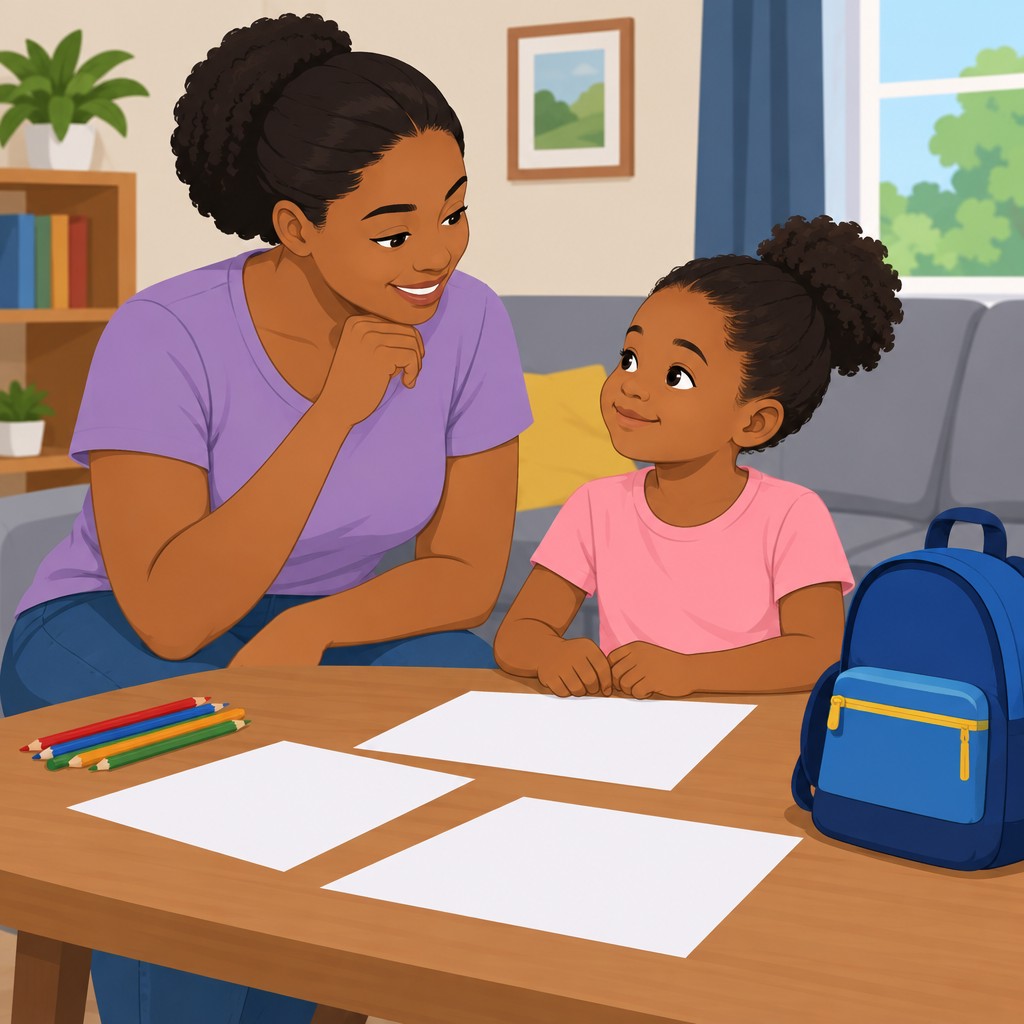
Observe how your child engages with brief activities and everyday learning opportunities.
Focus on short observations across ordinary activities.
These observations can clarify your child’s learning readiness.
Listening for Short Periods
First, notice whether your child listens briefly when someone introduces an activity.
Then, observe whether your child remains involved until the activity ends.
Keep the focus on brief listening rather than extended concentration.
Completing Simple Tasks
Next, offer simple tasks that match your child’s age-appropriate abilities.
Observe whether your child begins and continues the task with limited reminders.
Also, notice whether your child recognizes when the task appears finished.
Following Familiar Routines
Daily routines can show how your child responds to predictable steps.
Notice whether your child follows familiar routines with growing independence.
Additionally, observe whether your child adjusts when an activity moves forward.
Showing Curiosity
Pay attention to your child’s response to new activities and learning opportunities.
Notice whether your child explores, observes, or shows interest in unfamiliar tasks.
Curiosity may appear through questions, attention, or willingness to participate.
Participating in Age-Appropriate Activities
Finally, observe how your child joins activities matching their age and abilities.
Notice whether your child attempts the activity and stays involved briefly.
Consider observations across different activities instead of judging one moment.
These observations can support a clear discussion about your child’s learning readiness.
Delve into the Subject: How To Support Your Child’s First Learning Experience
Physical and Motor Readiness
Physical and motor readiness helps your child participate in everyday classroom activities.
Therefore, observe how your child moves, balances, controls their hands, and uses learning tools.
These observations can show which physical skills your child already uses confidently.
Whole-Body Movement
Notice whether your child moves comfortably during ordinary activities.
Also, observe whether they change positions and move around without frequent difficulty.
Look for controlled movement when your child walks, steps, reaches, or carries items.
Balance and Coordination
Balance supports movement between different classroom activities.
Watch how your child maintains balance while standing, walking, or changing direction.
Additionally, notice whether your child coordinates movements without constant physical guidance.
Hand Control
Hand control helps your child manage learning materials and everyday classroom tasks.
Observe whether your child uses their hands with steady, purposeful movements.
Also, notice whether they adjust their grip when an activity requires control.
Drawing Skills
Drawing provides an opportunity to observe hand control and movement.
Notice whether your child can make marks with increasing purpose.
Furthermore, observe how they control their hand while drawing.
Focus on their drawing movements rather than judging the finished picture.
Learning Tool Use
Observe whether your child can hold learning tools comfortably.
Notice whether they maintain control while using those tools during an activity.
Additionally, watch whether your child can place tools down and pick them up independently.
Everyday Classroom Activities
Physical readiness also involves managing routine classroom actions.
Observe whether your child can move between activities while handling necessary materials.
Notice whether they use their body and hands together during simple classroom tasks.
However, consider the broader pattern instead of focusing on one difficult movement.
Finally, use these observations to understand which physical skills your child already uses confidently.
Uncover the Details: How To Prepare Your Child For Classroom Learning
Independence and Adaptability
School readiness includes managing changes, transitions, choices, and instructions with increasing independence.
These abilities help children respond to everyday expectations.
Observation can show which skills your child can practise before school begins.
Coping With Changes
Observe how your child responds when plans, activities, or expectations change.
Notice whether your child pauses, adjusts, and continues after receiving new information.
Also, consider whether your child accepts changes without constant adult direction.
Transitioning Between Activities
Watch how your child moves from one activity to another.
Notice whether your child can stop one activity and begin another after guidance.
Furthermore, observe whether your child gathers attention for the next activity.
Your child may need reminders, but frequent resistance can show an area needing practice.
Making Simple Choices
Offer simple choices and observe how your child responds.
Notice whether your child selects an option without relying on an adult to decide.
Additionally, observe whether your child accepts the result of a chosen option.
Simple choices can reveal growing confidence and independent decision-making.
Following Instructions Independently
Give clear, simple instructions and observe how your child responds.
Notice whether your child begins the task without constant supervision.
Also, consider whether your child remembers the instruction long enough to act.
If needed, provide a reminder and observe whether your child continues independently.
Building Independence Through Observation
Look for consistent patterns across different activities and changes.
Meanwhile, notice which situations still require frequent adult support.
Use these observations to identify skills your child can practise before school begins.
Progress may appear when your child handles familiar expectations with fewer reminders.
Preparing for a Readiness Decision
Begin by comparing your observations with the school’s expectations.
First, ask the school to explain the abilities it expects at entry.
Then, review your observations against those expectations.
Look for patterns across different situations rather than relying on one moment.
Also, note where your child performs independently and where support remains necessary.
Clarifying the School’s Expectations
School expectations can help you focus your observations.
Ask which skills matter most for your child’s anticipated school experience.
Next, clarify how the school describes readiness in practical terms.
Request explanations when an expectation seems unclear.
Additionally, ask how the school views skills that your child continues developing.
Write down the answers so you can compare them carefully with your observations.
Discussing Concerns With Relevant Adults
Share your questions with adults who know your child or understand the school’s expectations.
For example, speak with relevant school staff and trusted adults involved in your child’s care.
Describe specific observations instead of using broad labels.
Explain when your child manages a skill and when your child needs support.
Furthermore, invite each adult to share observations from different settings.
Different perspectives may help you notice patterns you have not considered.
Ask direct questions when you need clearer guidance.
Finally, record agreed points so everyone can discuss the same information.
Identifying Skills Still Developing
After comparing observations, identify the skills your child still needs to develop.
Separate skills that need occasional support from skills that need frequent support.
Then, choose which developing skills deserve attention first.
Focus on clear abilities rather than general concerns.
For instance, describe the exact task that remains difficult.
Also, note the support that currently helps your child complete that task.
Review these observations with relevant adults before making a decision.
Creating a Clear Discussion Plan
Prepare a short list of observations, questions, and developing skills.
Bring this information when you discuss readiness with the school.
Ask how your child’s current abilities align with the school’s expectations.
Next, discuss which skills your child can continue developing with appropriate support.
Keep the conversation focused on your child’s observed abilities and needs.
Finally, use the shared information to make a considered readiness decision.
Additional Resources
Google search results for How To Know If Your Child Is Ready For School Education
Bing search results for How To Know If Your Child Is Ready For School Education


