




Recognising Signs of Difficulty
First, notice changes in your child’s usual behaviour, mood, or communication.
Your child may appear more withdrawn, unsettled, frustrated, or reluctant to participate.
They may also respond differently to familiar activities, people, or expectations.
Changes in Everyday Behaviour
Watch for differences in how your child approaches daily routines.
Notice whether your child avoids activities, resists changes, or needs more reassurance.
Also consider whether your child finds it harder to express feelings or explain concerns.
These signs can help you recognise that your child may struggle with adjustment.
Changes in Mood and Communication
Pay attention when your child communicates less openly than usual.
They may show stronger emotions or find ordinary situations more difficult.
However, one change alone may not explain what your child experiences.
Instead, look for patterns across different situations and times.
Considering Possible Changes
Next, think about recent changes that may influence how your child feels.
Consider changes at home, within relationships, or in familiar routines.
Also reflect on new settings, expectations, or situations requiring adjustment.
Reviewing Recent Situations
Ask yourself what changed before your child began showing difficulty.
Parenting Made Just for You
Get personalized Parenting Solutions tailored to your child’s needs. Transform your parenting journey with expert guidance in 1-3 days.
Get StartedThen consider whether several changes happened close together.
Notice which situations seem to increase your child’s discomfort or uncertainty.
Compare those situations with times when your child appears more settled.
Listening to Your Child
Give your child opportunities to describe what feels different.
Use calm, open questions that encourage your child to share their perspective.
Listen carefully without assuming you already understand the cause.
Respect communication through words, behaviour, or changes in participation.
Looking for Patterns
Record the situations that seem connected to your child’s struggles.
Note changes in mood, behaviour, communication, and participation.
Look for repeated patterns rather than focusing on one difficult moment.
This process can clarify which changes or situations deserve closer attention.
Creating a Safe Space for Honest Expression
Start by showing your child that they can speak openly without facing judgment.
Use a calm tone and give your full attention during conversations.
Additionally, allow your child enough time to gather their thoughts.
Unveil the Perfect Name that Tells Your Family's Story
Let us help you find a name that embodies your family's values, traditions, and dreams. Our personalized consultation weaves cultural insights to create a name that's uniquely yours.
Get StartedInviting Fears, Frustrations, and Questions
Encourage your child to share fears, frustrations, and questions in their own words.
Ask open questions that invite more than a simple yes or no response.
For example, ask what feels difficult or what they want you to understand.
However, avoid pressuring your child to speak before they feel ready.
Listening Without Judgment
Listen carefully instead of interrupting, correcting, or dismissing your child’s feelings.
Show respect when your child expresses thoughts that seem difficult to understand.
Then, acknowledge their feelings without judging their reactions.
Simple responses can show that you hear and value their perspective.
Responding With Patience and Reassurance
Remain patient when your child struggles to explain their feelings.
Pause before responding, especially when their words create strong emotions.
Reassure your child that questions and honest feelings deserve attention.
Also, explain that they can return to the conversation whenever they need.
Keeping Communication Open
Invite regular conversations without making every discussion feel formal.
Offer opportunities for your child to talk, listen, or ask questions.
Respect their privacy while remaining available and attentive.
Finally, continue creating a supportive environment where your child feels safe speaking openly.
Building Stability Through Consistency
Consistent support gives your child a dependable structure throughout the day.
Familiar routines can make daily expectations easier to understand.
Furthermore, steady responses can reduce uncertainty when circumstances change.
Predictable Daily Routines
Consistent routines give your child dependable structure throughout the day.
Therefore, keep regular activities in a familiar order whenever possible.
A predictable sequence can make daily expectations easier to understand.
Additionally, prepare your child when the routine needs to change.
Explain the change clearly, then identify which parts of the routine remain consistent.
Clear Expectations
Clear expectations help your child understand what you require.
Use simple, direct language when explaining rules, responsibilities, and boundaries.
State expectations before activities begin whenever possible.
Then, check that your child understands what will happen.
Consistent explanations reduce uncertainty and support a stronger sense of stability.
Consistent Responses
Apply expectations consistently across similar situations.
Keep your responses calm, clear, and connected to established expectations.
When you change an expectation, explain the reason briefly.
Likewise, maintain familiar routines when your child needs additional support.
This consistency reinforces structure without creating unnecessary confusion.
Routine Reviews Together
Regularly review routines and expectations with your child.
Ask whether the structure remains clear and manageable.
Then, adjust the routine while preserving its overall consistency.
Small, clearly explained adjustments can maintain stability during changing circumstances.
Discover More: How To Handle School Complaints From Your Child
Introduce Change Gradually
Begin with small steps that introduce the new experience.
Avoid demanding immediate participation.
Then, allow your child to watch and understand what happens before joining.
Start With Observation
Give your child time to observe the experience from a comfortable position.
Encourage attention without requiring action before your child feels ready.
Meanwhile, acknowledge your child’s interest, hesitation, or questions calmly.
Invite Participation
Offer a manageable way for your child to participate when readiness grows.
Let your child choose how to take part whenever possible.
Next, support gradual involvement instead of expecting complete participation immediately.
Build Confidence Through Practice
Allow your child to repeat small steps as confidence develops.
Recognise each effort, including watching, asking questions, and trying something new.
However, pause when your child needs more time before continuing.
Follow Your Child’s Pace
Respect your child’s pace throughout the adjustment process.
Provide encouragement without turning progress into pressure.
Over time, patient support can help your child approach new experiences with greater confidence.
Discover More: How To Manage Pressure From Other School Parents
Build Consistent Support Across Daily Environments
Work with teachers, caregivers, and trusted adults who regularly support your child.
Share relevant information about your child’s adjustment needs with these adults.
Then, invite their observations about your child’s experiences in different environments.
Agree on Shared Support
Discuss consistent responses for times when your child feels uncertain or overwhelmed.
Use similar language when explaining expectations, changes, or available support.
Also, identify responses that help your child communicate concerns more easily.
- Share important observations with trusted adults.
- Discuss supportive responses before difficulties arise.
- Use clear, consistent language across environments.
- Respect your child’s need for support while encouraging communication.
Keep Communication Open
Check in with teachers, caregivers, and other trusted adults regularly.
Ask what they notice, and share any relevant changes you observe.
However, focus conversations on practical support rather than blame.
Encourage adults to communicate directly with one another when appropriate.
Support Smooth Transitions Between Adults
Help each adult understand what others already discussed with your child.
Clarify who will provide support during different parts of your child’s day.
Ensure your child knows which trusted adults they can approach.
Finally, adjust shared support when your child’s needs or circumstances change.
Uncover the Details: Helping Your Child Settle Into A New School Environment
Building Everyday Coping Skills
Teach coping skills gradually.
This approach helps your child use skills during challenging moments.
Practise these skills regularly so your child can use them more independently.
Naming Emotions
Help your child name emotions using clear, age-appropriate words.
Invite your child to describe feelings before discussing what happened.
Reflect your child’s words without judging, correcting, or dismissing the emotion.
For example, acknowledge the feeling and ask what your child needs next.
Over time, encourage your child to notice emotional changes independently.
Asking for Help
Teach your child that asking for help provides a useful coping choice.
Practice simple phrases your child can use when a situation feels difficult.
Encourage your child to explain the problem clearly and request specific support.
Remind your child to keep asking when the first request does not solve the problem.
Praise your child for communicating needs, even when the situation remains challenging.
Taking Calming Breaks
Show your child how to recognize when emotions feel overwhelming.
Then, encourage a calming break before strong feelings control the response.
Let your child choose a quiet place for the break when possible.
During the break, encourage slow breathing, stillness, or another calming activity.
Keep instructions simple while your child regains control.
Afterward, invite your child to discuss what happened and choose a next step.
Practising Coping Skills
Practise each skill during calm moments, when your child can focus more easily.
Use everyday situations to rehearse naming emotions, requesting help, and taking breaks.
Offer gentle reminders before challenging situations begin.
Allow your child to select the skill that feels most manageable.
Reinforce effort as your child builds confidence using these strategies.
Learn More: How To Support A Child Who Misses Home In School
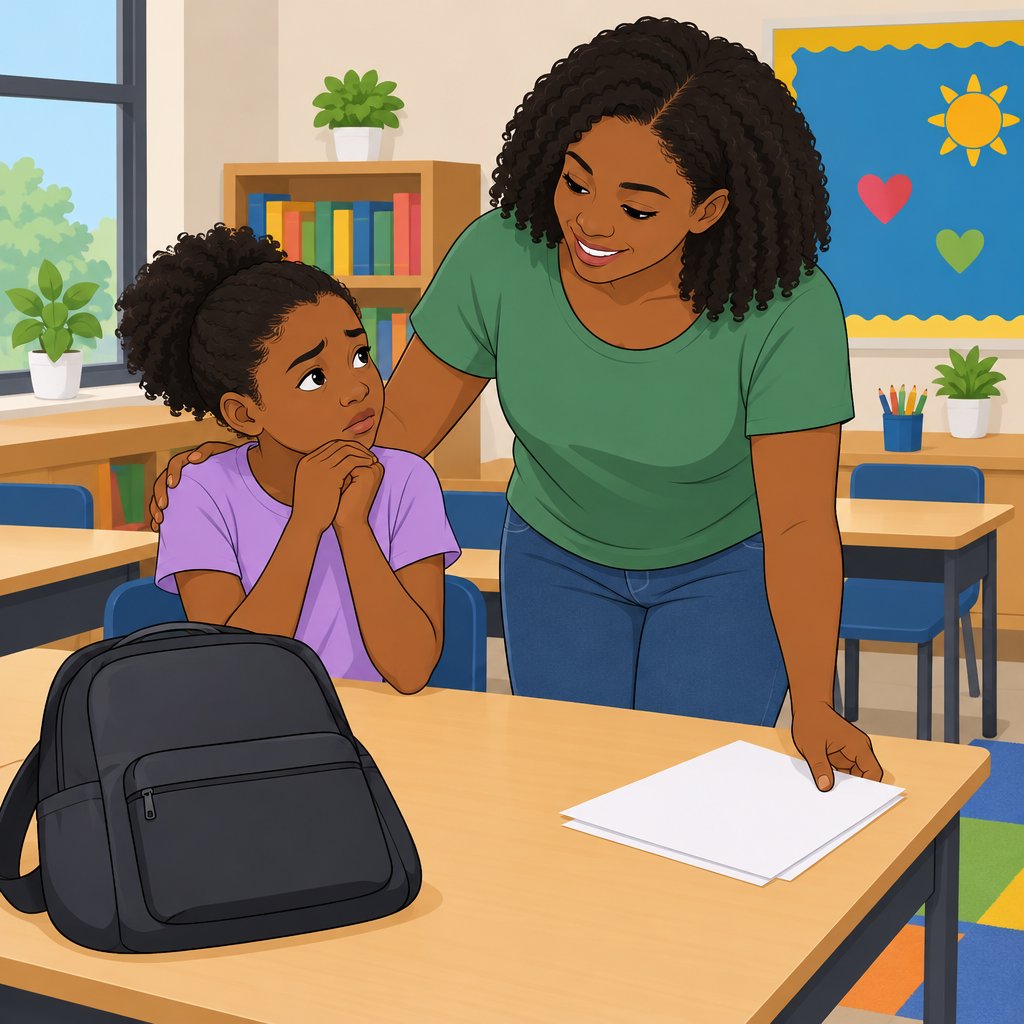
Supporting Progress Without Pressure
Supportive encouragement can help your child adjust without feeling pressured.
Focus on individual effort instead of comparison.
Notice honest attempts and allow progress to develop at its own pace.
Avoiding Comparisons
Comparisons can shift attention away from your child’s individual progress.
Instead, focus on what your child attempts, practices, and manages.
Also, avoid comparing current responses with earlier expectations.
Each child may adjust differently, so allow room for individual progress.
Reducing Pressure
Pressure can make adjustment feel more difficult.
Therefore, offer encouragement without demanding immediate change.
Use calm words that recognise effort rather than insisting on a specific result.
Allow your child to respond honestly without requiring constant improvement.
Celebrating Small Signs of Progress
Notice small signs that your child is trying to adjust.
For example, acknowledge an attempt to participate or communicate.
Also, recognise moments when your child shows increased willingness.
Specific encouragement helps your child understand which efforts you value.
- Acknowledge effort.
- Notice participation.
- Recognise communication.
- Celebrate growing willingness.
Keeping Encouragement Meaningful
Offer sincere encouragement that reflects what your child actually did.
For instance, mention the effort your child made during a challenging moment.
Then, give your child space to experience progress without demanding praise.
Over time, consistent recognition can reinforce a supportive approach to adjustment.
When Professional Support May Help
Some adjustment difficulties continue despite patient, consistent support.
When concerns persist, consider speaking with a qualified child or mental health professional.
Professional guidance can clarify what your child needs next.
Ongoing Adjustment Difficulties
Notice whether adjustment difficulties continue and affect your child’s everyday experiences.
Also, consider whether these difficulties make participation, communication, or ordinary activities increasingly difficult.
You do not need to wait for concerns to disappear before seeking guidance.
Increasing Concerns
Seek professional support when your child’s difficulties appear stronger or become harder to manage.
Additionally, seek guidance when your current support no longer seems sufficient.
A qualified professional can help you understand these difficulties more clearly.
They can also help identify appropriate ways to support your child.
Support Without Blame
Seeking professional help does not mean anyone has failed.
Instead, it adds informed support when adjustment remains difficult.
Approach the conversation with openness about your child’s experiences and ongoing needs.
Share what you have noticed, what you have tried, and what still concerns you.
Responding When Concerns Continue
Trust your concern when your child continues struggling to adjust.
Then, contact a qualified child or mental health professional for support.
Early guidance can provide a clearer direction for your next steps.
Additional Resources
Google search results for What To Do If Your Child Struggles To Adjust Parenting Challenges
Bing search results for What To Do If Your Child Struggles To Adjust Parenting Challenges