




Establishing Consistent Sleep and Wake Routines
Create steady routines to help a child recognize sleep signals.
Also include calming cues to signal rest.
Observe responses and adapt routines as needs evolve.
Plan a Predictable Sleep Schedule
Set consistent bedtimes and wake times.
Keep the schedule on weekdays and weekends when possible.
Adjust the schedule slowly to ease transitions.
Create a Calming Bedtime Routine
Start with predictable calming activities before bed.
Include soothing cues like dim lights and quiet time.
Involve the child in choosing calming activities.
Use consistency to signal sleep time.
Tips for Bedtime Routines
- Keep the routine short and simple.
- Avoid stimulating play immediately before bed.
- Offer comfort and reassurance when the child needs it.
Manage Evening Activities and Screen Time
Limit stimulating activities shortly before bed.
Reduce screen use in the evening hours.
Choose calm interactions to help the child wind down.
Support a Consistent Morning Routine
Wake the child at the same time each day.
Follow a predictable sequence of morning tasks.
Parenting Made Just for You
Get personalized Parenting Solutions tailored to your child’s needs. Transform your parenting journey with expert guidance in 1-3 days.
Get StartedPrepare items the night before to simplify mornings.
Adjust Gradually and Observe Changes
Make schedule changes slowly to ease transitions.
Observe how the child responds to the new routine.
Adapt routines over time as the child’s needs change.
Building Balanced Energy-Sustaining Meals and Smart Lunchbox Choices
Include protein and whole grains to support steady energy.
Also add fruits or vegetables for vitamins and fiber.
Finally, offer small amounts of healthy fats and plain water for absorption and hydration.
Key Components of Balanced Meals
- Include protein to support growth and steady energy levels.
- Choose whole grains or complex carbohydrates for sustained fuel.
- Add fruits and vegetables for vitamins, fiber, and variety.
- Incorporate small amounts of healthy fats to aid nutrient absorption.
- Offer water or a plain beverage to maintain hydration during the day.
Timing and Portion Guidance
Plan meals and snacks to provide consistent energy throughout the school day.
Furthermore, aim for portions that match your child’s appetite and activity level.
Also, include a mid-morning or afternoon snack to bridge longer gaps between meals.
Snack Planning
Prepare snacks that combine a carbohydrate.
Combine that carbohydrate with a protein or fat component.
Additionally, vary textures and flavors to keep snacks appealing over time.
Smart Lunchbox Packing Tips
- Pack a balanced mix of the key meal components in compartments.
- Use reusable containers that are easy for children to open independently.
- Include an insulated element to keep temperature-sensitive items safe.
- Wrap or separate moist items to prevent sogginess and mixing.
- Involve your child in packing choices to encourage healthier eating habits.
Practical Food Selection Ideas
Focus on food categories rather than many single-item choices.
Unveil the Perfect Name that Tells Your Family's Story
Let us help you find a name that embodies your family's values, traditions, and dreams. Our personalized consultation weaves cultural insights to create a name that's uniquely yours.
Get StartedFor example, combine a protein source with a whole grain and a produce item.
Moreover, rotate options across the week to maintain variety and interest.
Food Safety and Storage
Keep perishable items cool using insulated containers or ice packs.
Furthermore, separate raw and ready-to-eat items to avoid cross-contamination.
Finally, check containers and cooling elements daily for cleanliness and function.
Daily Hygiene and Grooming Habits
Keep daily grooming simple and consistent.
Children benefit when routines become predictable each day.
Parents can model and guide healthy habits at home.
Overview
Make routines short so children can follow them.
Start tasks early to avoid rushed mornings.
Use consistent cues to signal readiness for school.
Bathing and Skin Care
Establish a regular bathing routine that feels manageable.
Choose gentle cleansers suited for the child’s skin.
Teach children to rinse and dry their skin completely.
- Help children learn stepwise bathing actions.
- Encourage independence while supervising for safety.
- Store toiletries in an accessible place for them.
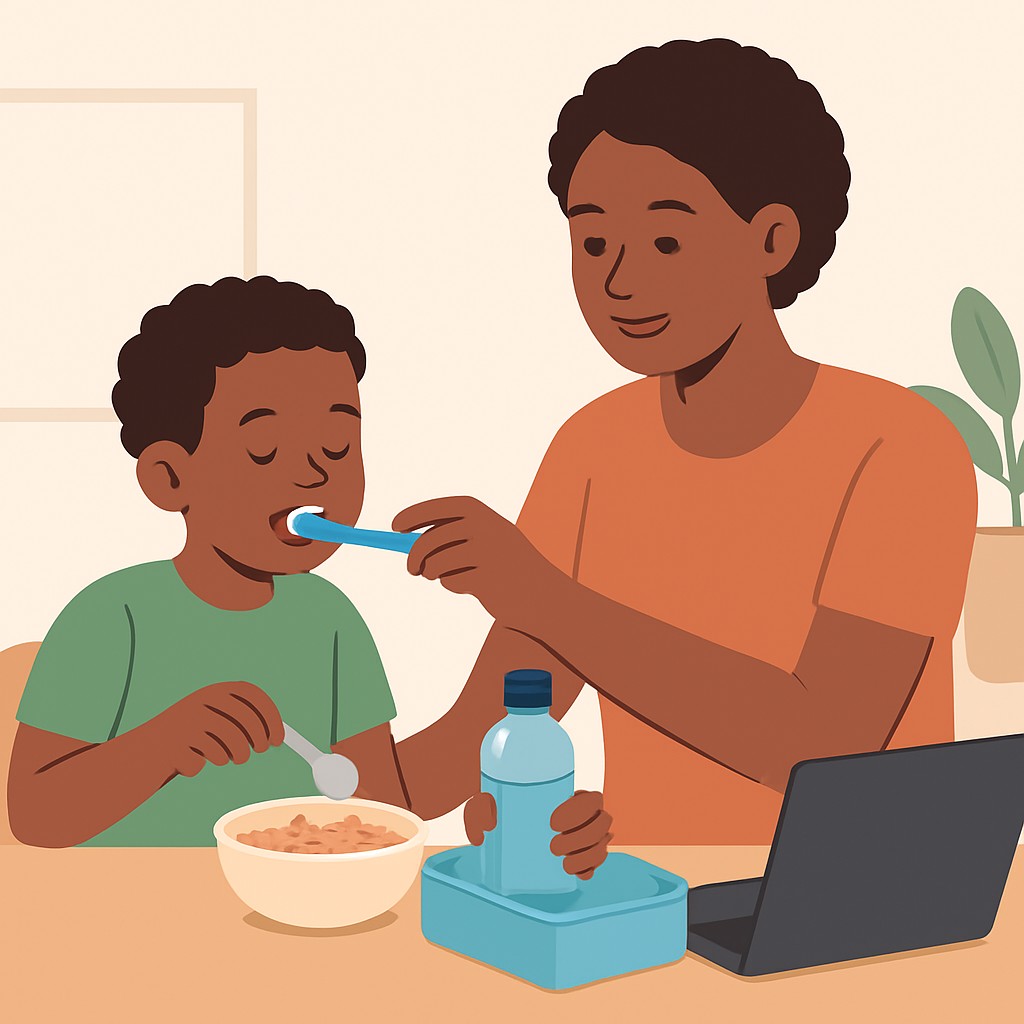
Dental Care
Promote consistent tooth cleaning at home.
Show proper brushing techniques with gentle guidance.
Supervise until the child handles tools safely and confidently.
- Provide a child-friendly toothbrush and appropriate toothpaste.
- Encourage rinsing and spitting after cleaning.
- Keep dental items clean and stored safely.
Nail Trimming
Keep nails short and neatly trimmed for comfort.
Trim or file nails as needed to prevent snagging.
Clean under nails when they become dirty.
- Use safe trimming tools and work in good light.
- Teach children not to bite or pick at nails.
Handwashing
Teach thorough handwashing with soap and water.
Explain when handwashing helps reduce germ spread during the day.
Remind children to wash hands regularly throughout the day.
- Show proper scrubbing motions across all hand surfaces.
- Encourage rinsing and drying with a clean towel.
- Provide accessible soap and towel in the bathroom.
Gain More Insights: The Role of Traditional Nigerian Foods in Boosting Children’s Health
Hydration, Heat Management, and Sun Protection
Prepare practical steps to protect your child during school hours.
Focus on hydration, managing heat, and blocking sun exposure.
Use these measures to support safety during routine activities.
Hydration Strategies
Establish clear water habits for school days.
Encourage children to drink at regular intervals during classes and breaks.
Teach simple signaling for thirst and thirst prevention.
Access and Routine
Provide a refillable water bottle each school day.
Teach your child to take regular sips throughout the day.
Encourage drinking before and after outdoor activities.
Packing Checklist for Hydration
Create a simple packing checklist for hydration items.
Check the list each morning before school departure.
Ask your child to help pack to build consistent habits.
- Include a labeled refillable water bottle in the school bag.
- Also, pack an empty extra container if refilling is needed.
- Additionally, add a short note about water needs if helpful.
Heat Management
Manage heat exposure during school hours to reduce risks.
Adjust routines when temperatures rise to keep children comfortable.
Coordinate with staff to move activities when needed for cooler conditions.
Clothing and Scheduling
Choose lightweight and breathable clothing for warm days.
Prefer loose layers that children can remove as needed.
Arrange outdoor time during cooler parts of the day when possible.
Recognizing and Responding to Heat
Teach children to notice when their body feels unusually warm.
Instruct them to move to cooler areas when they feel overheated.
Plan for short rest periods during active outdoor play.
Sun Protection
Reduce sun risk through simple daily precautions.
Use shading and barriers to limit direct exposure at school.
Communicate when protective measures are needed during activities.
Preventive Measures
Use hats or other head coverings to shield the face and neck.
Keep children in shaded areas during peak sun exposure.
Consider applying a protective product before school when appropriate.
Sun Safety Items to Pack
Prepare a small kit for sun safety items in the bag.
Label each item so staff can identify owner information.
Teach your child to use the items when outdoors.
- Include a hat or other protective headwear in the backpack.
- Also, pack a labeled container of sun protection if permitted.
- Additionally, add a lightweight cover-up for extra protection outdoors.
Quick Reminders for the School Day
Communicate simple instructions about water and shade to your child.
Inform caregivers or staff about any special needs related to heat.
Review these practices regularly to reinforce healthy habits.
Gain More Insights: How Nutrition Impacts Academic Performance in Nigerian Children
Strengthening Physical Fitness, Coordination and Motor Skills
Active movement builds strength and endurance in young bodies.
Movement also improves balance and coordination needed for daily tasks.
Play-based exercise supports motor skill development and confidence.
Why Movement Matters
Regular activity helps children handle everyday physical tasks more easily.
It also boosts coordination that supports play and learning.
Adults can encourage movement through playful routines and prompts.
Types of Play and Exercises
Choose activities that combine cardiovascular, strength, and coordination elements.
Also include structured exercises and free play opportunities each week.
Offer varied formats to engage different skills and interests.
- Cardio play: running, jumping, and chasing games.
- Strength play: climbing, push-type movements, and bodyweight activities.
- Coordination play: ball games, obstacle navigation, and rhythm activities.
- Fine motor play: building, drawing, and small object manipulation.
Sample Activities to Improve Gross Motor Skills
Set up obstacle courses that require crawling, jumping, and balancing.
Next, incorporate simple relay games that promote speed and coordination.
Also use jump rope and hopscotch to improve timing and leg strength.
Sample Activities to Improve Fine Motor Skills
Provide building blocks and puzzles to refine hand dexterity.
Additionally, offer drawing and cutting activities that strengthen finger control.
Furthermore, incorporate everyday tasks like buttoning practice to build independence.
How to Progress Safely
Start with short, age-appropriate activity bursts and increase gradually.
Also encourage rest and recovery between active play sessions.
Moreover, monitor signs of fatigue and adjust intensity as needed.
Tips for Parents and Caregivers
Model active behavior by joining play activities together.
Also praise effort to boost motivation and reinforce healthy habits.
Provide clear, simple instructions and demonstrate new movements first.
Equipment and Space Considerations
Use soft, open spaces that allow safe movement and creative play.
Also select simple tools like balls, cones, and safe climbing structures.
Furthermore, ensure adult supervision during activities that carry higher risk.
Keeping It Fun and Sustainable
Rotate activities to maintain interest and prevent boredom.
Also set realistic daily or weekly movement goals to encourage consistency.
Finally, celebrate small milestones to support ongoing participation.
Uncover the Details: Practical Meal Prep Ideas for Busy Nigerian Parents
Scheduling Health Screenings
Plan health screening tasks before school starts.
Identify required screenings early to prevent last minute issues.
Coordinate with your child’s regular provider for continuity of care.
Planning Regular Screenings
Identify routine health screenings your child needs before school starts.
Set reminders to arrange appointments well ahead of school deadlines.
Discuss screening plans during routine medical visits.
Coordinating Appointments
Check the school calendar for health related dates and deadlines.
Book appointments during times that minimize missed school hours.
Confirm paperwork and prior authorization requirements before visits.
Keeping Immunisations Current
Gather existing immunisation records from your child’s healthcare file.
Compare records against the school’s entry and enrollment requirements.
Correct missing information before school registration or health checks.
Reviewing Immunisation Records
Locate your child’s complete immunisation history in medical records.
Compare that history with the school’s stated entry requirements.
Address any gaps before completing registration or required checks.
Updating and Submitting Records
Obtain official proof of immunisations from the healthcare provider if needed.
Prepare copies for the school health office and your personal records.
Submit records following the school’s preferred method and timeline.
- Keep both physical and digital copies for easy access.
- Update records promptly after any new immunisation.
Managing Medications and Allergies
Create clear plans for medications your child may need at school.
Inform school staff about dosing schedules and storage procedures.
Keep documentation current and share it with the health office.
Creating a Clear Medication Plan
List all medications your child will need during school hours.
Include dosing instructions and exact administration times for each medication.
Discuss storage and administration procedures with school health staff.
- Provide labeled medication in original containers when required.
- Prepare a simple written plan describing each medication’s purpose.
Communicating Allergy Needs
Inform the school about known allergies and typical reactions.
Share avoidance measures that help reduce exposure risks.
Request that staff review allergy protocols and daily precautions.
Emergency Plans and Documentation
Develop an emergency action plan for medical situations at school.
Provide signed permission forms for medication administration when necessary.
Update emergency contacts and medical information whenever details change.
- Practice the emergency plan at home with your child.
- Confirm that the school can access required medications during emergencies.
Discover More: How to Identify and Prevent Common Nutritional Deficiencies in Children
Choosing Appropriate Clothing, Supportive Footwear and Ergonomic School Bags
Choose clothing that allows free movement for daily school activities.
Additionally, pick breathable fabrics to maintain comfort during activity.
Also, prefer clothes that fit well without restricting posture or motion.
Selecting Clothing for Comfort and Movement
- Look for flexible waistbands and stretch panels for ease of movement.
- Also, choose fabrics that are easy to wash and maintain.
- Finally, ensure garments allow layering without bulk.
Choosing Supportive Footwear
Choose shoes that support the foot during walking and play.
Additionally, select footwear with adequate cushioning and stable soles.
Also, ensure shoes fit properly with room for toes and secure closures.
Furthermore, rotate shoes to allow drying and preserve structure between uses.
Footwear Features to Consider
- Firm heel counters improve stability during movement.
- Flexible forefoot areas support natural toe motion.
- Adjustable straps or laces create a secure fit.
Picking an Ergonomic School Bag
Select a bag that distributes weight evenly across the back.
Additionally, choose bags with wide padded shoulder straps and back padding.
Also, prefer bags with multiple compartments to balance load distribution.
Furthermore, always use both shoulder straps to reduce uneven strain.
Ergonomic Bag Features
- Padded straps and back panels cushion contact points.
- Chest or waist straps stabilize the bag during movement.
- Lightweight materials reduce unnecessary carrying weight.
Packing and Adjusting for Comfort
Pack heavier items close to the back for better balance.
Additionally, distribute items across compartments to avoid shifting loads.
Also, encourage children to carry only what they need each day.
Furthermore, adjust strap length so the bag sits high and close to the body.
Routine Checks and Care
Check clothing and shoes for proper fit as the child grows.
Additionally, inspect bags for wear and strap integrity regularly.
Also, clean and air items to maintain comfort and durability.
Furthermore, adjust gear promptly to prevent discomfort during school days.
Road, Playground and Basic First-Aid Safety
Supervise play actively and remain within hearing distance.
Practice calming techniques to comfort an injured child.
Review safety habits regularly to reinforce confident independent actions.
Road Safety Basics
Teach children to stop at the curb before stepping onto the road.
Then instruct them to look left, right, and left again before crossing.
Also teach children to hold an adult hand when near moving traffic.
Additionally encourage wearing visible clothing during dim light or poor weather.
Furthermore practice safe entry and exit from vehicles in quiet spots.
Protective Gear and Equipment
Ensure helmets fit snugly and sit level on the head.
Also include knee and elbow protection for active play on wheeled toys.
Moreover choose clothing that allows freedom of movement and visibility.
- Helmet worn for scooters, bikes, or similar activities.
- Closed shoes used for active play to protect toes and feet.
- Reflective items added for low light situations.
Playground Safety Practices
Then check equipment for hazards before children climb or slide.
Also encourage children to take turns and share equipment safely.
Furthermore teach them to use age-appropriate areas and structures.
Moreover remind children to step away from moving swings and slides.
Basic First-Aid Skills for Families
Teach caregivers how to clean small cuts gently with water.
Then show how to apply a clean bandage to protect wounds.
Also instruct when to seek adult help for larger or bleeding injuries.
Simple First-Aid Items to Keep Handy
Keep clean bandages available for minor scrapes and cuts.
Store gauze and adhesive tape in a small kit.
Keep disposable gloves for wound care when possible.
- Clean bandages available for minor scrapes and cuts.
- Gauze and adhesive tape stored in a small kit.
- Disposable gloves kept for wound care when possible.
Teaching Self-Care and Communication
Encourage children to tell an adult immediately after any injury.
Also practice naming a trusted adult they can seek for help.
Moreover role-play asking for help and explaining what happened.
Additionally praise honest reporting of bumps or concerns to build trust.
Practice and Routine Drills
Role-play crossing streets safely to build practical habits.
Then rehearse simple first-aid steps calmly and clearly.
Also run brief safety reminders before outings or playground visits.
Additional Resources
Google search results for How To Prepare Your Child’s Body For School Child Health and Nutrition
Bing search results for How To Prepare Your Child’s Body For School Child Health and Nutrition