



Pre-School Health Check
Contact your pediatrician to schedule the pre-school health check appointment.
Also gather existing medical records to bring to the visit.
Finally prepare questions about school health requirements and daily care.
Scheduling and Preparing
First note recent illnesses to discuss with the clinician.
Also note any medication changes for discussion with the clinician.
Additionally bring an up-to-date immunization record to the appointment.
What to Expect During the Visit
The pediatrician will review growth and development.
The clinician will examine your child and discuss preventative care.
Additionally the visit allows discussion of sleep diet and behavior topics.
Vaccination Review with Your Pediatrician
Discuss vaccine scheduling and catch-up plans with the pediatrician.
Ask which vaccinations are current and which may be due.
Request written recommendations for any vaccinations the clinician suggests.
Bring Records and Confirm Status
Bring the child immunization record to the visit.
Ask the clinician to confirm vaccination status during the appointment.
Additionally request copies of records the school may require.
Parenting Made Just for You
Get personalized Parenting Solutions tailored to your child’s needs. Transform your parenting journey with expert guidance in 1-3 days.
Get StartedDocumenting Vaccine Recommendations
Ensure the clinician documents each recommended vaccine in the record.
Obtain copies that the school can accept as proof.
Keep a dated signed note of any vaccine recommendations.
Allergy and Medication Written Plans
Write a specific allergy action plan for each identified allergy.
List known triggers and typical signs of allergic reactions in the plan.
Include clear steps to take during a reaction and emergency calls.
Creating a Clear Allergy Action Plan
Write symptom descriptions and step-by-step response actions for staff.
Also specify when to call emergency services and who to notify.
Furthermore include contact information for caregivers and the pediatrician.
Detailing Medication Instructions
Write medication names exact dosages and administration times in the plan.
Include storage instructions with temperature and handling notes.
Describe how and when to administer emergency medications if applicable.
Organizing Documentation for the School
Ask the pediatrician to sign or authorize school medication permission forms.
Assemble the action plan permission forms and immunization records together.
Unveil the Perfect Name that Tells Your Family's Story
Let us help you find a name that embodies your family's values, traditions, and dreams. Our personalized consultation weaves cultural insights to create a name that's uniquely yours.
Get StartedRequest copies of records the school may require.
- Include emergency contact information and your pediatrician’s phone number.
- List known triggers and typical signs of allergic reactions in the plan.
- Describe how and when to administer emergency medications if applicable.
Sharing Plans with Caregivers and Staff
Provide the written plan to the school nurse and to classroom staff ahead of time.
Also meet briefly with caregivers to review steps and answer their questions.
Furthermore confirm who will store and administer medications during school hours.
Follow-Up and Updates
Update the written plans after any new diagnosis or medication change.
Also share updated documents with the school and caregivers promptly.
Additionally schedule periodic reviews with the pediatrician to confirm plan accuracy.
Keeping Plans Current
Update plans whenever a diagnosis or medication changes occur.
Share revised documents with school staff and caregivers right away.
Confirm that records and permissions reflect any recent updates.
Rehearsing and Reviewing Plans
Practice the allergy action steps with caregivers and older children when possible.
Also rehearse who will administer emergency medications and when to call help.
Schedule periodic reviews with the pediatrician to confirm plan accuracy and relevance.
Daily Hygiene Habits to Teach and Reinforce
Daily hygiene habits help children reduce germ exposure.
Model routines each day so children can observe predictable behavior.
Also collaborate with teachers to reinforce consistent hygiene cues.
Effective Handwashing
Teach when to wash hands, such as after bathroom use and before meals.
Model proper handwashing each day so children observe the routine.
Explain the full process: wet, lather, scrub, rinse, and dry.
- After using the restroom.
- Before eating snacks or meals.
- After outdoor play or recess.
- After coughing or sneezing into hands.
Cough and Sneeze Etiquette
Teach covering coughs and sneezes with a tissue or the elbow.
Then instruct disposal of used tissues and prompt handwashing afterward.
Model calm reminders when you notice uncovered coughs at school drop off.
Avoiding Face Touching
Explain why avoiding face touching reduces contact with germs.
Next teach gentle strategies to keep hands busy during play and transitions.
Also practice quick reminders, such as a phrase or small gesture.
Practical Teaching Strategies
Create simple routines that fit the school day and repeat them often.
Additionally use positive reinforcement when children follow hygiene habits.
Briefly collaborate with teachers to reinforce the same hygiene cues at school.
Routine Reminders and Reinforcement
Keep reminders short and specific so children remember them easily.
Schedule quick practice sessions at home to make habits automatic.
Finally praise effort and progress to maintain motivation and consistency.
Nutrition, Sleep and Exercise Routines
Support healthy growth with consistent nutrition, sleep, and physical activity.
Create daily routines that children can predict and follow.
Model habits to help children learn healthy behaviors.
Nutrition and Meal Habits
Offer a variety of foods across meals and snacks.
Include fruits, vegetables, whole grains, proteins, and healthy fats.
Keep portions appropriate for your child’s appetite.
Serve predictable meal times to support routine.
Choose snack options that pair protein with carbohydrates.
- Choose yogurt with fruit for a balanced snack.
- Offer cheese with whole grain crackers for sustained energy.
- Serve hummus with vegetable sticks for fiber and protein.
Hydration
Offer regular water.
Provide it throughout the day.
Limit sugary drinks most of the time.
Meal Routines
Eat together when possible to model eating patterns.
Involve your child in simple food choices.
Keep mealtimes calm and free from distractions.
Sleep Routines and Environment
Establish a consistent bedtime and wake time each day.
Create a short calming routine before sleep.
Make the bedroom dark, quiet, and comfortable.
Limit screen use before bedtime.
Respond calmly to nighttime awakenings to preserve the routine.
Bedtime Activities
- Read a short book together to signal sleep time.
- Offer a warm bath when it suits your family’s routine.
- Play soft music or use quiet activities before lights out.
Physical Activity and Play Routines
Encourage daily active play that increases movement and enjoyment.
Include activities that build strength, balance, and coordination.
Offer outdoor play when weather and safety allow.
Vary activities to keep your child engaged across days.
Balance structured activities with unstructured free play at home.
Sample Play Routines
- Take a family walk or run together around your neighborhood.
- Set aside time for hopping, jumping, and game-based movement.
- Encourage imaginative play that involves physical movement and coordination.
Family Routines to Support Resilience
Model healthy eating, regular sleep, and active play for your child.
Plan routines that fit your family’s daily schedule.
Adjust routines gently as your child adapts to school life.
Celebrate small steps to reinforce consistent healthy habits.
Find Out More: How To Prepare Your Child’s Body For School
Keeping School Gear and Home Surfaces Clean
This guide explains cleaning steps for school gear and home surfaces.
First, sort and clean soft items, toys, and food containers regularly.
Finally, create a simple routine to keep surfaces and items hygienic.
Laundering Soft Items
Start by sorting washable school clothes and soft gear separately.
Next, follow garment care labels for washing and drying instructions.
Additionally, place small items in mesh bags to reduce damage.
Also, launder items after possible exposure or visible contamination.
Disinfecting Toys and Play Items
Separate toys by material before cleaning.
Wipe hard toy surfaces with an appropriate disinfectant.
When labels allow, machine wash soft toys.
Furthermore, air dry toys completely before returning them to play.
Cleaning Lunchboxes and Food Containers
Empty food residues and crumbs after each use.
Wipe interiors and exteriors with food-safe cleaners.
Additionally, clean reusable utensils and containers separately.
Also, let items dry fully before packing lunches again.
High-Touch Surfaces at Home
Identify high-touch surfaces in entryways and common areas.
- Door handles and knobs.
- Light switches and tabletops.
- Electronic devices and remote controls.
Regularly wipe these surfaces with suitable disinfectant wipes or solutions.
Moreover, focus cleaning on shared electronics and frequently touched items.
Establishing a Practical Cleaning Routine
Create a simple schedule for laundering and surface cleaning.
Additionally, involve older children in age-appropriate tasks.
Also, store clean items separately to avoid recontamination.
Finally, review and adjust the routine as household needs change.
See Related Content: The Role of Traditional Nigerian Foods in Boosting Children’s Health
Clear Communication and Coordination with the School
Establish clear channels for illness communication with the school.
Agree on roles and expectations for reporting and response.
Ensure timely notifications and respect family privacy throughout exchanges.
Understand School Sick Policies
Ask the school to explain its sick policies clearly.
Also request which staff member enforces those policies during the school day.
Then ask how the school expects parents to report an ill child.
Next clarify the criteria the school uses to allow a child back.
Establish Reporting and Outbreak Notification
Ask how the school notifies families about illness clusters.
Also ask which staff member coordinates outbreak reporting.
Then request the preferred channels for urgent health alerts.
- Contact person for illness reports.
- Preferred communication method for alerts.
- Expected timing for family notifications.
- How the school protects privacy during notifications.
Provide Clear Instructions for Teachers and Caregivers
Share any relevant daily care instructions for your child.
Also describe how you want teachers to notify you about symptoms.
Then agree on documentation the school will keep about incidents.
Next arrange clear pickup and temporary care procedures.
Create a Simple Communication Plan
Draft a short plan listing contacts and preferred methods.
Also include alternate emergency contacts and authorized pickup names.
Then set a routine for brief check ins with the teacher.
Next define steps for escalating concerns if patterns emerge.
Maintain Confidentiality and Respect
Ask how the school protects family privacy when sharing illness information.
Also agree to respect the school’s reporting timelines and procedures.
Then offer cooperation to support timely and calm communication.
Uncover the Details: How Nutrition Impacts Academic Performance in Nigerian Children
Practical Measures for Transit and Drop-off Times
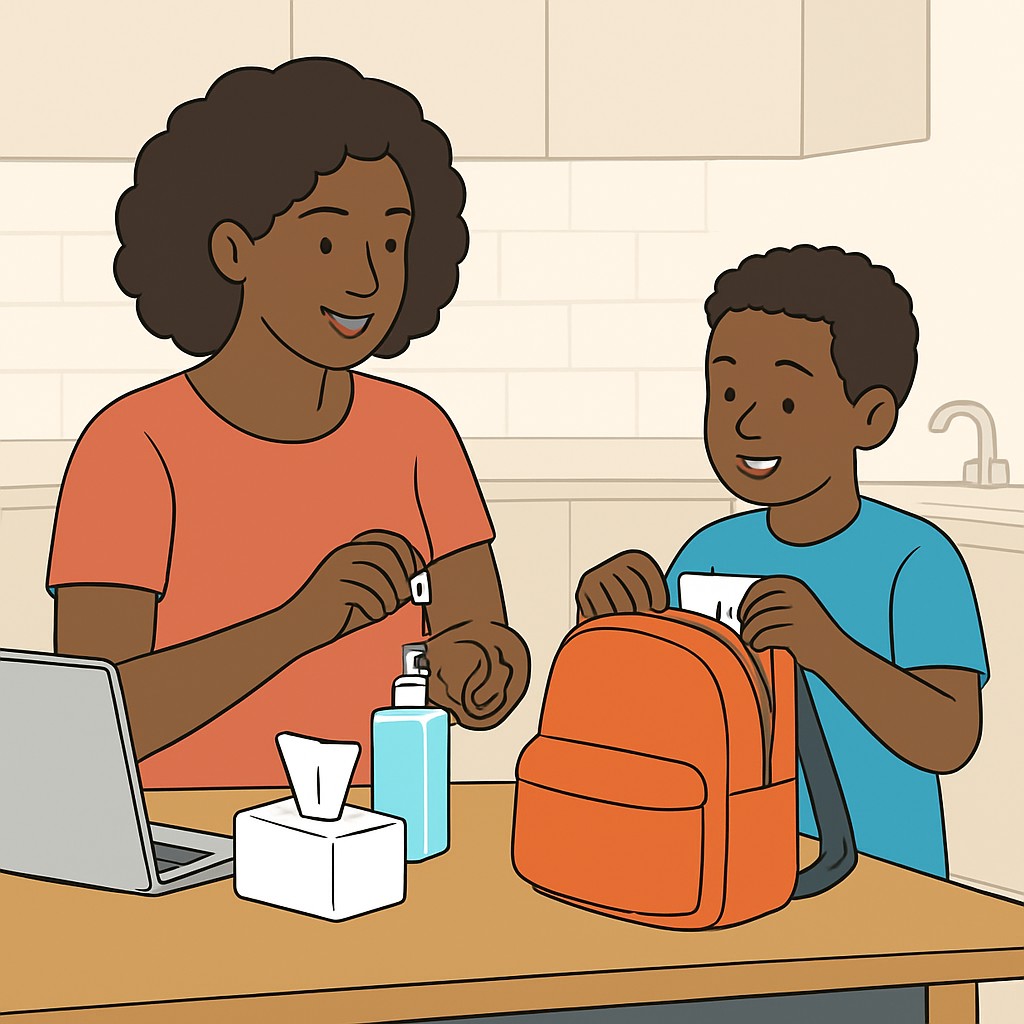
Follow practical measures to reduce exposure during transit and drop-off times.
Plan travel and arrival routines to limit time in crowded areas.
Practice consistent routines to make handoffs quicker and calmer.
Before You Leave Home
Plan travel times to avoid crowded transit and busy drop-off windows.
Also leave extra time to reduce rushing during arrival and handoffs.
Pack a designated bag for school items and keep it separate from daily items.
Finally include a sealed spare clothing set for quick changes if needed.
Transit Choices and Etiquette
Choose routes that minimize time in crowded spaces when possible.
Next teach your child to avoid touching communal surfaces during transit.
Also maintain distance from visibly unwell individuals when feasible.
At Drop-off
Arrive with a calm and efficient routine to shorten time at the school entrance.
Then hand belongings directly to staff when the school requests drop-off assistance.
Avoid unnecessary lingering near classroom doors and playground gates.
Also follow school drop-off signage and staff directions to streamline the process.
After drop-off follow school hand hygiene protocols if the school recommends them.
Managing Clothing and Bags
Use outer layers that you can remove easily at arrival.
Store coats and bags in a separate container or bag at home after arrival.
Label a specific pocket or compartment for items that should not mix with other belongings.
Inspect bags and remove visible debris before storing them at home.
Keep a small sealed bag for soiled clothes to prevent contamination of other items.
Quick Checklist for Drop-off Routines
Plan to arrive early to avoid peak entry windows.
Keep a separate bag for school items to simplify organization.
Hand paperwork and items directly to staff during brief drop-offs.
- Arrive with time to spare to avoid crowded entry times.
- Use a designated school bag to keep school items together.
- Give staff any paperwork or items directly during quick handoffs.
- Store spare clothing in a sealed bag within the school bag.
- Inspect and separate soiled items from other belongings at home.
Delve into the Subject: Practical Meal Prep Ideas for Busy Nigerian Parents
Recognizing Early Illness and Stay-Home Guidelines
Watch for changes from your child’s usual energy, mood, or routine.
Therefore, keep your child home when they cannot safely join classroom activities.
Next, ensure clear improvement before sending your child back to school.
Overview
Additionally, previous sections already covered hygiene and preventive steps briefly.
Note visible physical changes that differ from everyday appearance.
Monitor behavior shifts such as increased clinginess or withdrawal.
Early Warning Signs to Watch For
Observe any new or persistent discomfort that limits normal activity.
- Track changes in eating, sleeping, or toileting compared to normal.
- Record any sudden need for extra attention or rest during the day.
When to Keep Your Child Home
- Keep the child home if they need more care than school can provide.
- Also keep them home if their condition might affect other children.
- Follow any specific school requests about staying home after symptoms begin.
- If unsure, seek guidance from your usual health advisor or clinic.
When to Return to School
- Return when the child can participate in normal activities without extra care.
- Also return when any concerning signs have noticeably diminished or stopped.
- Additionally follow school policies or a health professional’s advice when required.
- If the school requests medical clearance, obtain the appropriate documentation first.
Practical Monitoring Tips at Home
Meanwhile, keep a simple symptom log to track changes over short periods.
Also note when symptoms began and what makes the child feel better.
Furthermore share concise notes with caregivers when reporting absences.
Communication with School and Caregivers
Finally, notify the school promptly when you keep your child home.
Also describe observable changes and how they affect daily functioning.
Moreover coordinate return plans with teachers and care staff when possible.
Easing the Transition and Managing Stress
Supportive routines and social steps reduce stress during school starts.
These approaches help children build confidence in new settings.
They also ease separation and speed adaptation.
Gradual Social Exposure
Begin with short low-pressure interactions outside busy school times.
Then increase time and group size as your child shows comfort.
Also use familiar caregivers to support early encounters.
Supervised Playdates
Arrange playdates in calm settings with gentle supervision.
Keep guest lists small to reduce overstimulation.
Model friendly greetings and turn-taking during visits.
- Choose familiar locations for initial meetings.
- Coordinate with other parents about expectations and routines.
- Observe interactions while allowing safe independence.
Routines That Reduce Anxiety
Establish simple predictable morning and evening routines.
Additionally include calming activities before school starts.
Keep transitions calm and brief.
- Keep consistent wake-up and preparation patterns.
- Offer a transitional object for comfort when appropriate.
- Create a short goodbye ritual that feels reassuring.
- Use calm and positive language at drop-off times.
Preparing Your Child Emotionally
Talk about school positively and answer questions honestly.
Role-play common scenes to build familiarity.
Encourage expression of feelings through words or play.
Also align these steps with earlier guidance when appropriate.
Signs of Transition Stress and When to Seek Help
Watch for persistent clinginess or sudden changes in sleep or appetite.
Observe intense fear or behaviors that limit daily activities.
Additionally seek support from teachers or a pediatrician if concerns persist.
Tips for Parents and Caregivers
Prepare yourself by managing your own stress.
Plan gradual expectations for both child and caregiver.
Celebrate small steps and progress.


