




Assessing Family Interests and Preferences Before Choosing a Destination
Understanding Each Family Member’s Preferences
Begin by discussing travel ideas with every family member.
Ask about their favorite activities and interests.
Consider hobbies like hiking, history, or cultural experiences.
Also, explore interest in relaxing versus adventurous trips.
This approach ensures everyone feels included and excited.
Considering Age-Appropriate Activities
Keep in mind the age range in your family.
Young children may prefer playgrounds and animal encounters.
Teenagers often enjoy water sports or visiting entertainment parks.
Adults might appreciate historical sites and local cuisine tours.
Balance activities to suit all age groups for a harmonious experience.
Evaluating Budget and Travel Preferences
Discuss your overall budget for the trip openly.
Some may prefer short drives while others enjoy longer journeys.
Consider accommodation preferences, such as hotels or guesthouses.
Choose destinations that offer good value and fit your financial plan.
Collecting Input Using Family Meetings or Surveys
Hold a family meeting to gather everyone’s ideas effectively.
Parenting Made Just for You
Get personalized Parenting Solutions tailored to your child’s needs. Transform your parenting journey with expert guidance in 1-3 days.
Get StartedUse simple questionnaires to list preferred destinations and activities.
This strategy helps identify popular options quickly and fairly.
Encourage honest feedback to avoid surprises during the trip.
Checking Accessibility and Special Needs
Identify any mobility or health constraints within the family.
Opt for destinations with suitable facilities for comfort and safety.
Confirm availability of medical services near the location.
This attention keeps the trip enjoyable for all participants.
Researching Suitable Destinations Based on Interests
Match the collected preferences to potential Nigerian destinations.
Look for places offering diverse activities for families.
Consider popular family-friendly spots like Obudu Cattle Ranch or Yankari National Park.
Ensure the destination suits activities your family values most.
Researching Child-Friendly Attractions and Activities Across Nigeria
Exploring Popular Destinations for Kids
Families benefit from discovering spots designed to entertain children of various ages.
For example, the Lekki Conservation Centre in Lagos offers a safe outdoor adventure.
Moreover, it features a canopy walkway that thrills kids and nurtures their love for nature.
Unveil the Perfect Name that Tells Your Family's Story
Let us help you find a name that embodies your family's values, traditions, and dreams. Our personalized consultation weaves cultural insights to create a name that's uniquely yours.
Get StartedSimilarly, the Enugu Zoo provides opportunities for children to learn about Nigerian wildlife.
In addition, the National Children’s Park and Zoo in Abuja delivers both fun and education.
Identifying Cultural and Educational Spots
Many museums and cultural centers in Nigeria tailor activities for young visitors.
The National Museum in Lagos offers interactive exhibits suitable for children.
Furthermore, the Nigerian National Theatre hosts children’s plays and workshops regularly.
These experiences introduce kids to Nigeria’s rich cultural heritage while keeping them engaged.
Considering Recreational Facilities and Amusement Parks
Recreational parks provide a perfect balance of fun and safety for children.
For instance, Hi-Impact Planet in Lagos has rides and games for all age groups.
Additionally, Dreamworld Africana offers water parks and playgrounds that children enjoy immensely.
Families should check opening hours and safety measures before planning visits to these places.
Utilizing Online Resources and Local Recommendations
Planning becomes easier by researching online reviews and family travel blogs.
Local parents often share valuable insights about child-friendly spots within their communities.
Parents can join social media groups like “Family Fun Nigeria” for up-to-date suggestions.
Travel agencies such as GreenSafaris Nigeria also provide curated family packages focused on children.
Factoring in Accessibility and Amenities
Choose attractions that offer convenient facilities like clean restrooms and dining options.
Places with stroller access and shaded rest areas help keep young children comfortable.
Additionally, seek destinations near medical centers to ensure safety during the trip.
Proper amenities enhance the overall experience for parents and kids alike.
Setting a Realistic Budget for the Entire Family Trip
Assessing Family Needs and Priorities
Begin by discussing the trip goals with all family members.
Consider the interests and preferences of both adults and children.
Calculate the optimal duration considering everyone’s availability and stamina.
Prioritize activities that everyone will enjoy and find worthwhile.
Estimating Major Expense Categories
Transportation often forms the largest part of the budget.
Compare costs between flying, driving, or bus travel for convenience and price.
Accommodation expenses vary greatly; choose between hotels, guesthouses, or camping.
Food costs depend on dining choices; plan for both eating out and grocery shopping.
Entertainment and entrance fees should also be included in the budget.
Researching Costs in Advance
Use websites like TravelNaija Tours and Nigerian Getaways to check current prices.
Ask friends and family about their recent trips for realistic spending insights.
Contact local lodges such as Zaria Hills Eco Resort for updated accommodation rates.
Look for seasonal discounts and family packages to stretch your budget further.
Allocating Funds for Unexpected Expenses
Set aside at least 10 to 15 percent of the total budget for emergencies.
Unexpected costs might include medical needs or last-minute itinerary changes.
Having an emergency fund keeps the trip stress-free and enjoyable.
Creating a Detailed Budget Plan
List all the estimated expenses in a spreadsheet for easy tracking.
Break down costs by category and assign realistic spending limits per item.
Review the budget regularly to monitor actual expenses versus estimates.
Adjust plans as needed to stay within the set financial limits.
Maximizing Savings Through Smart Planning
Book flights and accommodations early to secure better rates.
Consider off-peak travel times for lower prices and less crowded destinations.
Use family discounts and group rates whenever possible.
Prepare some meals or snacks to reduce food expenses during the trip.
Uncover the Details: Building Bonds Through Shared Hobbies and Games
Choosing Suitable Accommodation That Caters to Families
Identifying Family-Friendly Features
Look for accommodations that offer spacious rooms for families.
Check if the property provides child-friendly amenities.
For example, swimming pools with shallow areas are ideal for kids.
Additionally, playgrounds or recreational spaces make stays enjoyable.
Ensure the accommodation has safety features like childproof locks.
Location and Convenience
Choose accommodations near main attractions to reduce travel time.
Also, consider access to hospitals and pharmacies for emergencies.
Nearby supermarkets and restaurants offer convenience for family meals.
Moreover, secure parking is important if you are driving with family.
Types of Accommodation to Consider
Hotels with family suites provide comfort and convenience.
Self-catering apartments allow flexibility for meal preparations.
Resorts with all-inclusive packages can simplify budgeting for families.
Guesthouses often offer a homely atmosphere for children to relax.
Evaluating Services and Facilities
Check if babysitting or childcare services are available on-site.
Look for amenities such as laundry services, which ease long stays.
Wi-Fi and entertainment options keep children engaged during downtime.
Friendly staff who understand family needs enhance your overall experience.
Booking Tips for Family Accommodation
Book early to secure the best rooms and rates for your family.
Read reviews from other families to gauge suitability and safety.
Contact the property directly to clarify any specific requirements.
Finally, compare prices using trusted travel platforms for the best deals.
Find Out More: Introducing Nigerian Children to Arts and Crafts for Fun and Skill
Planning Safe and Comfortable Transportation Options Within Nigeria
Choosing the Right Mode of Transportation
Select a transportation mode that suits your family's size and budget.
Consider private car hire, commercial buses, and domestic flights as options.
Private car hire offers flexibility and personalized comfort for families.
Reputable companies like Royal Lagos Rentals provide reliable vehicles and drivers.
Commercial buses are cost-effective for long-distance travel within Nigeria.
Choose well-known operators such as Zenith Travels to ensure safety and punctuality.
Domestic flights save time and reduce travel fatigue for longer trips.
Airlines like Arik Air and Air Peace serve key destinations nationwide.
Ensuring Safety During Travel
Verify that your chosen transportation company follows Nigerian safety regulations.
Check that vehicles are regularly inspected and properly maintained.
Confirm that drivers hold valid licenses and have clean driving records.
Use safety equipment such as seat belts at all times during travel.
Avoid traveling at night in unfamiliar or high-risk areas for added security.
Making Travel Comfortable for Children
Plan frequent rest stops on long journeys to reduce fatigue for children.
Bring along snacks, water, and entertainment like books or tablets.
Ensure the vehicle has proper ventilation and a comfortable seating arrangement.
For infants, bring appropriate car seats to maintain safety and comfort.
Inform your transportation provider about any special needs in advance.
Booking and Preparing for Your Trip
Book your transportation well in advance to secure the best options and rates.
Confirm all travel details with the provider a few days before departure.
Keep emergency contacts handy, including local authorities and your transport company.
Share your travel itinerary with a trusted friend or family member.
Prepare travel documents such as tickets, identification, and necessary permits.
Gain More Insights: The Importance of Playtime for Child Development in Nigeria
Packing Essentials and Safety Gear Tailored for Children
Choosing Comfortable and Practical Clothing
Start by selecting lightweight and breathable clothes for your children.
Make sure to pack clothes suitable for Nigeria’s varying climates.
Include long-sleeved shirts and hats to protect children from the sun.
Also, bring a couple of warmer layers for cooler evenings or highland areas.
Prioritize easy-to-wash fabrics that dry quickly after outdoor activities.
Essential Child-Specific Items to Pack
Always carry enough nappies or pull-ups for younger children.
Pack wet wipes and hand sanitizer to maintain hygiene.
Include favorite snacks and refillable water bottles for hydration.
Remember to bring comfort items like a trusted toy or blanket.
Use child-friendly sunscreen with high SPF to avoid sunburn.
Safety Gear to Keep Kids Secure
Equip children with brightly colored hats or vests for easy visibility.
Bring insect repellent formulated especially for children’s sensitive skin.
Include a basic first aid kit stocked with child-appropriate supplies.
Pack a child-size life jacket if you plan to visit water bodies.
Consider wristbands or ID tags with parent contact details for young kids.
Organizing Packing for Smooth Travel
Use separate bags or compartments for each child’s belongings.
Label all items clearly with children’s names to avoid mix-ups.
Pack an extra set of clothes easily accessible during travel.
Distribute weight evenly in bags to avoid strain during carrying.
Check and double-check your list before departure to prevent missing essentials.
Delve into the Subject: Weekend Fun: Affordable Family Day Trips Around Nigeria
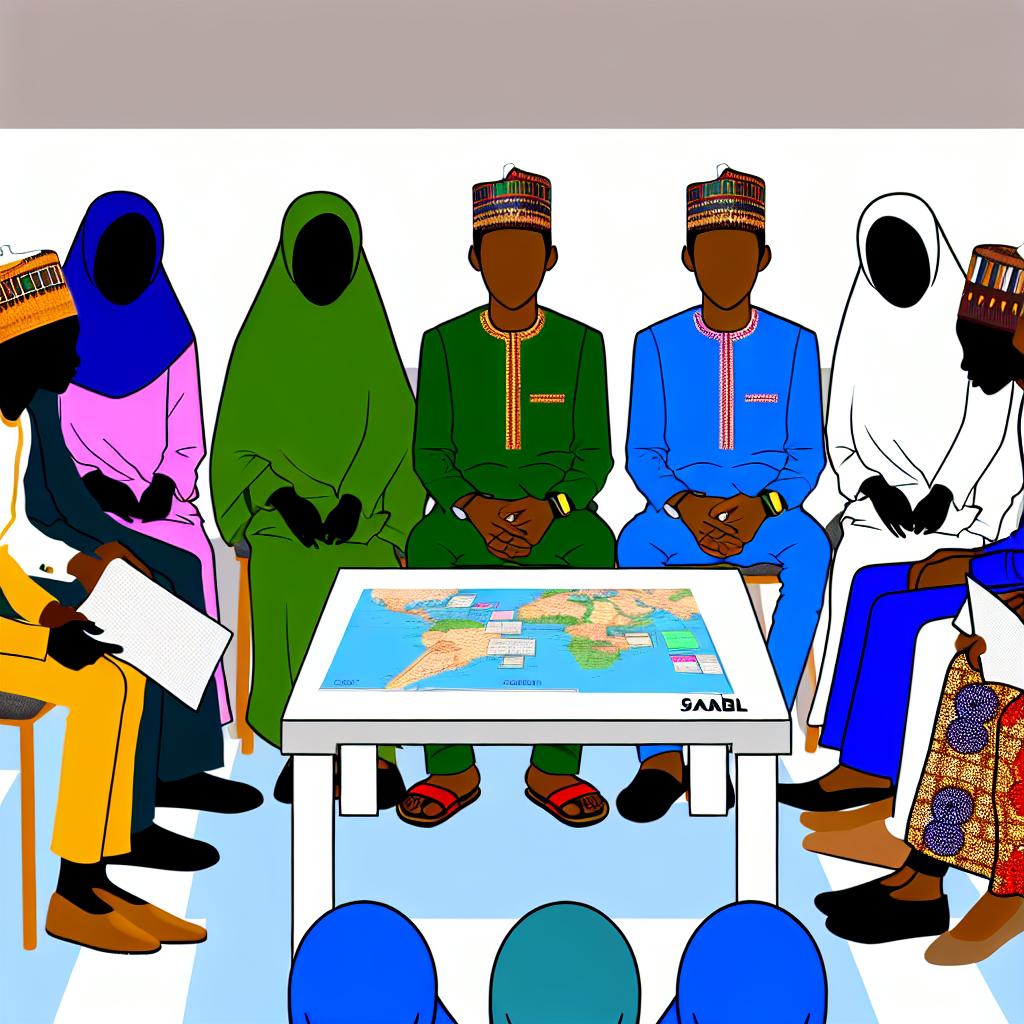
Scheduling a Flexible Itinerary That Balances Activities and Rest
Importance of Balancing Activities and Downtime
Planning a family trip requires careful balance between activity and rest.
Too many activities can tire children and adults quickly.
On the other hand, too much rest might bore the family.
Therefore, scheduling a flexible itinerary eases travel tensions.
It allows everyone to enjoy and recharge appropriately.
Designing a Family-Friendly Itinerary
Start by listing fun attractions suitable for all family members.
Include parks, cultural sites, and family-friendly restaurants.
Next, allocate enough time for breaks between activities.
Plan shorter excursions on some days for lighter schedules.
Consider the energy levels of younger children when planning.
Creating Flexibility in Your Schedule
Always leave room to adjust plans as the day unfolds.
If a child feels tired, shift to quieter, relaxing activities.
Flexible time allows spontaneous exploration without stress.
Use local advice from guides like Evergreen Family Tours in Lagos.
They provide tailored suggestions based on family needs and weather.
Tips for Balancing Activity and Rest
- Alternate high-energy excursions with calm, easygoing experiences.
- Break up long travel stretches with rest stops at scenic views.
- Schedule nap or quiet time especially for toddlers.
- Include mealtimes that double as family bonding moments.
- Maintain a loose schedule to adapt to unexpected changes smoothly.
Using Day and Night to Your Advantage
Plan outdoor activities during cooler morning hours.
Reserve mid-afternoon for indoor rest or light activities.
Evenings can include gentle walks or local cultural shows.
This routine supports natural energy peaks and valleys for kids.
Moreover, it keeps the family energized for the next day.
Ensuring Access to Medical Facilities and Emergency Contacts
Researching Nearby Medical Facilities
Before traveling, identify medical centers close to your destination.
Use reliable sources like local health directories or government websites.
Check the quality and specialization of facilities, especially pediatric care.
Additionally, note operating hours for clinics and hospitals.
Contact the facilities beforehand to confirm availability and services.
Preparing Emergency Contacts
Create a list of emergency contacts for your entire family.
Include phone numbers for local hospitals, clinics, and ambulance services.
Also add contacts for nearby pharmacies and emergency vets if traveling with pets.
Share the list with all family members traveling on the trip.
Ensure mobile phones are loaded with these contacts for quick access.
Taking Precautionary Health Measures
Pack a first aid kit with essentials tailored to your family’s needs.
Carry any prescribed medications along with copies of prescriptions.
Inform your family about allergy information and emergency protocols.
Consider travel insurance that covers medical emergencies within Nigeria.
Lastly, stay informed about common health risks in each travel area.
Incorporating Cultural and Educational Experiences for Children
Exploring Nigeria’s Rich Cultural Heritage
Introduce children to Nigeria’s diverse cultures through interactive experiences.
Visit local museums such as the National Museum in Lagos or Abuja Museum to spark curiosity.
Participate in traditional dance and music workshops to engage children actively.
Furthermore, explore cultural festivals like the Eyo Festival to witness vibrant traditions firsthand.
Educational Visits to Historical Sites
Plan trips to historical locations including the Benin City Moat and Kano Emirate Walls.
Children learn about Nigeria’s history by walking through these ancient landmarks.
Additionally, combine storytelling sessions with guided tours for a deeper understanding.
Such experiences enhance knowledge while keeping trips enjoyable and memorable.
Engaging with Local Art and Crafts
Introduce children to local artisans in cities like Oshogbo and Jos.
Watch craftsmen create traditional pottery, weaving, and beadwork in person.
Children can try their hand at crafts, boosting creativity and appreciation for skills.
Also, encourage visits to craft markets to observe a variety of handmade goods.
Involving Children in Language and Cuisine
Expose children to Nigeria’s many languages by learning common phrases during visits.
Participate in language workshops or informal lessons with locals to build interest.
Sample local Nigerian dishes such as jollof rice, pounded yam, and suya together.
This practice nurtures cultural appreciation through taste and communication.
Balancing Fun with Learning through Nature and Wildlife
Visit national parks like Yankari Game Reserve to explore Nigeria’s wildlife and landscapes.
Children gain environmental awareness and respect for nature during guided tours.
Combine outdoor activities with educational talks to make nature trips insightful.
Encourage children to document their observations through drawings or journals.
Preparing for Weather Conditions and Seasonal Considerations
Understanding Nigeria’s Climate Zones
Nigeria features diverse climate zones.
Each zone has unique weather patterns.
The southern region experiences a tropical rainforest climate.
This area receives heavy rainfall.
In contrast, the northern region has a semi-arid climate.
This region experiences dry seasons.
Recognizing these climate differences helps you plan trips better.
For example, coastal areas like Lagos have more consistent rain.
Meanwhile, cities such as Kano experience intense heat during dry seasons.
Planning Around the Rainy and Dry Seasons
The rainy season typically lasts from April to October.
This happens in most parts of Nigeria.
Heavy rains might disrupt travel plans during this time.
On the other hand, the dry season runs from November to March.
This season offers more stable weather for outdoor activities.
However, harmattan winds can bring dust and cooler temperatures.
Therefore, consider your trip timing relative to these seasons.
Tips for Packing According to Weather
Always pack lightweight, breathable clothing for humid conditions.
Include waterproof jackets or umbrellas if traveling in the rainy season.
Bring sunscreen and hats to protect from strong sun exposure.
Additionally, pack warmer layers for harmattan or cooler northern nights.
Comfortable, sturdy shoes help during muddy or rough terrains.
Lastly, keep mosquito repellent handy to prevent insect bites.
Checking Weather Forecasts Before Departure
Consult reliable weather sources like the Nigerian Meteorological Agency online.
Local news outlets provide daily weather updates for major cities.
Mobile weather apps can deliver timely alerts on changing conditions.
Adjust your itinerary if forecasts predict severe storms or flooding.
Communicate with your accommodation for weather-related advice.
Adapting Activities to Seasonal Conditions
During rainy months, prefer indoor or covered attractions.
This approach works well for family outings.
The dry season allows more options for hiking and beach visits.
You can also enjoy outdoor sports during this time.
Seasonal festivals often align with weather conditions.
Plan to include such events to enrich the family travel experience.
Avoid remote areas prone to flooding during heavy rains.
Flexibility in plans ensures everyone stays safe and enjoys the trip.
Additional Resources
I am writing you this letter in concern for the economy, my family, and …
Nigeria is not the most popular travel destination for several reasons …