




Expressing Needs Clearly
Children need words that help them express their needs clearly.
Encourage children to state what they need using simple, direct language.
For example, invite them to explain when they need help, space, or attention.
Then, give them time to finish speaking without interruption.
Sharing Thoughts and Questions
Children can practice sharing their thoughts during everyday conversations.
Encourage them to describe what they think in their own words.
Additionally, invite children to ask questions whenever they need clarification.
Show interest in their questions and respond with clear, simple answers.
Naming Feelings
Children also need language for expressing their feelings.
Encourage them to identify and state how they feel.
They can explain their feelings instead of relying only on actions.
Meanwhile, listen calmly and acknowledge their words.
Practicing Respectful Conversation
Teach children to speak clearly while respecting another person’s opportunity to speak.
Encourage them to listen, wait, and respond to what others say.
Furthermore, practice conversations that include statements, questions, and answers.
Parenting Made Just for You
Get personalized Parenting Solutions tailored to your child’s needs. Transform your parenting journey with expert guidance in 1-3 days.
Get StartedRegular practice helps children use communication skills during different interactions.
Building Readiness Through Listening
Children benefit from practicing attention before they start school.
First, invite children to pause and focus before receiving a direction.
Use a calm voice and remove unnecessary distractions during important instructions.
Then, give children enough time to listen before expecting action.
Making Directions Clear
Give one simple direction when children need support with a task.
Use familiar words that children can understand easily.
Keep directions specific, brief, and connected to the immediate activity.
After speaking, ask children to explain what they need to do.
This check helps identify confusion before children begin.
Practicing Sequential Directions
Gradually introduce directions that include more than one step.
Encourage children to complete the first step before continuing.
Use transition words such as “then” and “next” to connect actions.
Pause between steps so children can process each instruction.
Unveil the Perfect Name that Tells Your Family's Story
Let us help you find a name that embodies your family's values, traditions, and dreams. Our personalized consultation weaves cultural insights to create a name that's uniquely yours.
Get StartedOffer reminders when necessary, while allowing children to continue independently.
Supporting Independent Task Completion
Let children begin familiar tasks after hearing the direction.
Stay nearby without completing the task for them.
Provide guidance when children need help understanding the next action.
Encourage children to check their progress as they work.
Afterward, invite them to describe which steps they completed.
Strengthening Listening Habits
Encourage children to look toward the speaker during important directions.
Teach them to wait until the speaker finishes talking.
Remind children to ask for clarification when instructions seem unclear.
Also, encourage them to listen without interrupting.
Consistent practice helps children recognize listening as part of completing tasks.
Creating Helpful Practice Opportunities
Use everyday routines to practice listening and following directions.
Choose tasks that match the child’s current ability.
Increase the challenge gradually as children manage directions more independently.
Give children opportunities to repeat directions before acting.
Finally, acknowledge their effort when they listen, remember, and complete instructions.
Building Sharing and Cooperation Skills
Sharing and cooperation help children participate positively in classroom activities.
These skills support joint use of materials and shared group tasks.
Regular practice helps children apply cooperative habits across classroom activities.
Taking Turns During Shared Activities
Teach children to wait while another child uses a shared material.
Then, encourage each child to take a turn when the material becomes available.
Use simple routines to show when one turn ends and another begins.
Additionally, remind children that everyone deserves an opportunity to participate.
Sharing Materials During Activities
Invite children to use materials together during shared activities.
Encourage them to offer materials instead of keeping everything for themselves.
Next, show children how to pass materials carefully to another child.
When materials are limited, help children find fair ways to share them.
Participating in Group Activities
Include children in activities that require shared participation.
Give each child opportunities to contribute to the group.
Meanwhile, encourage children to remain involved while classmates take their turns.
Furthermore, help children recognise that group activities require cooperation.
Working With Classmates
Encourage children to complete shared tasks alongside their classmates.
Help them contribute ideas while respecting other children’s contributions.
Also, invite children to cooperate when they use the same materials.
Finally, guide them to make space for classmates during group work.
Supporting Cooperative Habits
Practise sharing and turn-taking regularly through everyday activities.
Offer gentle reminders when children need help cooperating.
Recognise children when they share materials or wait patiently.
Gradually, encourage children to use these habits during different group activities.
Find Out More: Preparing Your Child’s Speech Before School Starts
Emotional Regulation
Children need support identifying strong emotions before starting school.
Adults can help children notice when their feelings become intense.
They can use simple words to describe emotions clearly.
Recognising Strong Emotions
Children can learn to connect feelings with changes in their bodies.
For example, they might notice tension, tears, or a faster heartbeat.
Recognising these signs helps children understand their emotional experiences.
Managing Frustration
Children may feel frustrated when situations become difficult.
Adults can acknowledge frustration without dismissing the child’s feelings.
They can encourage children to pause before reacting.
Next, children can describe what feels difficult.
They can then consider an appropriate way to respond.
This process helps children approach challenges with greater awareness.
Choosing Calming Responses
Children can practise calming themselves when strong emotions arise.
They might pause, breathe slowly, or sit quietly.
Additionally, they can ask for support when they need help calming down.
Adults should model calm responses during emotionally difficult moments.
Children can observe and practise these responses over time.
Practising Emotional Regulation
Short conversations can help children reflect after strong emotions pass.
Adults can ask children what they noticed and how they responded.
They can discuss which calming choices felt appropriate.
Gradually, children can recognise emotions and choose suitable responses more independently.
Uncover the Details: Physical Skills Children Need For First School Days
Building Friendships
Children can build friendships by approaching others with confidence.
Friendly beginnings help children feel ready to connect with classmates.
Together, these steps create a comfortable start for classroom connections.
Greeting Others
Encourage children to greet others with a friendly hello.
They can face the person and use a clear voice.
Additionally, a smile can make the greeting feel welcoming.
Children can also respond when someone greets them.
Practising greetings can make starting conversations feel more comfortable.
Introducing Themselves
Children can learn to share their names when meeting someone new.
They can add a simple statement about wanting to play.
For example, children might say, “My name is ___. Can I play?”
Simple introductions give children a clear way to begin interactions.
Joining Play
Children can watch nearby play before approaching the group.
Then, they can ask to join the activity.
They can also offer a helpful idea related to the play.
Waiting for a suitable moment can help children enter play respectfully.
If others say no, children can try another activity or approach later.
Developing Positive Relationships
Children can show interest by asking others to play again.
They can use friendly words when beginning and ending interactions.
Kind behaviour helps children create positive connections with classmates.
Adults can notice friendly attempts and encourage children to keep practising.
With practice, children can feel more confident making friends before starting school.
See Related Content: Signs Your Child May Be Ready For School In Nigeria
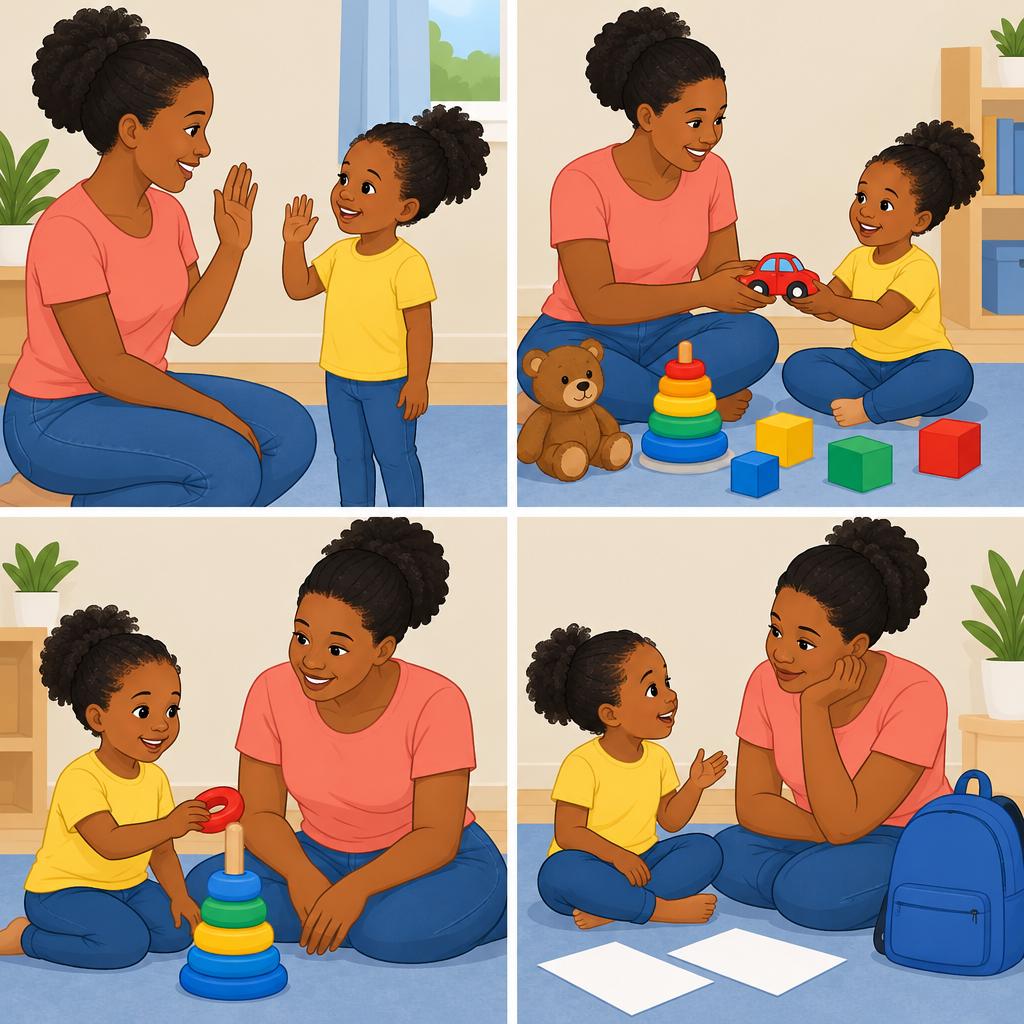
Building Conflict-Resolution Skills
Children can manage disagreements by using words, listening, negotiating, apologising, and seeking adult help.
These skills help children respond respectfully during everyday conflicts.
With practice, children can handle problems more calmly and fairly.
Using Words During Disagreements
Encourage children to describe problems calmly during disagreements.
They can explain what happened without blaming or insulting anyone.
Children can also describe how the disagreement affects them.
Simple phrases help children communicate concerns clearly.
For example, children can say, “I was using that.”
They might also say, “Please give it back.”
When someone crosses a boundary, children can say, “I do not like that.”
After speaking, encourage children to pause and listen to the other person’s words.
Negotiating Fair Solutions
Negotiation helps children consider another person’s wishes during disagreements.
First, ask each child to explain what they want.
Next, help them find a solution that respects both perspectives.
Children might suggest taking turns or sharing access.
They could also choose another option.
However, adults should guide the process without solving every disagreement.
With practice, children can offer ideas and respond to suggestions.
They can also recognise when a solution feels fair to everyone involved.
Apologising and Repairing Harm
An apology helps children acknowledge actions that caused harm or distress.
Encourage children to name what they did and recognise its effect.
Then, ask them to offer a sincere apology without excuses.
When appropriate, children can ask how they might repair the situation.
Repair may involve returning an item or correcting hurtful words.
It may also involve changing future behaviour.
Adults can model respectful apologies during everyday disagreements.
Therefore, children learn that apologies can support relationships after conflict.
Knowing When to Seek Help
Children need to understand that adult help supports safety and problem-solving.
Encourage them to ask for help when they cannot resolve disagreements independently.
They should seek assistance when someone feels unsafe or hurt.
Children should also ask for help when someone cannot stop the conflict.
They can explain the situation clearly and describe the help they need.
For example, they might say, “We need help solving this problem.”
However, children should not use adult help for every minor disagreement.
Instead, encourage them to try respectful words and negotiation first.
Practising Conflict-Resolution Steps
Practise a simple sequence that children can remember during disagreements.
First, encourage them to stop and use calm words.
Next, help them listen and suggest a fair solution.
Then, encourage an apology when someone causes harm.
Finally, remind them to seek adult help when problems continue.
Role-play gives children opportunities to practise each step.
After each practice, discuss which words helped.
Also, ask what children could try next time.
Consistent guidance helps children use these skills during everyday conflicts.
You Might Also Like: Understanding Cognitive Growth in Nigerian Toddlers
Respect and Classroom Manners
Respect helps children participate safely and positively in classroom life.
Classroom manners guide positive interactions among children and teachers.
These habits help children contribute respectfully during daily classroom activities.
Respecting Personal Space
Teach children to notice where their bodies fit around other people.
Encourage children to keep appropriate distance during classroom activities.
Also, remind them to avoid touching others without permission.
Children should recognize that everyone deserves comfort and personal space.
Caring for Belongings
Teach children to handle their own belongings carefully.
They should also treat classroom materials and other children’s possessions respectfully.
Encourage children to ask before using something that belongs to someone else.
Additionally, children can return borrowed items to their proper place.
Following Classroom Rules
Explain that classroom rules help everyone learn and participate.
Encourage children to follow rules even when adults provide no reminder.
Children can show responsibility by stopping, listening, and responding to classroom expectations.
Consistent reminders help children understand that rules apply throughout the classroom.
Showing Respect to Teachers
Teach children to acknowledge teachers and respond respectfully.
They should use polite language when speaking with teachers.
Children can demonstrate respect by waiting while teachers speak.
Furthermore, they can follow directions without interrupting classroom activities.
Treating Other Children Kindly
Encourage children to use considerate words and respectful actions with classmates.
They should recognize that every child deserves fair and courteous treatment.
Remind children to respect different ideas, preferences, and ways of participating.
With practice, children can contribute to a welcoming classroom environment.
Practising Everyday Manners
Teach children to use polite expressions during ordinary classroom interactions.
Encourage them to wait patiently when another person needs attention.
They can also acknowledge help and show appreciation appropriately.
These habits support respectful relationships with teachers and classmates.
Building Self-Advocacy and Independence
Children need confidence before starting school.
They can express needs and make responsible choices.
These skills support participation and self-advocacy.
Practising Requests for Help
First, teach children to recognise when they cannot manage something alone.
Then, encourage them to approach a trusted adult and ask for help.
Children can practise making clear requests instead of waiting silently.
Meanwhile, role-play helps children seek assistance during everyday situations.
Afterward, acknowledge their effort when they ask for support appropriately.
Communicating Discomfort
Children should know they can speak up when something feels uncomfortable.
Encourage them to describe discomfort calmly and seek support from a trusted adult.
Furthermore, teach children to move away from unsafe or distressing situations.
They can repeat their concerns if someone does not respond immediately.
Consequently, children learn that their feelings and boundaries deserve attention.
Caring for Basic Needs
Encourage children to notice when they need food, water, rest, or personal care.
Next, help them communicate those needs clearly and respectfully.
Children can pause and check what their bodies require.
They can also manage suitable personal tasks with growing independence.
Offer reminders while allowing children to complete manageable steps themselves.
Making Responsible Choices
Give children opportunities to choose between suitable options.
Explain that responsible choices consider safety, shared expectations, and other people.
Before choosing, encourage children to pause and consider possible results.
They can accept guidance when a choice creates a problem.
Afterward, invite them to consider better choices for next time.
Strengthening Everyday Independence
Break familiar responsibilities into simple steps children can remember.
Encourage children to begin tasks without constant adult direction.
However, remain available when they need clarification or reassurance.
Gradually reduce reminders as children show greater confidence and responsibility.
As a result, children can enter school ready to participate and advocate for themselves.
Additional Resources
Bing search results for Social Skills Children Need Before Starting School Developmental Milestones


