




Introduction to Cognitive Growth
Definition of Cognitive Growth
Cognitive growth refers to the development of thinking and learning abilities in young children.
This growth includes skills such as problem-solving, memory, and attention.
Furthermore, cognitive growth helps toddlers understand their environment.
This development forms the basis for future learning and decision-making.
Importance of Cognitive Growth in Early Childhood
Early cognitive growth shapes a child’s ability to communicate effectively.
It also creates the foundation for emotional intelligence and social skills.
In addition, strong cognitive skills contribute to better academic performance later.
Therefore, monitoring this growth lets parents and caregivers provide proper support.
Factors Influencing Cognitive Growth in Nigerian Toddlers
Cultural practices play a key role in toddlers’ cognitive development.
Nutrition also critically affects brain growth during early years.
Environmental stimulation, such as interaction and play, improves learning abilities.
Access to healthcare ensures early detection of developmental challenges.
Recognizing Milestones of Cognitive Growth
Toddlers usually begin to recognize familiar faces and objects around them.
They start imitating sounds and simple words at this stage.
Problem-solving skills appear as toddlers explore cause and effect relationships.
Parenting Made Just for You
Get personalized Parenting Solutions tailored to your child’s needs. Transform your parenting journey with expert guidance in 1-3 days.
Get StartedCaregivers can use these milestones to track developmental progress effectively.
Key Developmental Milestones for Nigerian Toddlers Aged 1-3 Years
Language and Communication Skills
Toddlers in Nigeria demonstrate rapid growth in language skills between ages one and three.
They begin to form simple sentences and use common words daily.
Moreover, they start understanding basic instructions and respond accordingly.
Parents often notice an increase in vocabulary during this period.
For example, little Ifeoma from Lagos started using two-word combinations by 24 months.
Listening to local stories and songs significantly supports this development.
Furthermore, interaction with family members encourages verbal expression.
Cognitive and Problem-Solving Abilities
Cognitive growth accelerates as toddlers explore their surroundings actively.
They learn to identify familiar objects and people quickly.
Also, toddlers begin to solve simple problems, such as fitting shapes into matching holes.
Play activities are essential to enhance thinking skills during this stage.
For instance, Tijani from Ibadan enjoyed puzzles that improved his memory and attention.
In addition, engaging in pretend play helps develop imagination and reasoning.
Unveil the Perfect Name that Tells Your Family's Story
Let us help you find a name that embodies your family's values, traditions, and dreams. Our personalized consultation weaves cultural insights to create a name that's uniquely yours.
Get StartedTherefore, caregivers should provide diverse toys and interactive experiences.
Motor Skills Development
Physical milestones become more evident as toddlers master new movements.
They start walking independently and improve balance over time.
Gross motor skills include climbing stairs and running with more confidence.
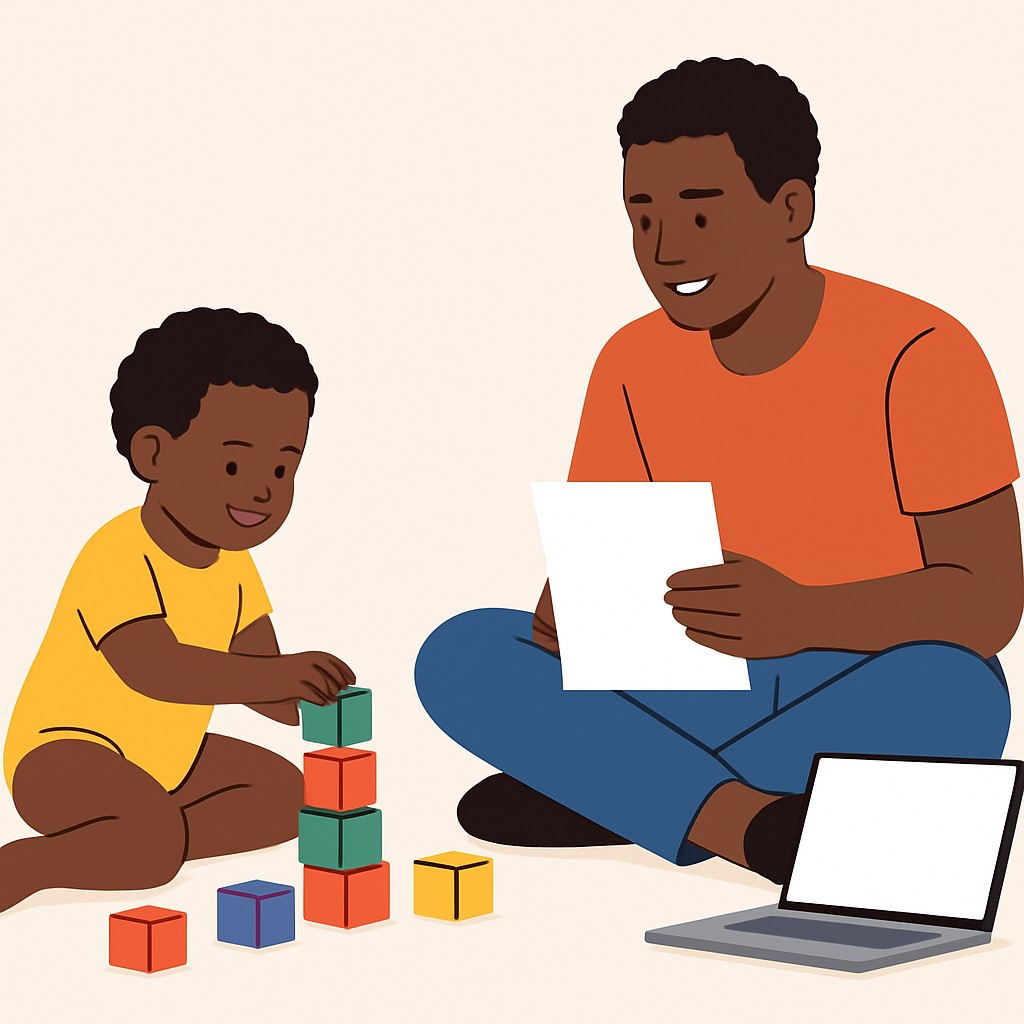
Toddlers also refine fine motor skills through activities like stacking blocks.
Chinelo from Enugu showed remarkable progress in hand-eye coordination by 30 months.
Playing with beads and drawing supports these fine motor advancements.
Active play both indoors and outdoors fosters stronger muscles and coordination.
Social and Emotional Growth
Toddlers begin forming stronger attachments with family and peers.
They express a wider range of emotions, including joy, frustration, and empathy.
Sharing and cooperative play gradually become part of their behavior.
Community festivals and family gatherings in Nigeria offer opportunities for social interaction.
For example, during festivals, toddlers learn to engage with multiple people effectively.
Positive reinforcement from caregivers promotes self-confidence and emotional regulation.
Nurturing relationships are vital to emotional well-being during these years.
Impact of Nutrition and Environment on Development
Proper nutrition significantly affects cognitive and physical development outcomes.
Balanced diets rich in local foods, like yams and leafy greens, are beneficial.
Clean and safe living environments reduce exposure to illnesses that hinder growth.
Community health programs in Lagos and Kano emphasize early childhood nutrition.
Parents and caregivers should encourage healthy eating habits and hygiene.
Furthermore, stable routines provide a sense of security that supports learning.
Effective Approaches to Supporting Toddler Development at Home
Creating a stimulating environment enhances natural learning tendencies.
Daily reading sessions nurture language and listening skills.
Providing toys that challenge problem-solving abilities promotes cognitive growth.
Encouraging social play with siblings and neighbors improves interpersonal skills.
Caregivers like Mrs. Okpara from Enugu use storytelling to impart cultural values.
Celebrating small achievements motivates toddlers to explore new skills confidently.
Active engagement and patience are key to fostering development effectively.
Cultural Influences on Cognitive Development in Nigerian Toddlers
Role of Language and Communication
Language deeply shapes cognitive growth in Nigerian toddlers.
Most children grow up bilingual or multilingual.
They speak Yoruba, Igbo, Hausa, or pidgin English.
This diversity enhances mental flexibility and problem-solving skills.
Storytelling traditions from caregivers enrich vocabulary and comprehension.
Parents like Mrs. Ijeoma Okafor engage toddlers through songs and folktales.
Consequently, toddlers develop early narrative skills and critical thinking.
Family Structures and Social Interactions
Nigerian family ties tend to be extended and close-knit.
Toddlers often interact with grandparents, aunts, and uncles.
These frequent interactions foster emotional security and social learning.
Elders also pass down cultural values and practical knowledge.
For example, Mr. Tunde Adewale involves grandchildren in family rituals.
Participation promotes memory skills and social role understanding.
Traditional Play and Learning Activities
Play in Nigerian culture includes many traditional games and crafts.
Children play games like ayo and hide-and-seek.
These games build counting skills and strategic thinking.
Artisans like Mrs. Kemi Oladipo involve toddlers in bead making and carving.
These activities develop fine motor skills and creativity.
Communal play also encourages cooperation and language development.
Impact of Religious and Spiritual Practices
Religious teachings influence toddlers’ cognitive frameworks significantly.
Attendance at church or mosque exposes children to music and rituals.
Parents like Mr. Ibrahim Musa include prayers and chants daily.
Repetition supports memory retention and pattern recognition.
Spiritual stories introduce complex concepts such as morality and cause-effect relationships.
Community Influence and Educational Exposure
Communities actively shape toddler cognition in many ways.
Local markets and festivals offer sensory-rich environments to explore.
Education-focused NGOs like Bright Minds Nigeria provide early learning materials.
Such initiatives promote literacy, numeracy, and curiosity.
Community norms emphasize respect, patience, and listening skills.
Together, these experiences create a supportive environment for cognitive growth.
Delve into the Subject: Tips for Supporting Your Child’s Transition Into Adolescence
The Role of Traditional Nigerian Family Structures in Supporting Cognitive Growth
Extended Family and Community Involvement
In Nigerian culture, the extended family plays a crucial role in child development.
Grandparents, aunts, uncles, and neighbors actively participate in raising toddlers.
This broad support network offers diverse learning experiences and emotional security.
Consequently, toddlers benefit from exposure to multiple communication styles.
Moreover, communal child-rearing strengthens social skills and emotional intelligence.
Oral Traditions and Storytelling
Storytelling remains a vital method for cognitive stimulation in Nigerian families.
Parents and elders narrate folk tales rich with moral lessons and cultural values.
These stories engage toddlers’ imagination and enhance language acquisition.
Furthermore, rhythmic patterns and repetition reinforce memory and concentration.
This oral engagement fosters both creativity and critical thinking from an early age.
Role of Play in Learning
Traditional games form an essential part of cognitive development in toddlers.
Children learn problem-solving and hand-eye coordination through play.
Elders often teach culturally specific games like “Ayo” or “Okwe.”
These activities improve attention span and social interaction skills.
In addition, play encourages curiosity and adaptive thinking in young children.
Parental and Elders’ Guidance in Cognitive Development
Parents and elders provide continuous guidance and encouragement during critical learning phases.
They model appropriate behaviors and reinforce positive habits consistently.
Furthermore, this guidance shapes toddlers’ understanding of societal norms and expectations.
Trust established through these relationships boosts cognitive confidence.
Therefore, strong mentorship supports both emotional and intellectual growth.
Importance of Language Diversity in Early Development
Nigeria’s multilingual environment exposes toddlers to various languages early on.
This exposure enhances brain flexibility and communication skills significantly.
Families often encourage use of native languages alongside English or Pidgin.
Such linguistic diversity promotes cognitive adaptability and problem-solving agility.
As a result, toddlers develop a richer vocabulary and improved social cognition.
You Might Also Like: How to Spot Early Signs of Delayed Physical Development
Nutrition and Its Impact on Brain Development in Nigerian Toddlers
Importance of Balanced Nutrition in Early Childhood
Proper nutrition plays a crucial role in a toddler’s cognitive growth.
It provides the essential nutrients needed for brain development.
Moreover, nutrition influences memory, attention, and learning capabilities.
Parents like Mrs. Amina Okafor in Lagos ensure their children eat varied diets.
Consequently, balanced nutrition supports neural connections and brain plasticity.
Essential Nutrients for Brain Growth
Several nutrients stand out for their impact on toddlers’ brain health.
For example, omega-3 fatty acids found in fish improve cognitive functions.
Iron is vital for oxygen transport to the brain and also memory formation.
Vitamin A and zinc influence brain cell growth and repair processes.
Additionally, B vitamins such as folate and B12 support neural tube development.
Dr. Chinedu Eze, a pediatric nutritionist in Abuja, emphasizes these nutrients in his practice.
Local Nigerian Foods Beneficial for Cognitive Development
Nigerian cuisine offers many foods rich in brain-boosting nutrients.
Examples include palm oil, which is abundant in vitamin E and carotenoids.
Beans and legumes provide protein and iron necessary for brain function.
Sweet potatoes contribute beta-carotene, essential for overall brain health.
Fish such as tilapia and catfish deliver omega-3 fatty acids efficiently.
Moreover, traditional dishes like moi moi combine several nutrient-rich ingredients.
Addressing Malnutrition Challenges in Nigerian Communities
Malnutrition remains a significant threat to toddlers in many Nigerian communities.
Lack of sufficient nutrients can delay brain development and reduce learning abilities.
Organizations like Growing Minds Nigeria work to educate caregivers on nutrition.
They promote affordable, locally sourced food options to improve children’s diets.
Furthermore, community health workers provide guidance on meal planning and preparation.
Role of Supplementation and Fortified Foods in Toddler Nutrition
In some cases, supplementation helps fill nutrient gaps in toddlers’ diets.
Iron and vitamin A supplements reduce the risk of cognitive impairments.
Companies such as NutriVita Foods Nigeria produce fortified cereals tailored for young children.
These products combine multiple vitamins and minerals essential for brain development.
However, supplements work best alongside a balanced, diverse diet at home.
Gain More Insights: How to Encourage Language Development in Young Kids
Effective Parenting Practices to Foster Cognitive Skills in Nigerian Toddlers
Creating Stimulating Learning Environments
Parents should design safe spaces that encourage exploration and creativity.
Moreover, providing colorful books and toys enhances sensory development.
Encouraging toddlers to interact with varied textures and shapes supports cognitive growth.
Daily routines that include reading storytelling sessions strengthen language skills.
In addition, outdoor activities expose toddlers to nature and real-world experiences.
Engaging in Responsive Communication
Parents must actively listen and respond to their toddlers’ attempts to communicate.
This responsiveness fosters language acquisition and social understanding.
Using simple, clear sentences helps toddlers grasp new vocabulary easily.
Additionally, narrating daily activities allows children to connect words with actions.
Parents like Mrs. Amina Bello emphasize talking and singing to toddlers regularly.
Encouraging Problem-Solving and Critical Thinking
Providing puzzles and shape sorters challenges toddlers’ cognitive abilities.
Parents should praise efforts rather than just success to boost confidence.
Open-ended questions stimulate curiosity and deeper thinking.
For instance, Mr. Emeka Nwosu encourages his son to find solutions during playtime.
Additionally, allowing safe trial and error helps toddlers learn from mistakes.
Promoting Social Interaction and Emotional Development
Group playdates with peers enhance communication and cooperation skills.
Parents must teach sharing and empathy through daily interactions.
Emotional bonding with caregivers creates secure attachments essential for cognitive health.
Furthermore, consistent routines provide stability and reduce anxiety in toddlers.
Childcare centers like Bright Future Academy in Abuja integrate social activities effectively.
Using Nutrition to Support Cognitive Function
Balanced diets rich in iron, zinc, and omega-3 fatty acids enhance brain development.
Mothers such as Mrs. Funke Olatunji consult nutritionists for toddler meal plans.
Regular meals and healthy snacks maintain energy levels for learning activities.
Hydration also plays a critical role in maintaining focus and memory.
Parents should prioritize fresh fruits, vegetables, and whole grains daily.
Find Out More: The Importance of Tracking Your Baby’s First Year Milestones
Common Challenges to Cognitive Development in Nigerian Toddlers and How to Address Them
Malnutrition and Its Impact on Brain Growth
Malnutrition significantly hinders cognitive growth in toddlers.
Many Nigerian children face nutrient deficiencies during critical development stages.
For instance, inadequate intake of iron and iodine reduces brain function.
Consequently, this leads to delayed language and motor skills development.
Parents and caregivers must prioritize balanced diets rich in essential nutrients.
Local initiatives like those by Hopewell Nutrition Foundation help educate families.
Moreover, incorporating fortified foods can support cognitive resilience.
Limited Early Childhood Stimulation
Toddlers require meaningful interaction to develop cognitive skills.
Many Nigerian homes lack stimulating toys and educational materials.
Furthermore, some caregivers have limited awareness of early learning techniques.
Such limitations reduce opportunities for toddlers to explore and learn.
Therefore, community programs by organizations like BrightStart Nigeria promote engagement.
Parents should tell stories, sing songs, and encourage play regularly.
In addition, playgroups and early learning centers offer vital developmental support.
Health Challenges and Frequent Illnesses
Chronic illnesses can severely disrupt cognitive development in toddlers.
Diseases such as malaria and frequent infections weaken children’s concentration.
Additionally, untreated illnesses reduce school readiness and memory formation.
Prompt medical care and vaccinations shield toddlers from such setbacks.
Government clinics and NGOs like Family Health Trust provide accessible care.
Moreover, educating caregivers about hygiene reduces infection risks substantially.
Environmental and Socioeconomic Factors Affecting Cognitive Growth
Poor living conditions and poverty affect toddlers’ mental growth.
Unstable home environments cause stress, which impairs cognitive processes.
Many families in rural areas face limited access to clean water and sanitation.
This scarcity undermines overall health and learning capacity.
Charities such as Hope for African Children work to improve these conditions.
Also, social support programs empower parents to create nurturing environments.
Approaches to Enhance Cognitive Development in Toddlers
Addressing these challenges requires practical and culturally relevant solutions.
Community health workers play a critical role in educating families.
Effective strategies include nutritional counseling, early stimulation workshops, and health screenings.
Additionally, partnering with local leaders increases awareness and participation.
Governments can invest in early childhood care centers with trained staff.
Besides, mobile technology platforms can disseminate educational content to remote areas.
Finally, consistent monitoring helps track toddlers’ progress and adapt interventions.
Using Play and Storytelling to Enhance Cognitive Abilities in Nigerian Toddlers
The Role of Play in Cognitive Development
Play stimulates toddlers’ curiosity and problem-solving skills.
It encourages exploration and supports brain development significantly.
Moreover, interactive play helps children build social and language abilities.
Parents and caregivers like Mrs. Amina Okoro use culturally relevant games effectively.
For example, traditional games like “Suwe” promote memory and attention skills.
In addition, play enhances motor skills, which are closely linked to cognition.
Effective Play Strategies for Nigerian Toddlers
Caregivers should provide diverse and age-appropriate toys and activities.
Simple puzzles and building blocks boost spatial reasoning abilities.
Story-based role-playing encourages imagination and emotional understanding.
Also, outdoor play with peers improves communication and collaboration skills.
Parents can integrate familiar cultural elements to make learning meaningful.
- Using local stories or folk tales in play
- Incorporating traditional music and instruments
- Engaging in cooperative group games common in communities
The Importance of Storytelling in Cognitive Growth
Storytelling enhances language acquisition and listening skills.
It also helps toddlers understand sequences and cause-effect relationships.
Mrs. Chidinma Eze often narrates Igbo folk tales to her children daily.
This approach boosts toddlers’ vocabulary and comprehension through meaningful context.
Furthermore, stories ignite imagination and develop emotional intelligence.
Practical Tips for Storytelling with Toddlers
Use simple language and expressive tones to maintain engagement.
Incorporate pictures and gestures to support understanding.
Encourage toddlers to ask questions and share their own ideas.
Repeating favorite stories builds memory and reinforces learning.
Local librarians and educators, such as Mrs. Folasade Ajayi, promote storytelling workshops.
- Invite toddlers to tell parts of the story themselves
- Use puppets or props to make stories interactive
- Connect stories to toddlers’ real-life experiences
The Influence of Early Education and Daycare on Cognitive Growth in Nigeria
Role of Early Education in Cognitive Development
Early education plays a crucial role in shaping toddlers’ cognitive abilities.
It introduces children to basic concepts such as numbers, colors, and shapes.
Structured learning environments stimulate curiosity and problem-solving skills.
Teachers like Mrs. Tochukwu Onimowo at Bright Minds Academy emphasize play-based learning.
This method enhances memory retention and language development effectively.
Early education fosters social interaction, which supports cognitive growth.
Impact of Daycare Centers on Toddler Learning
Daycare centers provide children with consistent exposure to educational activities.
They create opportunities for toddlers to practice communication with peers and adults.
For instance, Bright Horizons Daycare in Lagos integrates storytelling sessions to boost imagination.
This setting encourages sharing and cooperation among children, enhancing emotional intelligence.
Additionally, trained caregivers like Mr. Chika Okoro use sensory play to stimulate brain development.
Children develop better focus and fine motor skills through these interactions.
Challenges in Accessibility and Quality of Early Childhood Settings in Nigeria
Access to quality early education varies significantly across urban and rural Nigeria.
Many rural areas lack well-equipped daycare centers and trained educators.
Parents in cities often prefer centers such as Rainbow Learning Hub for reliable care.
Financial constraints limit enrollment for some families nationwide despite these options.
Government initiatives by organizations like the Nigerian Early Childhood Development Network aim to improve standards.
They focus on teacher training, curriculum development, and infrastructure upgrades.
Importance of Parental Involvement and Community Support
Parental involvement strengthens the benefits of early education and daycare.
Parents who engage with teachers encourage positive learning habits at home.
Community groups in Abuja organize workshops on nurturing cognitive skills at home.
These initiatives promote reading, storytelling, and interactive play outside formal settings.
Collaboration between parents and educators creates a supportive learning environment.
Children experience continuous cognitive stimulation, boosting their overall development.
Effective Strategies to Enhance Early Education Outcomes
Investing in professional development for early childhood educators improves teaching quality.
Implementing culturally relevant curricula helps children connect deeply with their learning.
Programs by firms like EduCare Nigeria train educators to use modern pedagogical techniques.
Increasing public awareness about early education benefits fosters higher enrollment.
Governments should subsidize daycare fees to make services affordable for low-income families.
These strategies ensure Nigerian toddlers receive cognitive support during vital growth stages.
Recognizing Developmental Delays in Nigerian Toddlers
Common Signs of Cognitive Delays
Parents and caregivers must watch for early warning signs in toddlers.
Delayed speech or limited vocabulary growth can indicate potential issues.
Moreover, difficulty in following simple instructions raises concern.
Additionally, toddlers who have trouble recognizing familiar objects or people need assessment.
Also, lack of curiosity or limited play skills may signal developmental delays.
Factors Influencing Developmental Progress
Environmental and genetic factors both impact cognitive growth in toddlers.
Access to proper nutrition strongly affects brain development.
Furthermore, exposure to stimulating activities enhances cognitive skills.
On the other hand, frequent illnesses or low birth weight might hinder progress.
Likewise, family dynamics and parental involvement play crucial roles.
Indicators for Seeking Professional Assessment and Support
Parents should consult pediatricians if delays persist beyond recommended ages.
Early intervention programs in Lagos and Abuja offer specialized support.
Additionally, developmental assessments by experts like Dr. Funmi Adeoye provide clarity.
Health centers such as the Nigerian Child Wellness Clinic assist families effectively.
It is vital to act promptly for better long-term outcomes.
Responding Effectively to Developmental Delays
Developing a Supportive Home Environment
Create routines that encourage learning and exploration.
Engage toddlers in interactive storytelling and songs daily.
Furthermore, provide toys that stimulate problem-solving and motor skills.
Also, maintain positive communication to build confidence.
Consistency and patience from caregivers reinforce cognitive development.
Collaborating with Healthcare and Educational Professionals
Work closely with therapists, educators, and pediatricians for tailored support.
Specialists such as speech and occupational therapists guide skill-building activities.
Moreover, coordination between home and daycare ensures consistent progress.
Attend regular follow-ups to monitor improvement and adjust strategies.
Community support groups in cities like Enugu offer valuable resources for families.
Utilizing Community and Government Resources
Local NGOs like the Bright Futures Initiative provide developmental screenings.
Government health programs often include early childhood intervention services.
Parents can access educational workshops organized by organizations such as Kids Thrive Nigeria.
Additionally, collaboration with community leaders promotes awareness and support.
Utilizing these resources strengthens the overall care network around the child.
Additional Resources
Cognitive ability and epistemic rationality: A study in Nigeria and …
Assessing the impact of exclusive breastfeeding on child development


