




Introduction to Storytelling as a Traditional Nigerian Cultural Practice
Oral Tradition and Cultural Heritage
Storytelling has deep roots in Nigerian culture and history.
It serves as a vital method for passing down knowledge across generations.
Communities use storytelling to preserve their unique heritage and customs.
Furthermore, it allows elders to share wisdom and life lessons with the young.
This oral tradition strengthens social bonds within families and communities.
Roles of Storytellers in Nigerian Society
Storytellers hold respected positions in many Nigerian communities.
They often entertain, educate, and instill moral values simultaneously.
By weaving tales, they shape children's understanding of right and wrong.
Additionally, storytellers adapt stories to reflect contemporary societal changes.
This flexibility ensures storytelling remains relevant and engaging for children.
Common Storytelling Settings and Practices
Storytelling sessions usually happen during communal gatherings or festivals.
Under the shade of trees or around evening fires, elders captivate their audience.
Often, songs, proverbs, and dramatic expressions enhance the storytelling experience.
These interactive elements help children remember lessons better and enjoy the narratives.
Moreover, storytelling encourages active participation and critical thinking among listeners.
Parenting Made Just for You
Get personalized Parenting Solutions tailored to your child’s needs. Transform your parenting journey with expert guidance in 1-3 days.
Get StartedImpact on Children's Moral and Social Development
Through storytelling, children learn societal values and cultural norms effectively.
They encounter heroes and heroines who exemplify virtues such as honesty and bravery.
Stories also address consequences of negative behaviors, guiding children's decisions.
Consequently, storytelling plays a key role in shaping responsible future citizens.
Parents and educators alike recognize its importance in child upbringing and education.
Historical Significance of Oral Storytelling in Nigerian Societies
Foundations of Oral Tradition
Oral storytelling forms the backbone of many Nigerian cultures.
Communities passed knowledge through spoken word long before writing became common.
Traditional storytellers, known as griots or elders, held prestigious roles.
They transmitted history, customs, and wisdom to younger generations.
Consequently, storytelling became essential for preserving cultural identity.
Role in Social Cohesion and Education
Storytelling united communities by sharing common values and experiences.
It taught moral lessons and ethical behavior in an engaging manner.
Children learned about bravery, honesty, and respect through fables and proverbs.
Moreover, stories helped reinforce social norms and communal responsibilities.
Unveil the Perfect Name that Tells Your Family's Story
Let us help you find a name that embodies your family's values, traditions, and dreams. Our personalized consultation weaves cultural insights to create a name that's uniquely yours.
Get StartedThus, oral narratives served as practical tools for social education.
Diverse Storytelling Traditions Across Ethnic Groups
Every Nigerian ethnic group has distinct storytelling styles and themes.
For instance, the Yoruba use dramatization and song in their tales.
The Igbo emphasize mythological characters and ancestral legends.
The Hausa prefer poetic storytelling combined with musical instruments.
These diverse traditions enrich Nigeria’s cultural tapestry significantly.
Oral Storytelling as a Dynamic Cultural Practice
Storytelling adapted to changes brought by colonization and modernization.
Despite new influences, many communities preserved oral narratives actively.
Today, storytelling often blends traditional and contemporary elements.
Radio programs and community festivals showcase these vibrant stories.
Therefore, oral storytelling remains a vital cultural practice in Nigeria.
Types of Stories Commonly Told to Nigerian Children and Their Moral Lessons
Folktales Featuring Animals
Nigerian children often enjoy folktales featuring animals with human traits.
These stories frequently portray animals like tortoises, lions, and hares.
For example, the tortoise tales teach cleverness and the consequences of greed.
Additionally, animal stories promote important values such as honesty and bravery.
They encourage children to think critically about right and wrong.
Historical and Cultural Legends
Historical legends celebrate Nigeria’s rich heritage and cultural identity.
Such stories tell of great leaders, warriors, and founding ancestors.
They emphasize values like courage, loyalty, and respect for tradition.
By hearing these stories, children develop pride and a sense of belonging.
Moreover, legends inspire children to act with honor and integrity.
Proverbs and Wise Sayings
Nigerian storytelling often includes proverbs to teach lessons succinctly.
Proverbs use simple language but carry deep meanings about life and behavior.
They instruct children on patience, humility, and the importance of community.
Proverbs also help children understand cause and effect in their actions.
Thus, they form a vital part of moral education through storytelling.
Religious and Spiritual Stories
Many Nigerian children hear stories from religious texts and local spiritual beliefs.
These stories promote values such as kindness, forgiveness, and faithfulness.
They often highlight the importance of obeying moral rules and helping others.
Children learn about the consequences of good and bad deeds through these tales.
Furthermore, spiritual stories nurture hope and moral responsibility.
Stories About Everyday Life and Family
Stories focusing on daily life teach children practical morals and social skills.
They illustrate respect for elders, sharing, and cooperation among siblings and friends.
Parents and elders often tell these stories to guide children’s behavior.
Such narratives encourage empathy, discipline, and a sense of community.
They prepare children to navigate relationships and societal expectations effectively.
Common Moral Themes in Nigerian Children’s Stories
- Respect for authority and elders
- Honesty and truthfulness in actions
- Hard work and perseverance
- Community spirit and cooperation
- The dangers of greed and selfishness
- The value of courage and standing up for what is right
These themes consistently appear across different story types.
They shape the character and ethical foundation of Nigerian children.
Explore Further: The Evolution of Parenting in Nigeria: From Tradition to Modernity
The Role of Storytelling in Transmitting Cultural Values and Norms
Storytelling as a Cultural Bridge
Storytelling connects Nigerian children to their rich cultural heritage.
It acts as a bridge between generations, sharing traditions and beliefs.
Moreover, elders use stories to teach morals and social expectations.
As a result, children learn key values through engaging narratives.
Therefore, storytelling preserves cultural identity in a rapidly modernizing world.
Methods of Cultural Transmission Through Stories
Nigerian storytellers use folktales, proverbs, and myths to convey lessons.
These formats embed ethical principles within memorable plots and characters.
Furthermore, oral storytelling encourages active listening and participation.
Children often repeat stories, reinforcing the cultural messages received.
Traditionally, stories are told during festivals, family gatherings, and community events.
Core Values Shared Through Storytelling
- Stories emphasize respect for elders, honesty, and community solidarity.
- They celebrate bravery, kindness, and perseverance as admirable traits.
- In addition, storytelling warns against greed, deceit, and selfishness.
- Such narratives foster a sense of responsibility towards family and society.
- Collectively, they shape children’s understanding of right and wrong.
Impact on Social Behavior and Identity
Through stories, children develop a strong sense of belonging.
They internalize norms that guide their interactions within their communities.
Moreover, storytelling reinforces cultural pride and self-awareness.
It encourages respect for diverse ethnic groups and traditions in Nigeria.
Ultimately, storytelling helps nurture well-rounded individuals rooted in their culture.
Explore Further: How to Build a Support Network for Parenting in Nigerian Communities
How Storytelling Fosters Empathy and Social Understanding Among Children
Building Emotional Awareness Through Stories
Storytelling engages Nigerian children in recognizing diverse emotions.
Stories help children identify feelings like joy, sadness, and anger.
This emotional recognition cultivates empathy by connecting their experiences to others’ experiences.
For example, the tale of Chidinma’s kindness teaches children to feel for others.
Consequently, they develop the ability to understand people’s emotions better.
Encouraging Perspective Taking
Stories encourage children to imagine life from different viewpoints.
Through tales of various characters, children see the world through fresh lenses.
This practice nurtures social understanding and respect for differences.
Fola’s story about overcoming prejudice inspires children to challenge biases.
Therefore, storytelling fosters openness and acceptance among young listeners.
Promoting Social Skills and Cooperation
Oral storytelling sessions create communal spaces for children to interact.
Children learn to listen attentively and respond thoughtfully during storytimes.
Additionally, group discussions after stories enhance communication skills.
Many Yoruba and Igbo folktales highlight teamwork, teaching collaboration.
As a result, children practice sharing, patience, and conflict resolution.
Preserving Cultural Values Through Relatable Narratives
Storytelling passes traditional Nigerian values from elders to children.
Characters like Amina the brave girl embody virtues such as courage and honesty.
These relatable stories help children internalize societal expectations.
Consequently, children grow up valuing integrity, respect, and community bonds.
Key Roles of Storytelling in Social Learning
- Enhancing empathy by exposing children to others’ emotions.
- Developing perspective-taking skills through varied narratives.
- Teaching cooperation and effective communication in group settings.
- Instilling cultural values and social norms through traditional tales.
Ultimately, storytelling remains a dynamic tool nurturing empathy and social understanding.
Nigerian children benefit greatly from its rich, engaging, and culturally rooted lessons.
See Related Content: Parenting as a Team: Strengthening Partnerships Between Nigerian Parents
Storytelling as a Tool for Reinforcing Familial and Communal Bonds
Cultural Significance of Storytelling in Nigerian Families
Storytelling remains a cherished tradition in many Nigerian households.
It connects generations by passing wisdom and cultural values.
Elders like Grandpa Adeyemi share tales that nurture respect and unity.
Through stories, children learn about their heritage and family history.
Moreover, storytelling strengthens emotional ties within the family unit.
Building Communal Identity Through Shared Narratives
Communities gather regularly to listen to fables and folktales.
These shared narratives promote a sense of belonging among members.
Storytellers such as Mama Nkechi engage audiences with local legends.
Consequently, children understand their roles and responsibilities within the community.
Additionally, stories emphasize solidarity, cooperation, and mutual respect.
Storytelling as a Medium for Social Values Transmission
Parents use storytelling to teach virtues like honesty, kindness, and courage.
These lessons help children develop strong moral foundations early on.
Stories act as guides for appropriate behavior and decision-making.
The legend of Ijapa the tortoise illustrates wisdom and cleverness.
As a result, youngsters adopt positive values that benefit family and society.
Activities That Enhance Familial and Communal Bonds Through Stories
Families often create evening storytelling sessions to share experiences.
Communities organize festivals where narratives are performed and celebrated.
Schools like Greenfield Academy include storytelling as part of cultural education.
Such activities ensure traditions remain alive and relevant for younger generations.
Ultimately, storytelling fosters closer connections among individuals and groups alike.
Explore Further: How Technology Is Transforming Parenting in Nigerian Households
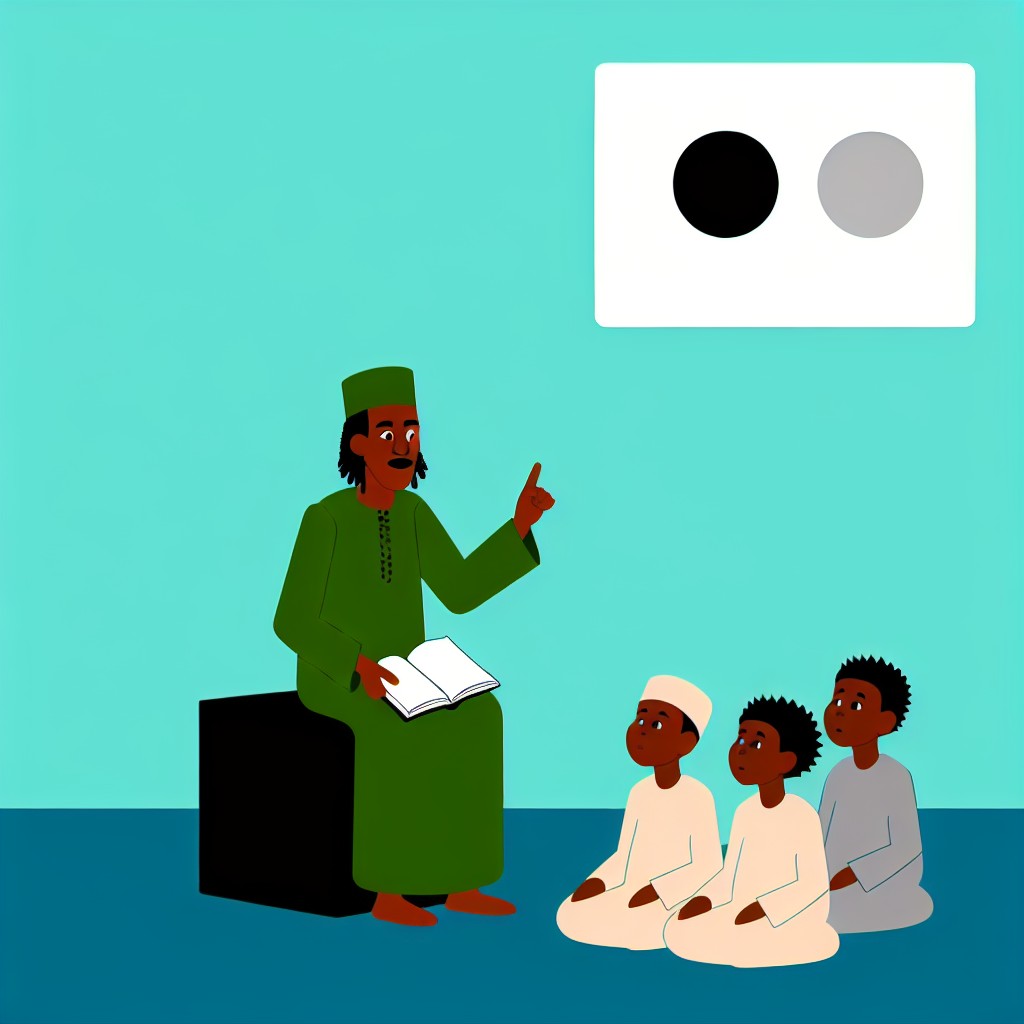
The Impact of Modern Media on Traditional Storytelling and Value Transmission
Changing Platforms for Stories
Modern media have transformed how Nigerian children access stories.
Television, radio, and digital platforms reach children more quickly than oral traditions.
Consequently, traditional storytelling sessions face reduced attendance in many communities.
Despite this, some radio programs still feature folk tales to preserve cultural identity.
Moreover, digital apps created by companies like KolaTales promote Nigerian folklore.
Influence on Value Systems
Modern media often introduce global perspectives that differ from traditional values.
Children consume content that sometimes conflicts with Nigerian cultural teachings.
For instance, Western cartoons emphasize individualism contrary to communal values.
However, media also offer educational shows that reinforce positive societal values.
Programs such as “Tales from Enugu” integrate folklore with life lessons effectively.
Opportunities for Fusion
Integrating storytelling with modern media presents opportunities for wider value transmission.
Nigerian authors like Adaeze Nnamani adapt folk tales into animated series.
Furthermore, mobile platforms allow interactive storytelling, engaging younger audiences.
Organizations like Ndidi Digital Studios produce content blending tradition and technology.
Therefore, modern media can complement rather than replace traditional methods.
Risks to Cultural Preservation
Despite opportunities, modernization risks eroding oral storytelling practices.
Many elders who pass stories lack access to modern platforms.
This digital divide limits participation in media-based storytelling.
Moreover, commercial interests may prioritize entertainment over cultural accuracy.
Thus, communities must act deliberately to protect and archive oral histories.
Strategies to Enhance Value Transmission
Encouraging collaboration between storytellers and media producers is vital.
Schools should incorporate traditional stories alongside digital literacy programs.
Local governments can support folklore festivals and storytelling competitions.
Additionally, training youth in both storytelling and media skills bridges generations.
By doing so, Nigeria can sustain its rich heritage amid modern changes.
Practical Ways Nigerian Parents Can Incorporate Storytelling into Daily Upbringing
Creating a Storytelling Routine
Nigerian parents can start by setting a consistent storytelling time each day.
For example, they might choose early evenings when children are most attentive.
This routine helps children anticipate and look forward to stories.
Moreover, it fosters regular family bonding and communication.
Selecting Culturally Relevant Stories
Parents should choose stories that reflect Nigerian heritage and values.
Fables featuring animals like tortoises or lions teach important lessons.
Also, folktales from various ethnic groups enrich children’s cultural awareness.
Using stories from communities like the Yoruba, Igbo, and Hausa encourages diversity.
Making Storytelling Interactive
Engage children by asking questions about the story as it progresses.
Encourage them to guess what happens next or explain characters’ choices.
Additionally, children can act out parts, making storytelling lively and memorable.
This active participation strengthens comprehension and critical thinking skills.
Using Everyday Situations to Tell Stories
Parents can create stories linked to daily experiences or challenges.
For instance, a tale about sharing toys helps teach kindness and cooperation.
Stories about honesty can arise from situations children encounter at school.
These real-life references make lessons relatable and easier to understand.
Incorporating Storytelling in Family Traditions
Nigerian families often gather during festivals and holidays.
These occasions offer ample opportunities to share traditional stories.
Grandparents can pass on wisdom through tales, bridging generational gaps.
Integrating storytelling into celebrations preserves cultural identity and values.
Leveraging Modern Media to Support Storytelling
Parents can use Nigerian storybooks, audio recordings, and videos to inspire children.
Apps and platforms by Nigerian creatives offer access to traditional tales.
This modern approach complements oral storytelling and keeps children engaged.
Furthermore, it introduces children to diverse storytelling styles and languages.
Encouraging Children to Tell Their Own Stories
Motivate children to create and share their own stories with family members.
This practice boosts creativity, confidence, and communication skills.
Parents can guide by offering themes related to Nigerian culture and values.
Celebrating these stories strengthens children’s connection to their heritage.
Building a Storytelling Community
Parents might organize or join local storytelling groups or libraries.
Such communities nurture love for stories and social interaction.
They also expose children to a wider variety of narratives and experiences.
Importantly, these networks reinforce shared values across different families.
Challenges and Opportunities in Preserving Storytelling Traditions in Contemporary Nigeria
Modern Challenges to Traditional Storytelling
Rapid urbanization changes how Nigerian communities interact daily.
Oral storytelling sessions have reduced significantly in many areas as a result.
Technological distractions, like smartphones and television, compete for children’s attention.
Formal education systems focus less on indigenous cultural practices.
Younger generations often grow detached from storytelling traditions.
Impact of Globalization on Storytelling Traditions
Globalization introduces new cultural influences into Nigerian society.
These influences sometimes overshadow local stories and values.
Western media often dominates entertainment options among Nigerian audiences.
Traditional tales lose their prominence among children as a result.
Globalization also creates opportunities for cultural exchange and awareness.
Opportunities for Preservation and Revival of Storytelling Traditions
Integration of Storytelling in Education
Schools can incorporate indigenous stories into their curricula.
This integration helps children connect academically with their culture.
Educators such as Mrs. Funke Adeyemi champion storytelling workshops in Lagos schools.
These workshops inspire students to appreciate oral traditions deeply.
Use of Digital Media for Storytelling Preservation
Digital platforms offer innovative ways to share and preserve stories.
For instance, platforms like NaijaTales publish audiovisual storytelling content.
This method attracts tech-savvy children and broadens audience reach significantly.
Additionally, podcasts and YouTube channels feature traditional Nigerian tales creatively.
Community-Led Initiatives Promoting Storytelling
Local festivals celebrate storytelling and indigenous culture actively.
The Enugu Cultural Heritage Festival regularly features master storytellers such as Chinedu Eze.
Community centers also host storytelling competitions and exhibitions.
Such events motivate young people to engage and learn their heritage.
Collaborations with Cultural Institutions for Preservation
Museums and libraries document and archive oral histories effectively.
The Nigerian National Museum partners with storytellers to preserve folklore.
They also organize interactive sessions for children to engage directly.
This collaboration ensures storytelling traditions remain dynamic and accessible.
The Enduring Importance of Storytelling in Shaping Nigerian Children's Character
Preserving Cultural Identity Through Stories
Storytelling remains a vital tool in preserving Nigeria's diverse cultural heritage.
It connects children to their roots and ancestral wisdom.
Moreover, stories impart local languages and traditions effectively.
Through storytelling, children develop pride in their cultural identity.
Instilling Moral Values and Life Lessons
Traditional tales convey important lessons about honesty, respect, and kindness.
These stories encourage children to reflect on right and wrong behavior.
As a result, children learn to navigate social challenges with integrity.
Storytelling also builds empathy by illustrating diverse perspectives.
Enhancing Cognitive and Emotional Development
Listening to stories improves children's imagination and creativity.
It sharpens their listening and comprehension skills simultaneously.
Furthermore, storytelling nurtures emotional intelligence by expressing feelings.
It enables children to cope better with real-life situations.
Adapting Storytelling in Modern Education
Educators like Chinwe Eze employ storytelling to engage Nigerian children actively.
They integrate folklore into classroom discussions to make learning relatable.
Digital media also offers new platforms for traditional stories to thrive.
Thus, storytelling evolves while maintaining its core role in character building.
Community and Family Bonding Through Storytelling
Storytelling promotes strong bonds between generations within families and communities.
It creates shared experiences that foster trust and belonging.
Parents and elders pass wisdom in a way children understand and appreciate.
Consequently, storytelling strengthens social cohesion and cultural continuity.
Sustaining the Storytelling Tradition for Future Generations
Communities must continue to value storytelling as a powerful educational tool.
Younger generations should be encouraged to tell and preserve traditional tales.
Cultural organizations can support storytelling festivals and workshops nationwide.
By doing so, Nigerian children will grow with strong values rooted in rich narratives.
Additional Resources
If you only knew: the complexity of our stories – Compassion Canada
Full article: Teaching inclusively in Nigeria: new framings of …