




Establish predictable morning and bedtime routines
Use steady morning and bedtime patterns to shape daily habits.
Predictable routines reduce uncertainty around meals and schedules.
Plan timing to ease transitions on school days.
Why routines matter
Consistent routines help regulate appetite and hunger cues.
Additionally, routines make school-day eating predictable for children.
Moreover, regular timing supports smooth transitions into and out of school days.
Designing a morning routine
First, choose a consistent wake time each school day.
Next, include a predictable breakfast window after waking.
Also, prepare items needed for school the night before.
Designing a bedtime routine
First, set a regular bedtime that allows enough sleep.
Next, include relaxing activities to signal the body to wind down.
Additionally, limit activities that disrupt sleep close to bedtime.
Sample routine components
The following items list practical elements to include daily.
They focus on timing, meals, and preparation tasks.
Consider these elements when creating a stable routine.
Parenting Made Just for You
Get personalized Parenting Solutions tailored to your child’s needs. Transform your parenting journey with expert guidance in 1-3 days.
Get Started- Wake at the same time each morning.
- Eat breakfast within a consistent time frame.
- Pack a prepared lunch or snacks the night before.
- Follow a calming pre-sleep ritual each evening.
Practical tips for consistency
Use simple cues to reinforce routines each day.
For example, set an alarm or use a visual checklist.
Also, be flexible for occasional schedule changes.
Furthermore, review routines regularly to keep them practical.
Making routines stick
Start small and build one habit at a time.
Then, praise consistent effort to encourage continuity.
Finally, adjust routines gradually as school needs change.
Design Quick, Balanced Breakfasts Using Familiar Nigerian Ingredients to Fuel Concentration
Design quick balanced breakfasts that use familiar Nigerian ingredients.
These breakfasts aim to support morning concentration.
The guidance focuses on components assembly and simple prep tips.
Key Components of a Balanced Breakfast
Start with a local staple carbohydrate for steady energy.
Then add a protein source to support alertness.
Also include a fruit or vegetable for vitamins and fiber.
Finish with a small portion of healthy fat to aid absorption.
Unveil the Perfect Name that Tells Your Family's Story
Let us help you find a name that embodies your family's values, traditions, and dreams. Our personalized consultation weaves cultural insights to create a name that's uniquely yours.
Get StartedQuick Assembly Strategies
Assemble parts into one container for fast eating.
Use ready to eat forms of local staples to save time.
Choose simple seasonings to boost flavor without extra steps.
Sample Quick Combinations
Use simple combinations for quick balanced breakfasts.
For example pair a staple carbohydrate with protein and a fruit.
These pairings help balance energy for focused mornings.
- Carbohydrate plus protein and a fresh fruit make a balanced bowl
- Protein with vegetables and a carbohydrate side creates lasting energy
- Fruit blended with protein and a small fat makes a quick drink
Prep Tips for Busy Mornings
Batch cook staple items once or twice weekly to save time.
Store portions in ready to grab containers for quick access.
Label containers and rotate them to maintain freshness and variety.
Keep quick picks visible so children can select independently.
Portion and Timing Notes
Aim for portions that sustain attention until mid morning.
Serve breakfast early enough for comfortable eating and digestion.
Adjust portions and combinations based on individual appetite and needs.
Plan Weekly Meals and Grocery Lists
Use a weekly menu to reduce morning decisions.
Focus on dinners that yield leftovers for next-day lunches.
Include easy breakfasts and snacks that need minimal preparation.
Set a Simple Weekly Menu
Plan meals for the weekdays to reduce morning decisions.
Assign meals to specific days to simplify shopping.
Keep the plan flexible to accommodate changing schedules.
Choose Flexible Recipes
Select recipes that use shared ingredients across multiple meals.
Choose dishes that reheat well for fast mornings.
Also prefer recipes that allow quick assembly.
Create a Budget-Friendly Grocery List
List needed ingredients based on the weekly menu.
Note quantities to avoid overspending and waste.
Group items by store section to speed shopping trips.
- Staples: items used across many meals.
- Proteins: versatile options that stretch across recipes.
- Produce: prioritize items that store well and stay fresh.
- Pantry essentials: long-lasting ingredients for quick meal builds.
- Quick-prep items: things that save time on busy mornings.
- Snacks: healthy choices to reduce impulse buys later.
Shop Smart to Stretch Your Budget
Compare prices while keeping a simple budget limit.
Buy versatile ingredients that serve several meals.
Avoid impulse purchases by sticking to the list.
Prep Once to Simplify Weekday Mornings
Dedicate a short time for meal prep on a free day.
Chop vegetables and portion ingredients into ready-to-use containers.
Cook grains or proteins ahead for quick assembly.
Label containers to speed identification during rushed mornings.
Adapt and Review Each Week
Review what worked and refine the plan each week.
Adjust quantities to reduce waste and save money.
Maintain a running grocery list to ease future planning.
See Related Content: What To Pack In A Healthy Nigerian School Bag
Teach and Involve Children in Meal Preparation and Food Choices
Including children in food preparation builds practical skills and confidence.
Furthermore, involvement promotes openness to a wider variety of foods.
Also, shared tasks strengthen family routines around meals.
Age Appropriate Tasks
Assign simple tasks that match each child’s abilities and maturity.
- Younger children can wash produce and mix ingredients.
- Middle childhood children can measure and assemble simple components.
- Older children can plan basic plates and handle safer cooking steps.
Practical Meal Preparation Activities
Start with repeatable tasks that build competence through practice.
Next, rotate responsibilities so children learn different skills.
Additionally, involve senses like color and texture to sustain interest.
Shared Decision Strategies
Offer limited choices to help children make clear food decisions.
Then explain choices using positive language and simple reasons.
Also, invite children to propose healthy options for upcoming meals.
Encouraging Tasting and Food Choice Confidence
Invite children to taste without pressure or demand to reduce resistance.
Moreover, praise small steps toward trying new foods to encourage repeat attempts.
Finally, model balanced choices while preparing meals together.
Safety and Supervision Tips
Always supervise tasks that involve heat or sharp tools.
Therefore, teach basic kitchen safety rules before starting any activity.
Also, keep a clear workspace to minimize accidents and confusion.
Maintaining Habits Over Time
Set simple, consistent practices around planning and preparing family meals.
Meanwhile, celebrate progress to reinforce positive eating behaviors.
Additionally, adjust tasks as children gain skill and interest.
Learn More: How To Avoid Sickness When Your Child Starts School
Gradual Transition Timeline for Mealtimes
Follow a phased timeline to move from holiday eating to structured school mealtimes.
First prepare and set realistic target times.
Then shift meals gradually and practice the new schedule.
Quick Overview of the Plan
Plan target times that match typical school days.
Gather simple supplies and plan easy meals for trial days.
Use small changes so children accept the schedule.
Preparation Phase
Observe current holiday eating patterns to find flexible meal times.
Choose realistic target times that fit school day needs.
Prepare simple meal plans and gather basic supplies for trials.
Initial Changes
Begin by shifting one meal gradually toward the target time.
Adjust snack times to support steady hunger through the day.
Keep changes small to encourage acceptance and consistency.
Progressive Adjustments
Gradually align remaining meals with the school day schedule.
Tweak meal sizes to match activity and hunger patterns.
Remain flexible for social occasions and special events.
Practice Days and Rehearsals
Schedule several practice days that mimic school day mealtimes.
Test how energy and focus respond to the adjusted schedule.
Record what changes need adjustment after each trial day.
Fine-Tuning Before School Starts
Review observations and make targeted adjustments for smoother transitions.
Confirm that meal timing feels sustainable for daily routines.
Set a simple plan to follow during the first school week.
Tracking and Maintenance
Keep a brief log of mealtimes and note energy levels.
Adjust timing gradually based on the collected observations.
Maintain flexibility while aiming for consistent school day meals.
Gain More Insights: How To Prepare Your Child’s Body For School
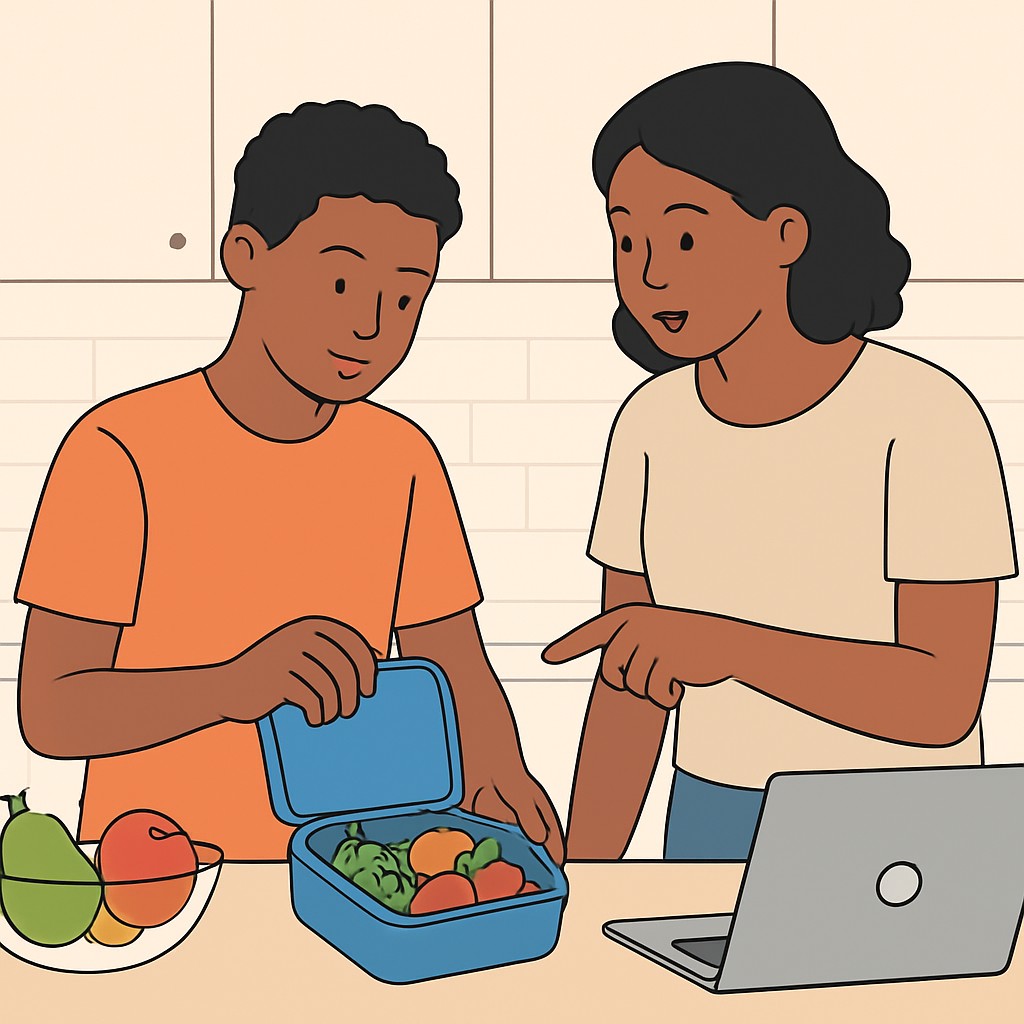
Pack Healthy, Safe, and Appealing School Lunches and Snacks
This guide covers packing lunches and snacks for school.
It emphasizes nutrition, safety, and visual appeal.
The focus includes practical packing routines and timing tips.
Plan Components for Steady Morning Energy
Choose components that sustain energy through morning lessons.
Include protein sources, whole grains, fruits, and vegetables.
Also add small portions of healthy fats to promote fullness.
Ensure Food Safety and Freshness
Focus on keeping food safe and fresh until lunchtime.
Separate perishable items from dry snacks to reduce spoilage risk.
Replace chilled components daily to maintain freshness.
Make Lunches Appealing to Children
Use color and variety to make lunches visually appealing.
Vary textures and shapes to keep children interested during the week.
Involve children briefly in selection to increase acceptance.
Pack Practical Lunchbox Strategies
Prepare lunch components the night before to streamline mornings.
Keep a simple, repeatable packing routine to save time.
Label containers when contents or instructions help school staff.
- Use separate containers to keep flavors and textures distinct.
- Label containers when contents or instructions help school staff.
- Rotate options weekly to prevent monotony and encourage variety.
- Pack utensils and napkins when needed for independence and cleanliness.
Snack Timing and Portioning
Schedule a mid-morning snack to bridge breakfast and lunch.
Choose moderate portions to sustain focus without causing sluggishness.
Adjust timing based on how children respond during lessons.
Learn More: The Role of Traditional Nigerian Foods in Boosting Children’s Health
Practical Tactics for Managing Picky Eaters and Sensory Food Aversions at Home
This guide presents practical tactics for managing picky eaters at home.
It covers sensory food aversions and low pressure mealtime strategies.
Sections address choices, textures, exposure, play, presentation, and tracking patterns.
Create a Low-Pressure Mealtime Environment
Set calm expectations around the table.
Additionally limit distractions like screens and toys.
Avoid forcing bites or using food as punishment.
Instead offer encouragement for curiosity and small tries.
Offer Predictable Choices and Small Portions
Offer two acceptable choices to promote autonomy.
Next serve small portions to reduce overwhelm.
Rotate familiar items with one new option each meal.
- Offer a familiar fruit or vegetable alongside a new food.
- Let the child choose a serving utensil from two options.
- Allow selecting plate placement to increase a sense of control.
Address Texture and Sensory Preferences
Observe which textures your child tolerates or avoids.
Then present textures separately rather than mixed together.
Offer smooth, crunchy, soft, and firm components when appropriate.
Use Repeated Neutral Exposure
Offer new foods repeatedly without pressure or comments.
Additionally include small tastes during the week without applause.
Over time familiarity may decrease avoidance.
Incorporate Sensory Play and Exploration
Invite tactile play with safe food textures outside mealtime.
Moreover use smelling and touching activities before meals.
Keep play brief and pressure free to build comfort.
Modify Presentation and Utensils
Change food size and shape to match preferences.
Also try different utensils that feel comfortable in hand.
Similarly vary plate colors and compartmentalization for visual appeal.
Use Positive Modeling and Family Eating
Model calm eating and normal responses to new foods.
Furthermore praise willingness to try rather than amounts eaten.
Also sit together when possible to show mealtime routines.
Manage Snacks and Appetite
Keep consistent snack windows.
This protects mealtime appetite.
Additionally limit grazing between meals to encourage hunger cues.
Track Patterns and Adjust Strategies
Note reactions to textures, flavors, and presentation each day.
Then modify tactics based on observed responses and tolerance.
Finally celebrate small steps and remain patient through progress.
Hydration, Portion Size, and Snack Timing
This guidance covers hydration, portion sizes, and snack timing for school mornings.
It aims to support steady energy and improved concentration before classes.
Use the following practical tips to plan routines and snacks.
Hydration Guidelines
Proper hydration supports concentration through the morning.
Encourage water at breakfast and before leaving home.
Additionally, provide a water bottle for the school commute.
Limit sweetened drinks that may cause later energy dips.
Portion-Size Guidance
Match portions to the child’s appetite and activity level.
Also balance portions across protein, fiber, and healthy fat.
Serve moderate servings to reduce mid-morning hunger.
Meanwhile, allow small second servings when children still feel hungry.
Snack-Timing Strategies
Schedule a snack when breakfast falls several hours before classes.
Also time snacks before expected focus lapses.
Coordinate snack timing with bathroom and recess breaks when possible.
Quick Snack Pairings
Choose pairings that support steady energy and satiety.
Prefer combinations of protein, fiber, and healthy fats.
Make snacks portable and easy to eat during breaks.
- Protein paired with whole grains supports steady energy.
- Fruit combined with a healthy fat slows digestion and supports focus.
- Vegetables with a small dip make a filling, portable option.
- Dairy or dairy alternatives plus fiber help maintain satiety until lunch.


