




Build a Balanced School-Term Routine
A balanced routine organizes meals, homework, play, relaxation, and bedtime.
This daily rhythm includes each part of your child’s school-term day.
Begin by creating a clear rhythm that guides your child’s activities.
Plan Regular Meals
Schedule meals at consistent points throughout the day.
Offer balanced meals that support your child’s school-term routine.
Also, allow enough time for your child to eat without rushing.
Keep meals separate from homework whenever possible.
Organize Homework Time
Set aside a regular period for homework after school.
Choose a suitable place where your child can focus on schoolwork.
Next, divide homework into manageable tasks when several assignments require attention.
Encourage your child to complete homework before extended play or relaxation.
However, include suitable pauses when homework takes longer than expected.
Protect Time for Play
Include play in the daily routine after schoolwork allows it.
Play gives your child time to move, explore, and enjoy personal interests.
Therefore, treat play as a regular part of the school-term schedule.
Parenting Made Just for You
Get personalized Parenting Solutions tailored to your child’s needs. Transform your parenting journey with expert guidance in 1-3 days.
Get StartedBalance structured responsibilities with opportunities for freely chosen play.
Create Space for Relaxation
Schedule quiet time between demanding activities.
Relaxation can help your child shift gently between homework, play, and bedtime.
Offer a calm period without adding further tasks.
Additionally, adjust the routine when your child needs more time to unwind.
Keep Bedtime Consistent
Set a regular bedtime that fits your child’s school-term routine.
Begin bedtime preparations early enough to avoid unnecessary rushing.
Use the same general sequence each evening whenever practical.
For example, your child can finish activities, prepare for bed, and settle quietly.
Keep bedtime separate from unfinished homework whenever possible.
Connect the Parts of the Day
Place meals, homework, play, relaxation, and bedtime in a clear daily order.
Then, review the routine with your child.
Explain what happens next so your child can follow the schedule more easily.
Allow reasonable flexibility while keeping the main routine consistent.
Unveil the Perfect Name that Tells Your Family's Story
Let us help you find a name that embodies your family's values, traditions, and dreams. Our personalized consultation weaves cultural insights to create a name that's uniquely yours.
Get StartedFinally, adjust the balance when one activity begins to crowd out another.
Fueling Strength and Concentration
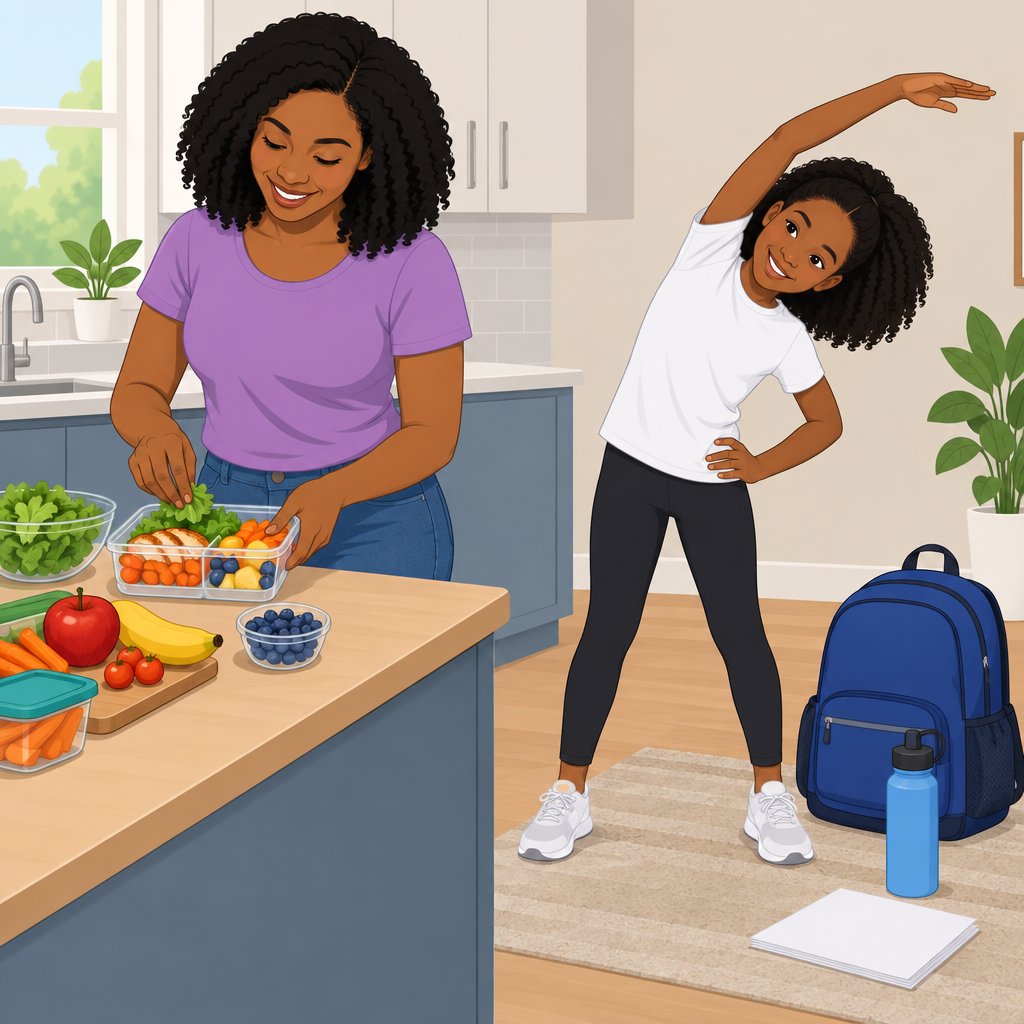
Nourishing meals can support your child’s strength and concentration throughout the school term.
Serve food that provides steady nourishment before school and after the school day.
Choose foods your child enjoys, so meals remain practical and appealing.
Also, fit mealtimes into your family’s regular routine.
Planning Nourishing Meals
Prepare meals that offer variety across the school term.
Include nourishing choices that help your child feel ready to learn.
Offer enough food to satisfy your child without creating mealtime stress.
Adjust portions according to your child’s appetite and preferences.
Furthermore, involve your child when choosing or preparing suitable meals.
Choosing Healthy Snacks
Pack healthy snacks to support your child between meals.
Select snacks that provide nourishment without replacing regular meals.
Offer different choices so your child can find satisfying options.
Meanwhile, keep snacks easy for your child to manage during the school day.
Additionally, prepare snacks in advance when possible.
Encouraging Regular Hydration
Encourage your child to drink regularly throughout the day.
Offer water alongside meals and snacks.
Remind your child to drink before concentration becomes difficult.
Keep hydration simple by making drinks available during daily activities.
Also, ask your child whether they need a drink before leaving home.
Supporting Focus Through Food and Fluids
Combine nourishing meals, healthy snacks, and regular hydration throughout the school term.
This approach helps your child maintain strength while focusing on schoolwork.
Continue offering supportive choices, even when your child’s appetite changes.
Finally, notice which meals, snacks, and drinks suit your child best.
Protect Adequate Sleep
A consistent bedtime routine helps protect your child’s sleep during the school term.
First, choose a regular bedtime that supports a predictable evening pattern.
Keep the routine steady on school nights whenever possible.
Create a Calming Bedtime Routine
Begin the routine early enough to avoid rushing before bed.
Next, guide your child through the same calming steps each evening.
These steps might include preparing for bed and settling into quiet activities.
Keep each step simple so your child can follow the routine consistently.
Additionally, use gentle reminders as bedtime approaches.
Clear reminders help your child shift attention away from evening activities.
Reduce Late-Night Distractions
Reduce distractions that encourage your child to stay awake late.
For example, limit stimulating activities near bedtime.
Also, keep bedtime preparations focused and free from unnecessary interruptions.
Ask your child to finish evening tasks before the routine begins.
Then, guide them toward quieter activities as bedtime gets closer.
Support Consistent Sleep Habits
Keep bedtime expectations clear and consistent.
Explain the routine calmly when your child needs reminders.
Therefore, avoid introducing new evening demands at the last moment.
Prepare clothing, school items, and other necessities earlier when possible.
This preparation can reduce late-night activity before sleep.
Finally, review the routine when it stops working smoothly.
Adjust the steps while keeping the bedtime pattern consistent.
See Related Content: How To Build Better Eating Habits Before School Starts
Encourage Regular Movement
Choose physical activities that match your child’s age, ability, and comfort.
Encourage movement that feels enjoyable rather than demanding.
Offer simple choices so your child can participate actively.
For example, invite your child to walk, move, stretch, or play.
Support Energy Through Active Play
Active play helps your child use energy during the school term.
Additionally, encourage games that involve movement, imagination, and participation.
Let your child change activities when interest or energy levels change.
However, keep play suitable for your child’s abilities and current comfort.
Include Gentle Stretching
Introduce gentle stretching before or after physical activity.
Encourage slow movements that feel comfortable and controlled.
Then, show your child how to stretch without forcing any movement.
Allow pauses between stretches so your child can move comfortably.
Keep stretching simple, especially when your child feels tired.
Make Movement Manageable
Break physical activity into manageable periods when needed.
Meanwhile, alternate active play with quieter activities throughout the day.
This approach helps your child stay involved without making movement feel overwhelming.
Encourage your child to notice how different activities feel.
Create Opportunities for Participation
Invite your child to help choose suitable active play.
Whenever possible, join in and keep the atmosphere positive.
Offer encouragement during movement instead of focusing on performance.
Celebrate participation, effort, and enjoyment.
Finally, adapt activities as your child’s needs and preferences change.
Delve into the Subject: What To Pack In A Healthy Nigerian School Bag
Offer Encouragement
Notice your child’s effort, persistence, and willingness to keep trying.
Use specific encouragement that recognizes actions rather than judging results.
For example, acknowledge how your child approached a difficult task.
Also, remind your child that mistakes can provide opportunities to learn.
Keep your tone warm, calm, and supportive during challenging moments.
Then, invite your child to identify what helped them continue.
Set Realistic Expectations
Discuss school responsibilities with expectations your child can understand.
Consider your child’s current feelings, abilities, and available energy.
Avoid comparing your child with other students.
Instead, focus on steady effort and personal progress.
When expectations feel difficult, discuss which parts need adjustment.
However, continue communicating that learning requires patience and practice.
Clear expectations can help your child understand what you value.
Talk About Academic Pressure
Make regular opportunities for your child to discuss school experiences.
Ask open questions that encourage more than a brief answer.
For instance, ask what felt manageable and what felt difficult.
Listen carefully before offering suggestions or solutions.
Show that your child’s feelings deserve attention and respect.
Therefore, avoid dismissing worries or immediately changing the subject.
Encourage your child to describe pressure using their own words.
Then, work together to consider practical ways to respond.
Recognize Signs of Strain
Pay attention when your child communicates changes in feelings or school experiences.
Notice repeated concerns about expectations, tasks, or academic pressure.
Ask gentle follow-up questions when your child seems unusually troubled.
Do not assume silence means everything feels manageable.
Instead, keep conversations open and return to them when needed.
Reassure your child that asking for support shows awareness and courage.
Build a Supportive Conversation
Choose a calm moment when your child can speak without interruption.
Begin by asking what kind of support would feel helpful.
Respect your child’s response, even when it differs from your preference.
Next, agree on one small step your child feels ready to try.
Review that step together without creating additional pressure.
Finally, remind your child that encouragement and honest conversations remain available.
Find Out More: How To Avoid Sickness When Your Child Starts School
Build Practical Hygiene Habits
Hygiene habits help your child manage cleanliness during the school day.
Consistent routines support considerate behavior in shared spaces.
With practice, your child can use these habits more independently.
Teach Consistent Hand Hygiene
First, teach your child when hand cleaning matters during the school day.
Encourage hand cleaning before eating and after using shared spaces.
Show your child how to clean every part of their hands thoroughly.
Also, remind them to follow the school’s available hand-cleaning guidance.
Practice Coughing and Sneezing Etiquette
Teach your child to cover coughs and sneezes appropriately.
Encourage them to turn away from others when coughing or sneezing.
Afterward, remind them to clean their hands.
This habit helps your child act considerately in shared spaces.
Support Personal Cleanliness
Next, help your child notice when they need personal cleaning during school.
Encourage them to keep their face, hands, and clothing reasonably clean.
Teach them to use personal-care items responsibly and keep them secure.
Additionally, explain that they can ask a trusted adult for help when needed.
Prepare for the School Day
Preparation helps your child use hygiene routines more comfortably at school.
Practice can make personal-care tasks feel familiar before school begins.
Calm guidance can support your child’s growing confidence with these routines.
Practice Before School Begins
Practice hygiene routines at home so your child feels comfortable using them independently.
Let your child rehearse cleaning their hands and managing personal-care needs.
Then, discuss how they can maintain cleanliness between classroom activities.
Use calm reminders instead of criticism when your child forgets a habit.
Plan for Changing Needs
Talk with your child about noticing discomfort, mess, or the need for cleaning.
Encourage them to respond promptly rather than ignoring personal-care needs.
Help them identify an appropriate adult they can approach at school.
Finally, remind your child that asking for help supports responsible self-care.
Encourage Responsible Shared-Space Habits
Shared-space habits help your child respect others during the school day.
Simple actions can support cleanliness in personal and common areas.
Regular reminders can guide your child toward responsible choices.
Respect Personal and Common Areas
Teach your child to keep personal items orderly and avoid unnecessary contact with others’ belongings.
Encourage them to leave shared areas clean after using them.
Additionally, remind them to follow classroom and school cleanliness expectations.
Reinforce Independence
Gradually allow your child to manage simple hygiene decisions without constant reminders.
Ask them to explain their hygiene plan in their own words.
Review the routine regularly and adjust guidance as their independence grows.
With encouragement, your child can practice personal cleanliness throughout the school day.
See Related Content: How To Prepare Your Child’s Body For School
Prepare for the Next School Day
Organise school materials, clothing, and daily responsibilities before the morning begins.
This preparation reduces morning stress and helps your child start the day with less tiredness.
Additionally, preparation helps your child manage morning responsibilities more calmly.
Arrange School Materials
First, help your child gather the materials needed for the next school day.
Keep these materials together so your child can find them without rushing.
Encourage your child to check whether each required item is ready.
Then, place the organised materials where your child can reach them easily.
Review this arrangement regularly and adjust it when school needs change.
Prepare Clothing in Advance
Choose the next day’s clothing before the morning starts.
Place the clothing together so your child can dress without searching.
Also, check that the clothing suits the planned school responsibilities.
This step limits unnecessary decisions during busy mornings.
Encourage your child to participate in choosing and organising the clothing.
Plan Daily Responsibilities
Identify the responsibilities your child must complete before leaving for school.
Arrange these responsibilities in a clear order that your child understands.
Next, explain which tasks your child can complete independently.
Offer guidance for tasks that still require support.
As a result, your child can approach the morning with greater clarity.
Create an Evening Preparation Habit
Set aside time for preparation before the morning becomes busy.
During this time, organise materials, clothing, and responsibilities together.
Use the same preparation process regularly to support consistency.
However, allow your child to take increasing responsibility when appropriate.
Finally, review the preparation briefly and address anything still unfinished.
This organised approach helps reduce morning stress and tiredness during the school term.
Notice Ongoing Changes
Pay attention to changes that continue rather than isolated moments.
Notice shifts in mood, appetite, energy, or school participation.
Also, consider whether several changes appear together.
Look for patterns across different school days and situations.
Keep Clear Observations
Keep brief notes about what you observe and when it occurs.
Record clear observations rather than assumptions about possible causes.
For example, describe changed participation without assigning blame.
This information can help adults discuss suitable support.
Listen Without Pressure
Invite your child to describe what feels different.
Listen calmly, and avoid placing blame.
However, do not pressure your child to explain immediately.
Allow them to share information at a comfortable pace.
Work With Appropriate Adults
Share ongoing concerns with adults involved in your child’s care or school participation.
Explain the changes you observed and any patterns you recorded.
Then, ask how you can coordinate support.
Additionally, share relevant updates when circumstances change.
Review Support Regularly
Continue watching changes after adults discuss possible support.
Update the appropriate adults if changes continue, increase, or affect participation.
Keep communication clear, timely, and focused on your child’s current needs.
Additional Resources
Bing search results for How To Keep Your Child Strong During School Term Child Health and Nutrition


