




Play-Based School Readiness Skills
Play supports early literacy development.
It builds early numeracy and thinking skills.
Play also strengthens social and emotional abilities through interaction.
Building Early Literacy Through Play
Caregivers can create language-rich interactions during play.
Shared reading introduces new words and concepts.
Singing and rhymes strengthen phonological awareness.
- Play alphabet games that encourage letter recognition.
- Ask questions about stories to build comprehension skills.
- Use labels on objects to support print awareness.
Developing Early Numeracy Through Games
Children learn number concepts through hands-on play.
Games create chances to practice counting and measuring.
Sorting and patterning activities develop early math reasoning.
- Count objects during play to reinforce number sense.
- Play sorting games to teach classification and comparison.
- Use simple board or dice games to explore quantities.
Fostering Thinking Skills Through Everyday Play
Play stimulates problem solving and flexible thinking.
Open-ended play encourages creativity and planning.
Pretend play helps children practice perspective taking and sequencing.
- Offer simple puzzles to develop logic and persistence.
- Provide building materials to explore spatial reasoning.
- Pose gentle challenges that require trial and error.
Integrating Play Into Daily Routines
Brief play sessions fit naturally into daily routines.
Turn chores into counting or sorting games to build skills.
Ask open questions to extend a child’s thinking.
Parenting Made Just for You
Get personalized Parenting Solutions tailored to your child’s needs. Transform your parenting journey with expert guidance in 1-3 days.
Get StartedFollow the child’s lead while offering new vocabulary.
Supporting Social and Emotional Skills Through Play
Play fosters cooperation and emotional understanding.
Turn-taking games develop self-regulation and patience.
Role play helps children label and manage emotions.
- Encourage sharing and verbal expression during group play.
- Model calm responses when conflicts arise in play.
- Celebrate effort to build confidence and persistence.
Social and Emotional Development Through Play
Play supports social and emotional growth in young children.
Caregivers can use play to teach skills in natural contexts.
These activities build relationships, self regulation, and cooperative habits.
Fostering Sharing and Turn-Taking
Play offers natural opportunities to practice sharing with peers.
Taking turns teaches children patience and mutual respect.
Caregivers should model clear language when requesting or offering items.
Use simple prompts to help children notice others’ feelings.
Encouraging Cooperation and Team Play
Cooperative play supports problem solving with peers.
Group activities develop listening and negotiation skills.
Adults can set joint goals to guide collaborative play.
Unveil the Perfect Name that Tells Your Family's Story
Let us help you find a name that embodies your family's values, traditions, and dreams. Our personalized consultation weaves cultural insights to create a name that's uniquely yours.
Get StartedCelebrate small successes to reinforce teamwork and confidence.
Supporting Independence and Self-Help Skills
Play gives children chances to make safe choices.
Offering choices during play boosts decision making.
Routine based games encourage self care and responsibility.
Allow manageable challenges to help children build confidence.
Helping Children Cope with Separation and Transitions
Play helps children rehearse brief separations from caregivers.
Predictable goodbye routines ease anxiety during transitions.
Comfort objects can support emotional regulation during separation.
Gradual practice builds trust and lowers separation stress.
Practical Play Ideas to Strengthen Social Skills
This section lists practical activities caregivers can try during playtime.
Each activity targets a social skill for everyday situations.
Use short sessions to practice skills and maintain engagement.
Activities That Promote Sharing
- Invite children to pass items around in a group activity.
- Provide turn taking prompts during play scenarios.
- Praise sharing behaviors to encourage repetition.
Activities That Encourage Cooperation
- Set small collaborative challenges with shared goals.
- Use role play to practice negotiation and role sharing.
- Rotate responsibilities to highlight each child’s contribution.
Activities That Build Independence
- Offer choices within play to foster autonomous decisions.
- Create simple tasks that children can complete alone.
- Gradually increase task complexity to support growth.
Activities That Ease Separation
- Practice short departures with calm return routines.
- Use familiar rituals to signal transitions clearly.
- Encourage expression of feelings through pretend play.
Guiding Interactions and Observing Progress
Adults should observe play to identify social strengths and needs.
Provide gentle guidance to shape positive peer interactions.
Use consistent encouragement to reinforce emerging social skills.
Physical and Fine-Motor Readiness
Play supports physical and fine-motor readiness for school entry.
Additionally, playful routines build gross motor control and hand-eye coordination.
Furthermore, play offers low-pressure practice for daily self-care tasks.
Gross Motor Control Activities
Start by leading simple movement games to encourage balance and whole-body coordination.
Also, create safe areas for running, jumping and gentle climbing under supervision.
Moreover, include rhythmic activities to promote timing and body awareness.
- Obstacle courses
- Dance and movement songs
- Ball play
Hand-Eye Coordination Games
Offer small-object play to refine grasp and visual tracking skills.
Next, pick tasks that require aiming, reaching and precise releasing actions.
Additionally, repeat short games to build steady practice without pressure.
- Throw-and-catch games
- Stacking and sorting toys
- Simple threading or lacing activities
Self-Care Through Play
Transform dressing, feeding and toileting practice into playful daily routines.
Then, use pretend play to rehearse steps with child involvement and choice.
Also, break tasks into small steps to make practice manageable and clear.
- Role-play dressing sequences
- Play meals with child-sized utensils
- Practice handwashing with songs
Setting Up Playful Practice
Create a safe and predictable space for movement and fine-motor play.
Also, keep sessions short and engaging to match young attention spans.
Furthermore, let children choose activities to boost motivation and ownership.
Observing Progress and Encouragement
Watch how children manage tasks and adjust challenges appropriately.
Additionally, praise specific efforts and small skill gains during play.
Finally, vary difficulty to keep practice productive and enjoyable over time.
Find Out More: Creative Activities Before Your Child Starts School
Supporting Communication with Songs and Stories
Songs and stories help children notice language patterns.
They create low pressure opportunities for vocal practice.
Caregivers and teachers can use them at home and in classrooms.
Role of Songs in Early Communication
Songs introduce rhythm and melody that help children notice language patterns.
They provide repeated phrases that children can imitate easily.
These features create low pressure opportunities for vocal practice.
Storytelling in Local Languages
Storytelling builds listening skills and conversational turns.
Local languages connect children to family and community identity.
Telling simple stories in familiar languages boosts comprehension and expression.
Practical Activities for Home and Play
Families can use playful activities to strengthen classroom language skills.
These strategies support listening and expressive language at home.
Caregivers can include songs and stories in daily routines.
- Sing short call-and-response songs that invite children to repeat words.
- Use action songs with gestures to pair movement and words.
- Tell picture-based stories and point to images while naming objects.
- Label toys and play items in both languages during routines.
- Play language choice games to let children practice language switching.
Tips for Supporting Bilingual Development
Caregivers can follow simple strategies to support dual language growth.
Use everyday moments to create language rich interactions.
Create low pressure opportunities for children to use language.
- Model short sentences and clear pronunciation in both languages.
- Respond to attempts to communicate rather than correcting immediately.
- Encourage peer interaction during play to enhance conversational practice.
- Maintain routines that include songs and stories each day.
- Be patient when children mix languages while they learn.
Working with Early Educators
Share familiar songs and stories with teachers to create continuity.
Discuss preferred home languages and helpful classroom supports.
Ask about ways to reinforce language goals during play.
Find Out More: Fun Outdoor Games That Reflect Nigerian Culture
Establishing Routines and Classroom Behaviour with Role-Play
Use role-play to teach routines and classroom behaviour.
Begin with simple, repeatable activities that mirror a school day.
Pause during transitions to explain actions and expectations.
Mock School Days
Set up a pretend school day at home or in a familiar space.
Begin with simple start, activity, break and finish moments.
Next, follow a consistent sequence each time you play.
Pause to explain each transition as it occurs.
Invite the child to lead parts of the routine.
Practising Transitions
Use role-play to rehearse common school transitions.
Practice entering and leaving circles, moving to tables, and lining up.
Teach simple signals that cue movement and attention.
Slow down transitions to reduce stress and build confidence.
Repeat transitions until the child shows comfort and understanding.
Practising Classroom Rules through Pretend Play
Create short, clear rules to use during pretend play.
Demonstrate each rule using role-play scenarios.
Encourage the child to act out gentle reminders or prompts.
Model positive language for correction and praise.
Rehearse problem solving when rules are broken during play.
Materials and Roles to Include
- Simple props that represent classroom items.
- Name tags or signs to mark roles and places.
- A small bell or signal to practise attention cues.
- Role cards that outline brief responsibilities or tasks.
Tips for Adults Supporting Role-Play Routines
- Keep sessions short and predictable to maintain engagement.
- Observe and adapt expectations to match the child’s readiness.
- Use calm guidance and concrete instructions during activities.
- Offer choices to increase the child’s sense of control.
- Gradually reduce adult prompts as the child gains independence.
Review the mock day together and celebrate small successes.
Delve into the Subject: How to Turn Everyday Chores Into Fun Learning Activities
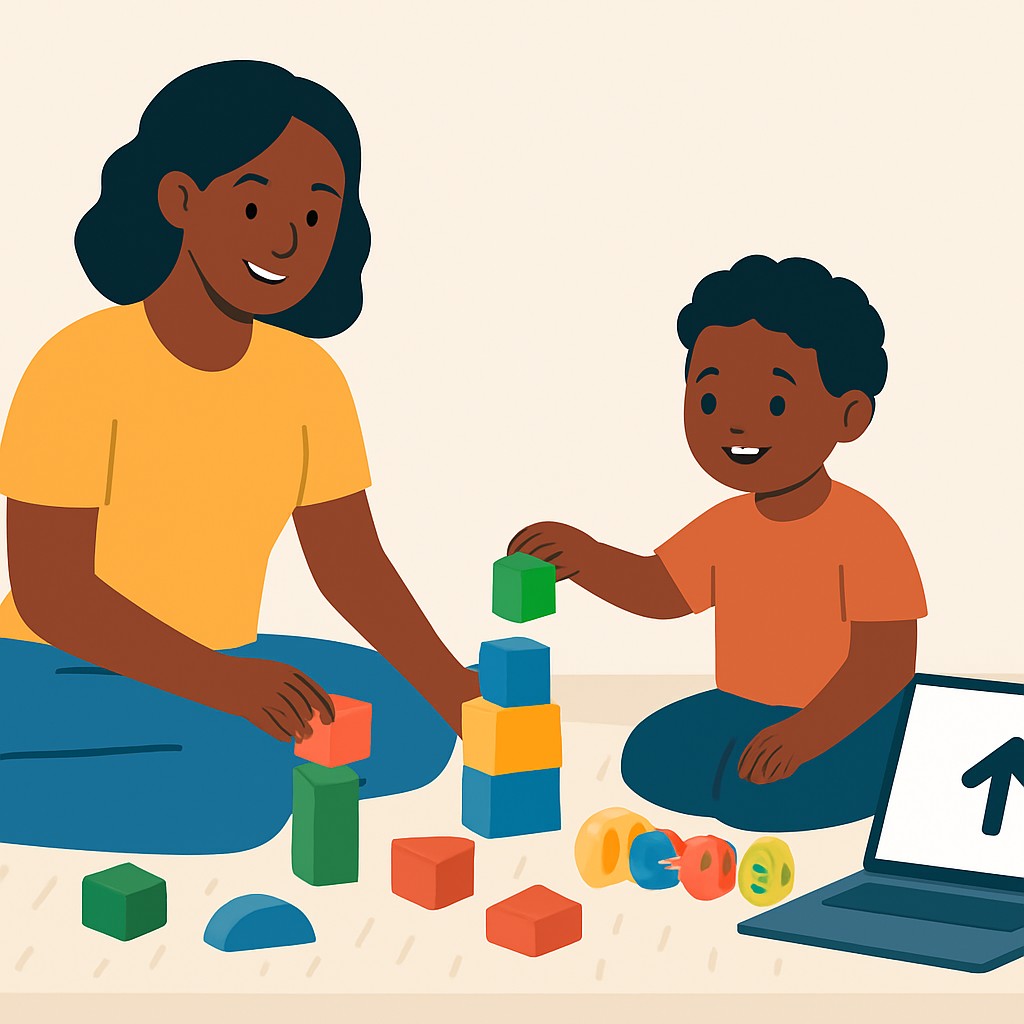
Low-Cost Play Materials and DIY Activities for Homes and Communities
Use common household and community items for playful materials.
Include recycled and natural finds as playable resources.
Select items that children can use safely and independently.
Sourcing Materials Locally
Start by surveying common items available at home and in the community.
Additionally, consider recycled materials and natural finds as resources for play.
Moreover, look for safe items that children can handle easily and independently.
- Cardboard pieces and small boxes form versatile building materials.
- Fabric scraps and strings serve as simple props and tactile supplies.
- Small smooth stones or seeds can work as counters and sorting objects.
- Reusable containers and lids create loose parts for construction play.
DIY Activity Ideas
Focus activities on sorting, building, sensory play, and art.
Rotate materials to inspire new designs and cooperative projects.
Offer simple props that support open-ended exploration and play.
Sorting and Matching Play
Create sets of small objects for children to sort and match.
Next, provide simple containers or trays for organised play areas.
Additionally, change items regularly to refresh interest and challenge skills.
- Use contrasting textures and colours to support visual discrimination.
- Label containers with simple symbols for predictable storage routines.
Building and Construction Play
Encourage children to stack and join recycled pieces into simple structures.
Also, offer cloth and ropes for draping and creating sheltered play spaces.
Furthermore, rotate materials to inspire new designs and cooperative projects.
- Combine lightweight boxes and tubes to promote problem solving.
- Allow open-ended goals to support creativity and experimentation.
Sensory and Nature Play
Collect natural materials for tactile exploration and sensory trays.
Additionally, mix dry materials to create safe, changeable sensory experiences.
Moreover, include scoops and containers to encourage pouring and measuring play.
- Offer a range of textures to support sensory curiosity and focus.
- Refresh materials frequently to keep sensory interest high.
Art and Mark-Making Stations
Set up a simple area with reusable surfaces for drawing and collage.
Also, provide safe marking tools and recyclable paper or cardboard sheets.
Furthermore, encourage children to experiment with mixing colours and textures.
- Store materials in labeled bins for easy access and cleanup.
- Change prompts occasionally to inspire new creative directions.
Safety, Hygiene, and Durability
Check materials for sharp edges and remove any unsafe pieces promptly.
Wash or wipe items regularly to maintain hygiene standards.
Repair or reinforce frequently used items to extend their lifespan.
Store materials out of direct sun and rain to preserve quality.
Community Sharing and Play Spaces
Organise material swaps to widen access to diverse play parts.
Also, create shared boxes or benches for community access during playtimes.
Furthermore, plan group crafting days to teach simple DIY skills together.
- Invite neighbours to contribute gently used materials for communal benefit.
- Rotate shared resources so many children can use them fairly.
Adapting Activities by Age and Readiness
Match material size and complexity to each child’s developmental level.
Simplify tasks for younger children and add challenges for older ones.
Observe play and adjust materials to maintain engagement and safety.
Gain More Insights: How to Make Weekend Family Time More Engaging and Memorable
Parent and Teacher Partnership and Community Playgroups
This section describes parent and teacher partnerships and community playgroups.
It outlines shared expectations, coordinated play, and community sessions.
Collaborative actions support smoother school transitions and family engagement.
Benefits of Working Together
Collaboration builds consistent expectations across home and school environments.
Joint planning promotes familiar play routines for children.
Shared activities strengthen trust between families and educators.
Coordinated efforts ease changes when children move into school settings.
Setting Shared Expectations
Establish clear goals for behavior and participation in play sessions.
Agree on simple signals for transitions and consent during activities.
Define expectations for communication about progress and emerging concerns.
Revisit expectations regularly to adapt to children’s changing needs.
Coordinating Play Activities Between Home and School
Choose themes that families and teachers can use across settings.
Plan activities that build on what children already enjoy playing.
Share simple instructions so caregivers can repeat activities at home.
Rotate materials to encourage exploration without causing material overload.
- Shared activity themes
- Material rotation plans
- Simple take-home instructions
- Designated activity days
Organizing Community Playgroups
Invite parents, teachers, and caregivers to co-design regular play sessions.
Select neutral and accessible spaces for group gatherings.
Schedule sessions at times that most families can attend.
Use short agendas to keep sessions focused and child-centered.
- Community meeting spots
- Shared calendars
- Volunteer facilitators
- Brief agendas
Planning Smooth Transitions to School
Arrange informal visits that let children meet teachers and see classrooms.
Use play-based introductions to reduce anxiety about new spaces.
Coordinate arrival routines between home and school to build predictability.
Plan gradual increases in time at school for confident adjustment.
Communication and Feedback Methods
Agree on preferred channels for quick updates and longer conversations.
Use brief written notes or messages to share play session highlights.
Hold periodic meetings to review goals and adjust plans.
Encourage reciprocal feedback that values parental and teacher observations.
Roles, Responsibilities and Shared Resources
Define roles for parents, teachers, and community volunteers.
Create simple lists of shared materials and responsible caretakers.
Coordinate supply contributions to reduce duplication and waste.
Assign a communication lead to keep schedules and notes organized.
- Parent role examples
- Teacher coordination tasks
- Volunteer support options
- Shared material lists
Inclusivity and Accessibility
Design playgroups that welcome diverse family schedules and needs.
Adapt activities so children with different abilities can participate.
Seek input from families to remove barriers to involvement.
Ensure language and instructions remain simple and clear for everyone.
Monitoring Progress and Adapting Plans
Observe how children respond to coordinated activities and note patterns.
Share observations regularly to refine activity plans and expectations.
Adjust frequency, duration, or type of play based on feedback.
Celebrate small gains to motivate continued collaboration and participation.
Inclusive and Safe Play
This section explains inclusive and safe play practices.
It highlights adapting activities, sensory-friendly spaces, and safety teaching.
Adults can apply these practices in play settings.
Adapting Activities for Diverse Needs
Start with flexible goals that accommodate different abilities and comfort levels.
Additionally, offer several ways for children to join a game or activity.
Also, break tasks into short, clear steps to reduce frustration and confusion.
Practical Adaptations
Practical adaptations make activities more accessible for every child.
Offer material and visual changes that ease participation.
Also, adjust timing and space to fit individual needs.
- Use larger or lighter materials to ease handling when needed.
- Provide visual supports such as picture cards or simple charts.
- Allow movement breaks and quiet options for children who need them.
- Arrange furniture for clear pathways and wheelchair access if required.
- Adjust time limits and expectations for individual participation.
Creating Sensory-Friendly Play Spaces
Designate a calm corner with soft seating and low lighting for regulation.
Furthermore, limit noisy equipment during certain play periods to reduce overwhelm.
Also, offer tactile choices so children can select preferred textures and inputs.
Teaching Safety During Play
Introduce simple, consistent safety rules before activities begin.
Model safe behavior clearly and calmly for children to observe.
Moreover, check play areas and materials for hazards before each session.
Encourage children to tell an adult if they feel unsafe or hurt.
Teaching Respect and Classroom Norms
Define a few short, positive rules that remain visible and repeated often.
Also, teach listening skills by demonstrating and practicing quiet attention cues.
Encourage respect for personal space and belongings through guided reminders.
Use short role demonstrations to show gentle hands and kind words.
- Keep hands to yourself.
- Use a calm voice indoors.
- Wait for your turn patiently.
- Ask before touching someone else’s items.
Supporting Participation and Peer Inclusion
Create small, mixed-ability groups to foster varied strengths and relationships.
Also, assign simple helper roles so every child has a meaningful task.
Encourage peer support where children offer choices rather than perform tasks for others.
Monitoring and Adjusting Practices
Observe play regularly to see what supports or changes help engagement.
Furthermore, adapt activities quickly when a child shows stress or disinterest.
Keep records of successful adjustments to reuse effective strategies later.


