




Plan and Involve Every Family Member in Choosing Weekend Activities
Encouraging Open Communication
Start by gathering everyone to talk about the upcoming weekend plans.
Encourage each family member to share their ideas freely.
This approach creates a welcoming environment for all voices to be heard.
Moreover, it helps discover activities that excite everyone.
Creating a Shared List of Activities
Together, build a list of possible weekend activities on a whiteboard or notebook.
Include a wide range of options to appeal to different interests.
Additionally, consider indoor and outdoor ideas to allow flexibility.
Then, review the list as a group to make sure everyone feels included.
Using Democratic Decision-Making
Introduce voting as a method to select the final activities.
Each family member can cast votes for their favorite options.
This method ensures fairness and increases commitment to the plans.
Besides, it provides a fun way to involve children in the decision process.
Assigning Roles to Each Family Member
Give everyone a specific role for the chosen activities.
For example, someone could handle preparing supplies or organizing transportation.
Such involvement fosters responsibility and teamwork.
Parenting Made Just for You
Get personalized Parenting Solutions tailored to your child’s needs. Transform your parenting journey with expert guidance in 1-3 days.
Get StartedUltimately, these tasks enrich the overall family experience.
Planning Ahead to Avoid Last-Minute Stress
Set aside time on a weekday to finalize weekend activities together.
This helps avoid rushing decisions on the weekend.
Consequently, the family has more time to relax and enjoy each other’s company.
Parallelly, it allows for smooth coordination of schedules and resources.
Create themed weekends to add excitement and variety
Choosing Engaging Themes
Select themes that interest every family member.
For example, choose a pirate adventure or a space exploration theme.
This approach sparks curiosity and motivates participation.
Moreover, involve children when picking themes to increase excitement.
Planning Themed Activities
Design activities that match the chosen weekend theme.
For instance, a cooking session with Italian recipes suits a culinary theme.
In addition, prepare crafts or games related to the theme for variety.
These activities create memorable and immersive experiences for everyone.
Decorating and Dressing Up
Transform your home with decorations that fit the weekend’s theme.
Unveil the Perfect Name that Tells Your Family's Story
Let us help you find a name that embodies your family's values, traditions, and dreams. Our personalized consultation weaves cultural insights to create a name that's uniquely yours.
Get StartedUse simple items like streamers, posters, or themed table settings.
Encourage family members to dress up according to the theme.
This adds fun and strengthens the sense of shared adventure.
Sharing Themed Meals
Create themed menus to complement your weekend plans.
For example, serve tropical dishes for a beach theme weekend.
Cooking together can also become part of the themed fun.
Sharing meals enhances bonding and makes the theme more tangible.
Maintaining Fresh and Flexible Themes
Rotate themes regularly to maintain interest and surprise.
If needed, adjust activities to match different age groups.
Also, invite suggestions from family members to keep themes relevant.
This practice ensures that weekend family time remains exciting and memorable.
Incorporate Outdoor Adventures to Promote Physical Activity and Bonding
Benefits of Outdoor Activities for Families
Spending time outdoors encourages everyone to stay active and healthy.
Nature provides a calming and refreshing environment for all ages.
Outdoor adventures foster communication and teamwork among family members.
Shared experiences create lasting memories that strengthen family bonds.
Choosing Suitable Outdoor Activities
Choose age-appropriate activities that everyone can enjoy safely and comfortably.
Hiking along scenic trails offers exercise and chances to explore nature.
Picnics in local parks combine relaxation with opportunities for games and fun.
Visiting botanical gardens or nature reserves educates children about plants and wildlife.
Planning Engaging Outdoor Adventures
Start by setting clear goals for activity duration and locations to visit.
Pack essentials such as water, snacks, sunscreen, and rain gear to stay prepared.
Involve each family member in planning to increase excitement and ownership.
Use maps or apps to track routes and discover hidden spots together.
Enhancing Family Interaction During Activities
Play interactive games like scavenger hunts or nature bingo to spark interest.
Encourage sharing stories and observations to enhance connection and learning.
Take turns leading the group to build leadership skills and confidence.
Capture moments with photos or journaling to cherish the outdoor experience later.
Learn More: Creative Home Activities to Keep Nigerian Kids Engaged and Learning
Design DIY Projects or Crafts That Cater to All Age Groups
Choosing Inclusive Project Ideas
Select DIY projects that allow every family member to participate actively.
Moreover, pick crafts adaptable to different skill levels and interests.
This approach encourages creativity and teamwork among children and adults.
Consider engaging themes such as nature, holidays, or simple home decor.
For instance, painting flower pots or making personalized bookmarks are excellent choices.
Preparing Materials for All Ages
Gather diverse craft supplies to suit varying abilities and preferences.
Include safe scissors for younger children and more advanced tools for teens or adults.
Additionally, provide different textures like clay, paper, fabric, and recycled materials.
Setting up a well-organized craft station helps everyone access what they need easily.
This also minimizes frustration and keeps the mood positive.
Structuring the Activity for Family Engagement
Start by demonstrating the craft steps clearly and encouraging questions.
Next, allow each person to customize their project with unique touches.
Encourage collaboration, such as assembling parts or helping each other with tricky steps.
Break the project into manageable stages to maintain attention and excitement.
Finally, celebrate every creation by sharing stories or displaying the crafts proudly.
Examples of DIY Crafts for Family Fun
- Decorative Picture Frames: Use paint, stickers, and natural elements like leaves.
- Custom T-Shirts: Design simple stencils for fabric paint, suitable for all ages.
- Clay Figurines: Shape animals or characters, allowing younger kids to engage easily.
- Handmade Greeting Cards: Combine drawing, stamping, and collage techniques.
- Recycled Bottle Planters: Decorate old bottles and plant easy-care herbs or flowers.
Uncover the Details: How to Plan Family-Friendly Trips Within Nigeria
Organize Family Cooking or Baking Sessions with Shared Responsibilities
Creating a Fun and Collaborative Environment
Start by choosing recipes that everyone enjoys.
Make sure each person can participate in making them.
Assign tasks based on each family member’s age and skills.
This method encourages teamwork and fosters shared responsibility.
It also helps children learn valuable cooking techniques while having fun.
Set up the kitchen workspace to be safe for all participants.
Ensure the area is accessible for everyone involved.
Encourage family members to communicate clearly during preparation.
Promote coordination to make the process smooth and enjoyable.
Planning Recipes and Roles
Select dishes that involve multiple steps or ingredients.
This allows everyone to have a role in the cooking process.
For example, make homemade pizzas where each person picks toppings.
Alternatively, bake cookies and assign tasks like mixing and decorating.
Use a simple checklist to track who is responsible for each step.
Benefits of Shared Cooking Experiences
Cooking together strengthens family bonds effectively.
This activity also creates lasting memories for everyone involved.
Children learn about nutrition and appreciate home-cooked meals more.
Families share stories and laughter, making the experience enjoyable.
Sharing responsibilities eases the workload and promotes cooperation.
Tips for a Smooth Cooking Session
Prepare ingredients in advance to reduce stress during cooking.
Keep tools and utensils organized for easy access and efficiency.
Play upbeat music to create a lively and pleasant atmosphere.
Celebrate successes by tasting dishes together.
Offer compliments to acknowledge everyone’s efforts and teamwork.
Find Out More: Building Bonds Through Shared Hobbies and Games
Limit Digital Distractions to Encourage Meaningful Conversations
Create Device-Free Zones
Establish specific areas in your home where devices are not allowed during family time.
This approach encourages everyone to focus on each other and engage more deeply.
For example, make the dining room a device-free zone during meals.
Consequently, this practice nurtures eye contact and attentive listening.
Set Clear Family Guidelines on Technology Use
Discuss and agree on rules about phone and tablet usage during gatherings.
When everyone follows the same guidelines, distractions naturally decrease.
Moreover, this collaborative approach fosters accountability among family members.
Consequently, children like Mia and Lucas feel more involved and respected.
Encourage Meaningful Activities that Avoid Screens
Plan interactive activities such as board games, storytelling, or outdoor walks together.
These moments create natural opportunities for conversation and connection.
Additionally, these activities help form lasting memories without digital interruptions.
For example, the Jenkins family enjoys weekly hikes where phones stay in the car.
Using Technology Wisely to Enhance Family Engagement
Utilize apps or devices to facilitate family quizzes or collaborative projects.
This way, technology supports interaction rather than hindering it.
Furthermore, it can motivate family members like Emma and Carlos to participate actively.
By setting boundaries and using tech intentionally, your weekend time becomes richer and more meaningful.
You Might Also Like: Introducing Nigerian Children to Arts and Crafts for Fun and Skill
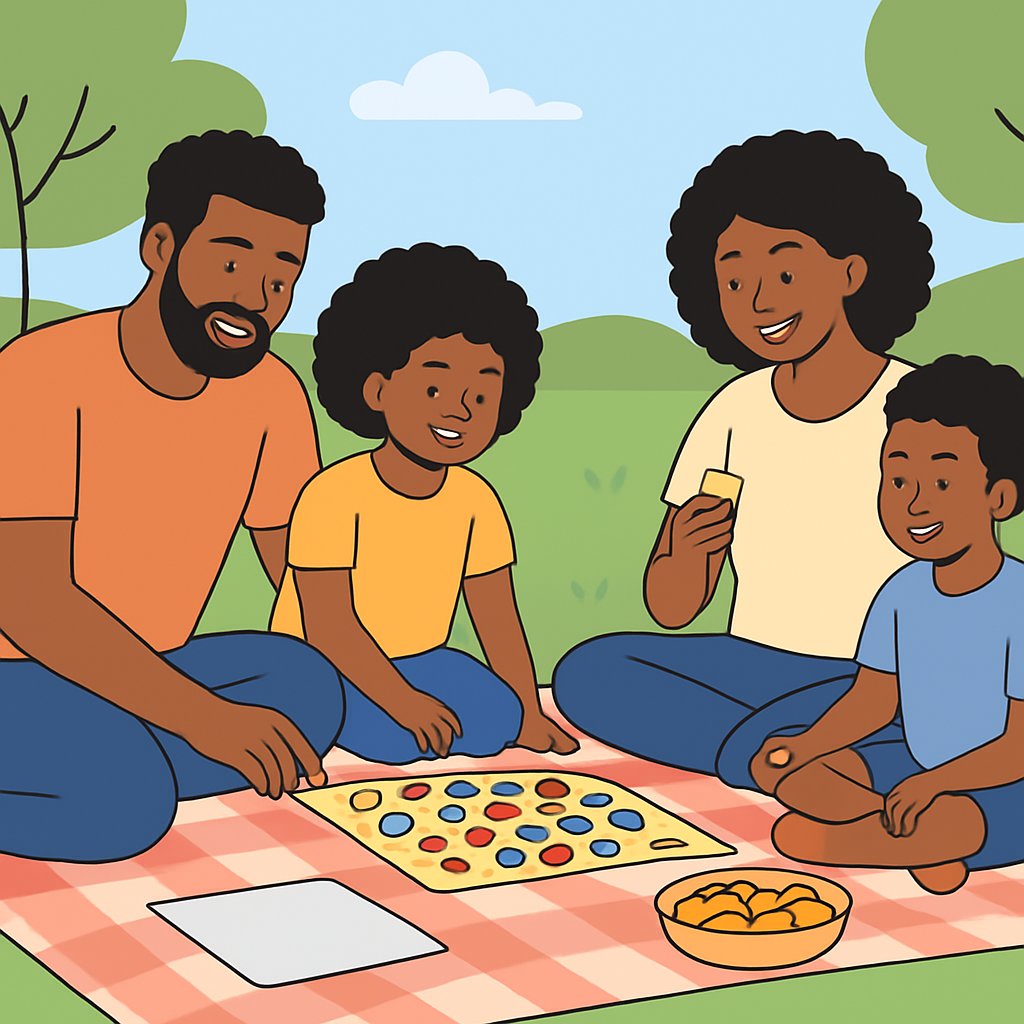
Schedule Regular Family Game Nights with a Mix of Board and Interactive Games
Creating a Consistent Family Tradition
Setting aside a fixed day each week encourages everyone to participate.
Regularity builds anticipation and helps establish a fun habit.
It also strengthens family bonds through shared experiences.
Choosing a Balanced Mix of Games
Incorporate Classic Board Games
Board games like Ticket to Ride engage strategic thinking and cooperation.
Settlers of Catan offers hours of entertainment and friendly competition.
Include Interactive and Active Games
Active games like charades encourage creativity and laughter.
Pictionary keeps the energy lively and involves physical movement.
Planning for Different Age Groups
Select games that accommodate varying ages and skill levels.
Adults might enjoy Scrabble while children prefer simpler card games.
Including everyone ensures a positive and inclusive atmosphere.
Enhancing the Game Night Experience
Create a cozy environment with comfortable seating and good lighting.
Offer snacks and drinks to make the evening feel special and welcoming.
Encourage friendly conversations and praise good sportsmanship.
Establish Traditions for Lasting Family Memories
Creating Movie Marathons
Choose movies that everyone enjoys to watch together on weekends.
Set a cozy space with blankets and snacks to enhance the experience.
Rotate the movie selection among family members to keep it fair and fun.
For example, the Martinez family loves watching classic adventure films every Saturday.
This activity helps create anticipation and shared excitement throughout the week.
Additionally, movie marathons encourage relaxed bonding and conversation afterward.
Organizing Storytelling Evenings
Designate an evening where family members share stories from their day or memories.
This practice builds connection through open communication and active listening.
Use prompts like “My favorite childhood memory” or “A proud moment from this week.”
The Thompson family finds joy in sharing both funny and meaningful tales regularly.
Consequently, storytelling strengthens empathy and understanding among relatives.
Make it special by adding a campfire theme or using flashlights for ambiance.
Incorporating Other Traditions
Try rotating weekend activities such as game nights, cooking new recipes, or nature hikes.
These varied traditions keep family time fresh and engaging.
For instance, Elena’s family enjoys Saturday morning pancake making followed by board games.
Similarly, the Chen family schedules monthly park picnics to enjoy the outdoors together.
By consistently practicing traditions, families build lasting memories and stronger bonds.
Visit Local Cultural or Educational Spots to Combine Fun with Learning
Explore Museums for Interactive Learning
Local museums offer engaging exhibits that captivate both children and adults.
Families can enjoy hands-on activities that make history and science come alive.
Visiting a museum fosters curiosity and encourages children to ask thoughtful questions.
Moreover, many museums provide special family programs on weekends to enhance the experience.
For example, the Greenfield Science Center hosts interactive workshops that inspire young minds.
Discover Historical Sites Together
Historical sites create immersive environments to experience the past first-hand.
Walking tours at places like Oakridge Plantation reveal stories that textbooks rarely tell.
These visits build a deeper appreciation for cultural heritage and local traditions.
Additionally, guided tours often include engaging storytelling tailored for families.
Therefore, planning a trip to a historical landmark combines education with quality family bonding.
Visit Botanical Gardens to Learn About Nature
Botanical gardens showcase diverse plant species in beautiful outdoor settings.
Children can explore nature trails and learn about flora and fauna through observation.
Such visits promote environmental awareness and healthy outdoor activity.
Often, gardens like Rosewood Botanical Garden have family-friendly scavenger hunts and workshops.
Consequently, these experiences teach children the importance of conservation while having fun.
Plan Educational Workshops and Events
Community centers and libraries frequently organize workshops geared toward families.
These sessions can cover topics like art, science experiments, or cultural crafts.
Participating in workshops encourages teamwork and creative problem-solving skills.
For instance, the Maplewood Library hosts weekend storytelling hours and DIY craft classes.
Engaging in educational events offers a meaningful way to spend weekend family time.
Encouraging Reflection and Sharing of Weekend Highlights
Creating a Moment for Family Reflection
Set aside time every weekend for the family to reflect together.
Choose a comfortable spot where everyone feels relaxed.
This practice allows family members to slow down and appreciate shared experiences.
By doing so, you foster stronger emotional connections.
Moreover, reflection helps everyone recognize meaningful moments.
Ways to Share Weekend Highlights
Encourage each family member to share their favorite part of the weekend.
This can be done around the dinner table or during a cozy evening chat.
Invite children like Lucas or Emma to express what they enjoyed most.
Parents such as Marcus and Elena can also share their memorable moments.
This exchange builds empathy and understanding within the family.
Using Tools to Capture Memories
Consider keeping a shared family journal to jot down weekend highlights.
Digital photo albums or voice recordings also work well for capturing moments.
These tools create lasting records that family members can revisit anytime.
Additionally, they encourage creativity and participation from all ages.
For example, the Bennett family enjoys creating a photo collage each weekend.
Benefits of Reflecting and Sharing
This practice strengthens family bonds over time.
Children develop communication skills and emotional awareness.
Parents gain insights into their children’s interests and feelings.
Furthermore, these moments become cherished memories to look back on.
Ultimately, the family grows closer and builds a positive weekend tradition.
Additional Resources
Weekend Activities for Kids – Miracle Recreation
Types of Law – 21 Fields of Law Explained | Different Areas of Law


