




Balanced Lunchbox Components
Start with an energy-giving food to support an active school day.
Next, add a protein food to make the lunchbox more balanced.
Also, include vegetables alongside the energy-giving food and protein.
Then, add fruit for another nourishing choice.
Finally, pack water to complete the lunchbox.
Essential Food Groups
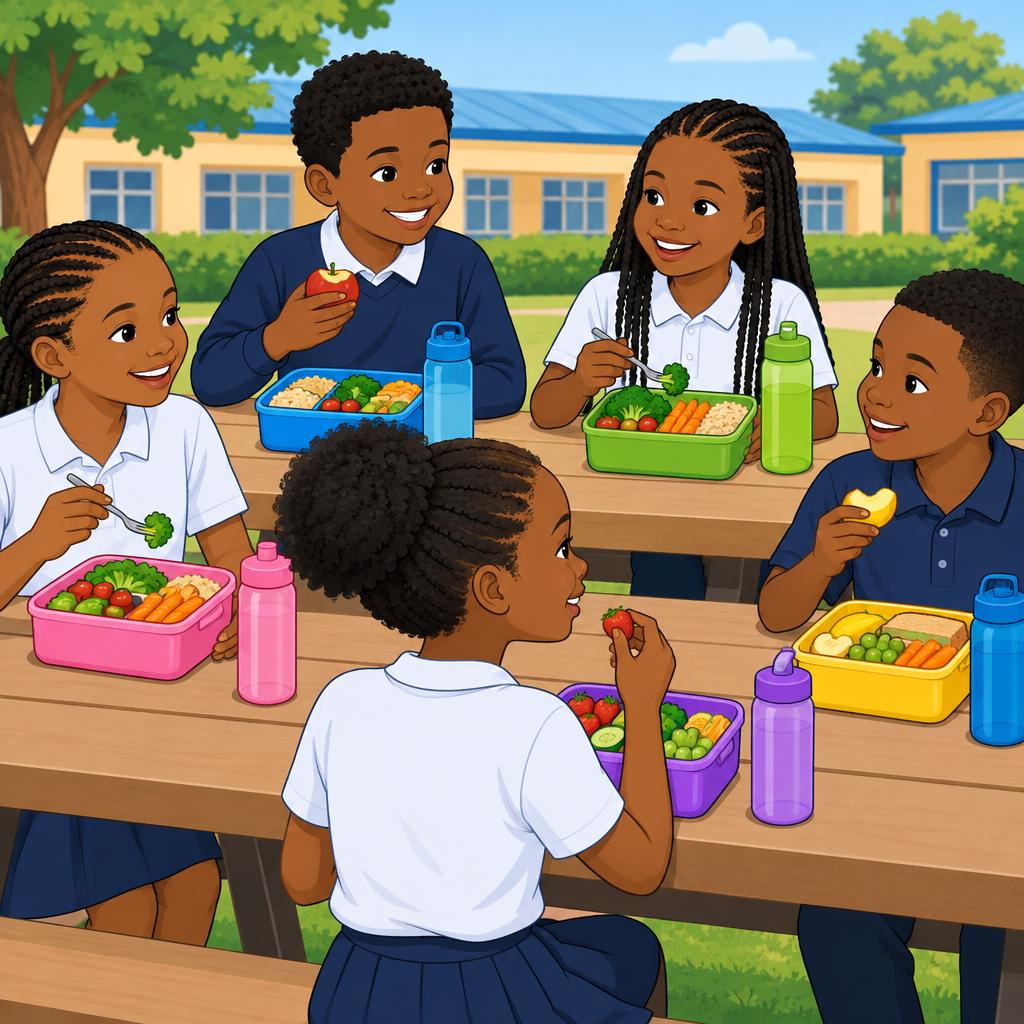
A balanced lunchbox brings energy-giving foods, protein, vegetables, fruit, and water together.
Each food group contributes a useful part of the lunchbox.
Therefore, plan the lunchbox around all the listed food groups.
Variety in Lunch Choices
Vary the food choices while keeping every essential group included.
This approach keeps lunch planning simple and balanced.
As a result, children receive different choices within a balanced lunchbox.
Water as a Lunchbox Component
Pack water with the meal instead of treating it as an extra.
Consequently, children have a complete lunchbox with food and water.
This practice completes the lunchbox with an essential drink.
Affordable Lunches Based on Accessible Ingredients
Start by planning lunches around local ingredients that families can access easily.
Parenting Made Just for You
Get personalized Parenting Solutions tailored to your child’s needs. Transform your parenting journey with expert guidance in 1-3 days.
Get StartedChoose ingredients that fit the available household budget.
Then, build several lunch options around those ingredients.
This approach keeps planning practical and supports affordable choices.
Ingredient Organisation for Lunch Planning
First, review the ingredients already available at home.
Next, identify accessible ingredients that can support several lunch preparations.
Consider availability, cost, and preparation needs before choosing lunch ingredients.
Therefore, families can reduce unnecessary purchases during lunch planning.
Flexible Lunch Plans for Changing Availability
Prepare a simple plan that allows ingredient changes when availability changes.
Use the same accessible ingredients in different lunch combinations.
However, vary the combinations to keep school lunches interesting.
Plan enough options to avoid depending on one specific ingredient.
Additionally, involve children when selecting suitable lunch combinations.
Reducing Unnecessary Packaged Foods
Plan lunches that rely less on packaged foods whenever possible.
Packaged foods can add unnecessary costs to regular lunch planning.
Unveil the Perfect Name that Tells Your Family's Story
Let us help you find a name that embodies your family's values, traditions, and dreams. Our personalized consultation weaves cultural insights to create a name that's uniquely yours.
Get StartedInstead, prioritise accessible ingredients that families can prepare directly.
This choice can make lunch planning more intentional and affordable.
Reviewing Packaged Food Choices
Check whether each packaged item serves a necessary purpose.
Remove items that families include only through habit.
Then, replace unnecessary packaged choices with accessible prepared ingredients.
Keep the lunch plan simple enough for regular preparation.
Practical Lunch Preparation Routines
Plan preparation around the time and ingredients available at home.
Prepare suitable ingredients together when the routine allows.
Store planned portions safely until packing time.
Also, keep the routine flexible when household schedules change.
With consistent planning, families can manage school lunches more efficiently.
Sustainable Lunch Planning
Choose lunch ideas that families can repeat without creating unnecessary pressure.
Review the plan regularly and adjust it according to ingredient access.
Encourage children to share which planned options they prefer.
Finally, use their feedback to guide future lunch planning.
Quick Lunch Preparation Ideas
Busy parents can simplify school lunch preparation by choosing meals that require fewer morning steps.
First, separate preparation tasks between the evening and morning.
Then, assemble the lunch in a clean, suitable container before school.
Preparing Main Meals Ahead
Prepare a main meal ahead when your schedule allows.
Next, place the meal in a covered container after preparation.
Keep the container ready for morning assembly.
Meanwhile, prepare separate additions that accompany the main meal.
This approach reduces morning preparation without creating a complicated lunch routine.
Assembling Lunches in the Morning
Morning assembly works well when the main components remain ready.
Start by placing the prepared main item inside the lunch container.
Next, add the remaining prepared items in separate sections.
Finally, include water and close the container securely.
However, avoid adding items that could make other foods soggy.
Using Simple Lunch Formats
Choose a format that matches your available preparation time.
These options help parents vary lunches without creating elaborate recipes.
- Prepared main meal with separate additions
- Ready-to-eat items assembled into one container
- Previously prepared portions packed for school
- Simple morning combinations using prepared components
Creating a Preparation Routine
Set aside a regular time for preparing foods that keep well until morning.
Next, organize containers and serving items in one convenient place.
Labeling containers can help parents identify each child’s lunch.
Additionally, check the lunch before leaving to prevent forgotten items.
Keep the routine flexible when family schedules change.
Making Morning Assembly Easier
Place prepared components where you can reach them quickly.
Use containers that children can open and close easily.
Pack foods in a way that keeps each item organized.
Furthermore, involve children in simple packing tasks when appropriate.
They can help choose between already prepared options.
However, parents should check the final lunch before departure.
Varying Lunches Without Extra Work
Change the arrangement of familiar components instead of preparing entirely new meals.
For example, serve prepared items separately on one day.
Then, combine suitable items in another lunch.
This method adds variety while keeping preparation manageable.
Finally, record combinations that fit the family’s schedule and preferences.
Delve into the Subject: How To Keep Your Child Strong During School Term
Make Healthy Lunches More Appealing
Start with foods your child already accepts.
Then, introduce one nutritious addition gradually.
This approach makes unfamiliar foods feel less overwhelming during lunchtime.
Pair Familiar Foods With New Choices
Combine a familiar lunch item with a small portion of nutritious food.
For example, serve an accepted staple alongside a new protein-rich food.
Alternatively, pair a familiar food with a small serving of vegetables or fruit.
Keep the familiar item present while your child explores the new choice.
Build Simple Lunch Combinations
Create combinations that include different colours, textures, and flavours.
Pair a soft food with a crunchy food to make lunch more interesting.
Likewise, combine a familiar flavour with a gently introduced flavour.
Keep each combination simple so your child can identify the foods easily.
Introduce Foods Gradually
Offer one new food at a time within a familiar lunch.
Then, repeat the new food in different combinations when appropriate.
Avoid changing every lunch item at once.
Children may reject meals that contain too many unfamiliar foods.
Instead, adjust one element while keeping the rest of lunch familiar.
Give Children Gentle Choices
Offer two nutritious lunch combinations and let your child choose one.
This choice can make children feel more involved in selecting lunch.
However, keep both options within the healthy choices you want to encourage.
Also, invite your child to choose between different textures or food colours.
Keep Presentation Friendly
Arrange lunch items separately when mixed foods discourage your child.
Use manageable portions that look inviting and easy to eat.
Additionally, keep the lunchbox organised so each food remains visible.
Encourage tasting without pressuring your child to finish every new food.
Refresh Familiar Combinations
Rotate nutritious additions while keeping one accepted food in each lunch.
Therefore, your child can experience variety without facing an entirely unfamiliar meal.
Notice which combinations your child accepts.
Use those combinations as starting points for future lunches.
Gradually, include more nutritious choices as your child becomes comfortable with variety.
Find Out More: How To Build Better Eating Habits Before School Starts
Planning Age-Appropriate Lunch Portions
Plan lunch portions according to each child’s age, appetite, school hours, and activity level.
As children grow, adjust portions to match their changing needs.
Offer manageable portions first, then let children request additional food.
Adjust Portions for Age
Younger children may need smaller portions that match their eating abilities.
Meanwhile, older children may require larger portions as their appetites increase.
Therefore, review portion sizes as children grow and their needs change.
Allow children to request more food after finishing their initial portions.
Follow Appetite Signals
Observe how much food your child usually eats during school hours.
Use that pattern to guide the amount packed for lunch.
However, avoid forcing children to finish every item in their lunchboxes.
Instead, encourage children to notice when they feel hungry or satisfied.
Because appetite varies between school days, review portions regularly.
Consider School Hours
Match the lunch portion to the length of the school day.
Longer school hours may require a more substantial lunch portion.
Conversely, shorter school hours may call for a smaller portion.
Also, consider whether the child eats other food during school hours.
This approach helps you avoid packing too little or too much food.
Match Portions to Activity
Consider the child’s activity level when planning the lunch portion.
Children with higher activity levels may need more food during school hours.
In contrast, children with lower activity levels may prefer smaller portions.
Therefore, adjust the amount as daily activity changes.
Review the portion after particularly active or less active school days.
Review and Adjust Regularly
Ask children whether the portion felt sufficient without pressuring their response.
Notice uneaten food and repeated requests for additional food.
Then, use these observations to refine future lunch portions.
Keep portions flexible because appetite, school hours, and activity levels can change.
See Related Content: What To Pack In A Healthy Nigerian School Bag
Build Variety Through a Rotating Weekly Menu
A rotating weekly menu keeps lunchboxes interesting.
It reduces the need for completely different planning each day.
Moreover, rotation encourages children to experience varied textures, colours, flavours, and food groups.
Plan Daily Variety
Assign each school day a different combination of textures, colours, flavours, and food groups.
For example, alternate soft, firm, crunchy, and smooth textures throughout the week.
Also, vary mild, savoury, sweet, and naturally rich flavours across different lunchboxes.
Use colourful combinations to make each lunchbox look different and inviting.
Rotate Food Groups
Include different food groups across the weekly menu instead of repeating the same combination daily.
Therefore, review the menu before shopping and identify repeated ingredients or food groups.
Then, adjust the rotation to create greater variety across the school week.
This approach creates a more interesting lunchbox routine for children.
Change Textures and Colours
Texture changes can make familiar lunch combinations feel new.
Pair contrasting textures when suitable, such as soft foods with firmer or crisp foods.
Similarly, combine different colours to create visual interest inside the lunchbox.
However, keep the arrangement simple enough for children to recognise and handle easily.
Refresh Flavours Gradually
Rotate flavours gradually so children can explore variety without facing too many changes at once.
Begin with familiar flavours, then introduce a different flavour in another part of the lunchbox.
Additionally, repeat successful combinations occasionally while changing one element.
This method maintains familiarity while encouraging children to try varied foods.
Review the Weekly Pattern
At the end of each week, review which combinations your child accepted or avoided.
Notice preferences for textures, colours, flavours, and food groups.
Next, use those observations to adjust the following week’s rotation.
Keep the menu flexible because appetite and preferences may change from day to day.
Discover More: How To Avoid Sickness When Your Child Starts School
Pack School Lunches Safely
Safe packing protects a child’s lunch from dirt, spills, and unnecessary handling.
First, clean your hands before preparing or packing the lunch.
Also, clean the preparation surface and lunch containers before use.
Clean Preparation Practices
Keep the lunch covered after packing to maintain cleanliness.
Additionally, avoid touching packed food unnecessarily.
Clean preparation helps protect food before the child leaves for school.
Suitable Lunch Containers
Use clean containers that fit the lunch portions comfortably.
Choose containers with secure lids to help protect the food.
Ensure each container closes properly before placing it inside the school bag.
However, avoid overcrowding containers because crowded food may press against the lid.
Preventing Lunchbox Spills
Pack liquid foods only in containers that close securely.
Place each container upright inside the lunch bag.
Next, check every lid before the child leaves for school.
Keep foods with sauces or liquids separate from dry foods when possible.
Therefore, careful packing can reduce leaks and keep the lunchbox cleaner.
Careful Handling Before School
Pack the lunch shortly before the child leaves for school.
Keep the packed lunch closed until the child is ready to eat.
Place the lunchbox where it will remain secure before departure.
Furthermore, remind the child to close each container after eating.
Finally, clean the containers after use before preparing another school lunch.
Adapt Lunches for Individual Needs
Keep lunch balanced while adapting ingredients to each child’s needs.
Review the complete lunch before making individual changes.
Match each adjustment to the child’s dietary guidance, preferences, and routine.
Manage Food Allergies Carefully
First, identify the foods the child must avoid.
Then, remove those foods from every lunch component.
Check ingredient information carefully before adding packaged items.
Also, prevent contact between excluded foods and the rest of the lunch.
Follow the child’s dietary guidance when choosing suitable replacements.
Finally, inform the responsible school adult about the child’s restrictions.
Respect Dietary Restrictions
Dietary restrictions may require changes to familiar lunch ingredients.
Replace restricted items with acceptable foods that provide a similar nutritional role.
For example, choose another suitable energy-giving food when one option cannot fit.
Likewise, select an acceptable protein source when a usual choice remains unsuitable.
Keep vegetables, fruit, and water included when they match the child’s requirements.
However, confirm every replacement suits the child’s specific dietary guidance.
Adjust Foods for Personal Dislikes
Personal dislikes do not require removing an entire food group.
Instead, change the food’s shape, texture, or preparation style.
Offer familiar ingredients alongside less preferred foods when appropriate.
Also, allow the child to share preferences about flavours and textures.
Gradually adjust disliked foods without pressuring the child to eat them.
Protect Nutritional Balance
When removing one ingredient, replace its role rather than leaving a gap.
Choose alternatives that maintain variety across the lunch.
Include foods from suitable categories according to the child’s needs.
Keep portions appropriate for the child’s appetite and school routine.
Therefore, review the complete lunch instead of judging one ingredient alone.
Additional Resources
Bing search results for Healthy School Lunch Ideas For Nigerian Children Child Health and Nutrition


